Showing posts with label Al Jolson. Show all posts

Friday, October 6, 2023

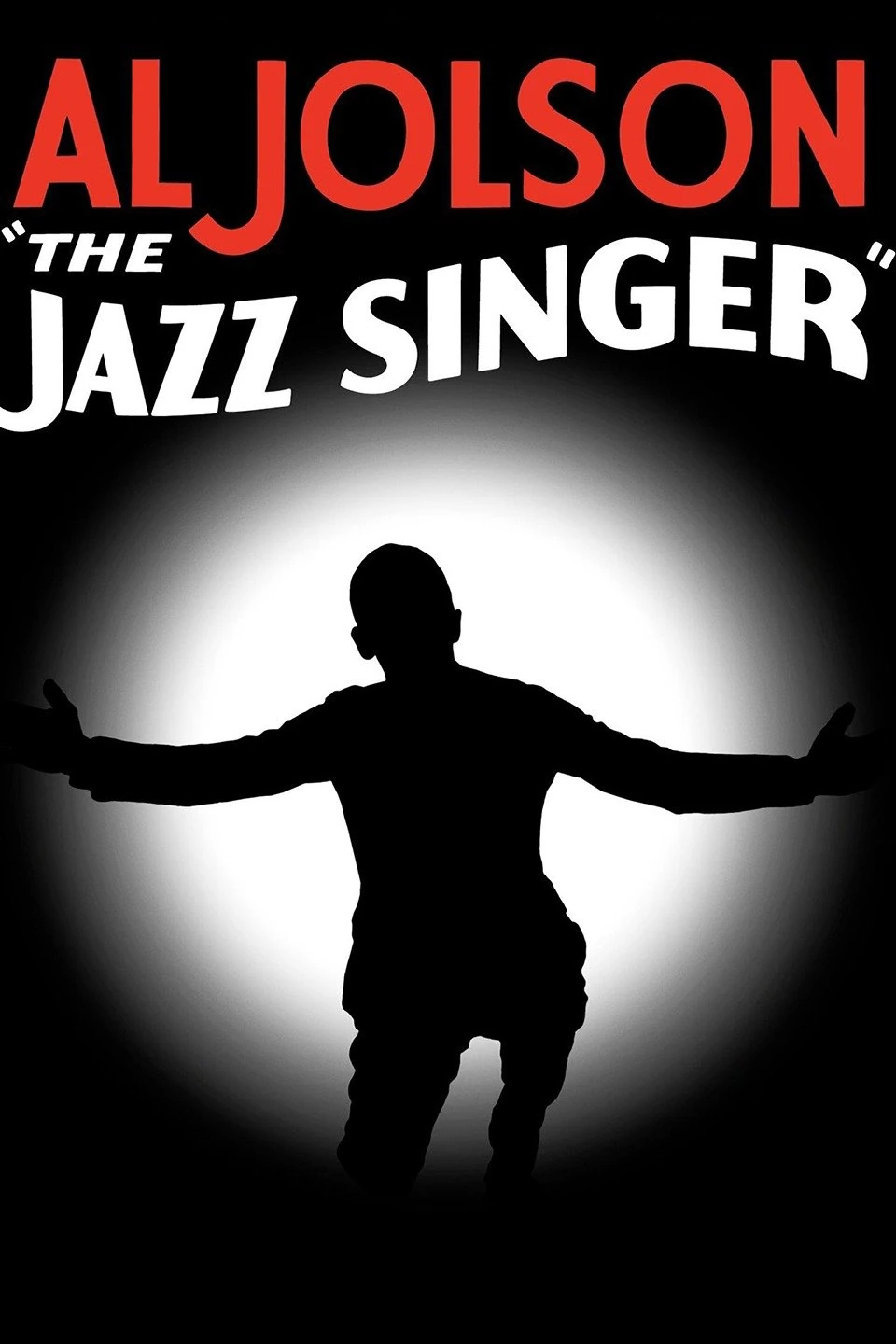
Today in Music (1927): The Jazz Singer, celebrated as the first “talkie film,” was released.

October 6, 1927

The Jazz Singer released.

The release of The Jazz Singer marked the “ascendancy of ‘talkies’ and the end of the silent-film era.” BR It was the first feature-length film with synchronized dialogue. It has been widely reported as being the first “talkie” although there had been previous films which included synchronized sound for music or sound effects. In addition, only about a fourth of the film actually featured musical numbers and conversations where the sound was synchronized to the action. BR

At the time, Warner Bros. was on the verge of going broke. Rival studios thought the company had lost their minds to make a film that featured actual singing. What if the machine broke down that controlled the synchronized sound? What about stars who looked good but might not sound so good? A year earlier, Warner Bros. made Don Juan with sound effects and it didn’t exactly set the world on fire. GN However, Warner Bros. would receive an honorary Oscar for producing the talking picture considered to have revolutionized the industry. BR TheGuardian.com said of The Jazz Singer’s release that “in the space of just over an hour, the silent film was dead.” GN

That singing was provided by none other than Al Jolson, “the biggest star on the American musical stage.” GN He starred as Jakie Rabinowitz who is destined to follow in his father’s footsteps as a Jewish cantor. Jakie, however, has other plans and pursues his dream of becoming a jazz singer under the name Jack Robin. One of Jolson’s early lines in the film, “You ain’t heard nothin’ yet” became sort of the rallying cry for the arrival of the talking picture.


For more important days in music history, check out the Dave’s Music Database history page.

Resources and Related Links:


First posted 10/27/2023.

Monday, October 2, 2023

Vaudeville: Top 100 Songs

Vaudeville:

Top 100 Songs

Vaudeville was a theatrical genre which emerged in France at the end of the 19th century. They were generally comedies interspersed with songs. The format was popular in the United States from the early 1880s through the early 1930s, but became more of a series of separate acts grouped together on a bill. They could be comprised of singers, dancers, comedians, one-act plays, and circus acts.

This effort to put together a list of the top vaudeville songs of all time is based on only a handful of sources (see the bottom of the page). As such, someone with actual expertise on vaudeville may quibble with songs on this list and I welcome their input and hope they can turn me on to more sources. As it is, I took the songs referenced in the sources below and listed them here based on their overall status in Dave’s Music Database.

It should be noted that the versions listed here which ever ranked highest in Dave’s Music Database although many of these songs were introduced on vaudeville by different performers than those who had hit recordings with them.

Click here to see other genre-specific song lists.

1. Arthur Collins with Bryon G. Harlan “Alexander’s Ragtime Band” (1911)
2. Al Jolson “Swanee” (1920)
3. Billy Murray & the Haydn Quartet “Take Me Out to the Ball Game” (1908)
4. Billy Murray “You’re a Grand Old Flag (aka “The Grand Old Rag”)” (1906)
5. Al Jolson “April Showers” (1922)
6. Haydn Quartet “Sweet Adeline (You’re the Flower of My Heart)” (1904)
7. Billy Murray “Give My Regards to Broadway” (1905)
8. American Quartet “Moonlight Bay” (1912)
9. Harry MacDonough with Elise Stevenson (as Miss Walton) “Shine on, Harvest Moon” (1909)
10. Billy Murray with the Haydn Quartet “By the Light of the Silvery Moon” (1910)

11. Arthur Collins “Bill Bailey, Won’t You Please Come Home” (1902)
12. Billy Murray “Meet Me in St. Louis, Louis” (1904)
13. Bryon G. Harlan “School Days (When We Were a Couple of Kids)” (1907)
14. Sophie Tucker “Some of These Days” (1911)
15. Marion Harris “After You’ve Gone” (1919)
16. Billy Murray “Yankee Doodle Boy” (1905)
17. Arthur Collins with Bryon G. Harlan “Darktown Strutters’ Ball” (1918)
18. Al Jolson “Rock-a-Bye Your Baby with a Dixie Melody” (1918)
19. American Quartet with Billy Murray “Casey Jones” (1910)
20. Bryon G. Harlan “My Gal Sal” (1907)

21. Harry MacDonough “Down by the Old Mill Stream” (1911)
22. Henry Burr “I Wonder Who’s Kissing Her Now” (1909)
23. Bryon G. Harlan “Wait Till the Sun Shines, Nellie” (1906)
24. Haydn Quartet “Put on Your Old Grey Bonnet” (1909)
25. George J. Gaskin “After the Ball” (1893)
26. Van & Schenk “For Me and My Gal” (1917)
27. Gene Austin “My Melancholy Baby” (1928)
28. Gene Austin “Bye Bye Blackbird” (1926)
29. Henry Burr (as Irving Gillette) “In the Shade of the Old Apple Tree” (1905)
30. Louis Armstrong “All of Me” (1932)

31. Billy Jones “Yes! We Have No Bananas” (1923)
32. Knickerbocker Quartet “Pack Up Your Troubles in Your Old Kit Bag and Smile, Smile, Smile” (1917)
33. Heidelberg Quintet “Waiting for the Robert E. Lee” (1912)
34. Prince’s Orchestra “Ballin’ the Jack” (1914)
35. Peerless Quartet “I Didn’t Raise My Boy to Be a Soldier” (1915)
36. Eddie Cantor “If You Knew Susie Like I Knew Susie” (1925)
37. Paul Whiteman “My Mammy” (1921)
38. Heidelberg Quintet “By the Beautiful Sea” (1914)
39. Wendell Hall “It Ain’t Gonna Rain No Mo’” (1924)
40. Charles Harrison “I’m Always Chasing Rainbows” (1918)

41. Paul Whiteman “The Japanese Sandman” (1920)
42. Victor Military Band “Poor Butterfly” (1917)
43. John Steel “A Pretty Girl Is Like a Melody” (1919)
44. Bert Williams “Nobody” (1906)
45. J.W. Myers “On a Sunday Afternoon” (1902)
46. Ada Jones with Billy Murray & the American Quartet “Come, Josephine, in My Flying Machine” (1911)
47. Henry Burr “M-O-T-H-E-R (A Word That Means the World to Me)” (1916)
48. Arthur Collins “Hello Ma Baby” (1899)
49. Henry Burr “My Buddy” (1922)
50. Elsie Baker (aka “Edna Brown”) “I Love You Truly” (1912)

51. Fanny Brice with the Rosario Bourdon Orchestra “My Man (Mon Homme)” (1922)
52. Jan Garber with Benny Davis “Baby Face” (1926)
53. Ray Miller “The Sheik of Araby” (1921)
54. Ted Lewis “All by Myself” (1921)
55. Ted Lewis “When My Baby Smiles at Me” (1920)
56. Arthur Collins & Bryon G. Harlan “Put Your Arms Around Me, Honey (I Never Knew Any Girl Like You)” (1911)
57. Paul Whiteman “Wang Wang Blues” (1920)
58. Billy Murray “Pretty Baby” (1916)
59. Ed Gallagher & Al Shean “Mr. Gallagher and Mr. Shean” (1922)
60. Fanny Brice with the Rosario Bourdon Orchestra “Second Hand Rose” (1922)

61. Arthur Collins “Under the Bamboo Tree” (1902)
62. Nora Bayes “How Ya Gonna Keep ‘Em Down on the Farm After They’ve Seen Paree?” (1919)
63. Arthur Collins & Bryon G. Harlan “Down Where the Wurzburger Flows” (1919)
64. Bob Roberts “Ragtime Cowboy Joe” (1912)
65. Charles Harrison “I’ll Be with You in Apple Blossom Time” (1920)
66. Paul Whiteman with the Rhythm Boys “Side by Side” (1927)
67. Richard Jose “Silver Threads Among the Gold” (1904)
68. Bryon G. Harlan & Frank Stanley “Blue Bell” (1904)
69. Benny Krueger “I Cried for You” (1923)
70. Prince’s Orchestra “The Memphis Blues” (1914)

71. Paul Whiteman “Parade of the Wooden Soldiers” (1923)
72. Peerless Quartet “I Want a Girl Just Like the Girl Who Married Dear Old Dad” (1911)
73. George Alexander “Mighty Like a Rose (aka “Mighty Lak a Rose”)” (1903)
74. Peerless Quartet “Way Down Yonder in New Orleans” (1922)
75. Ben Pollack & Franklyn Baur “Sweet Sue, Just You” (1928)
76. Bert Williams “Play That Barber-Shop Chord” (1910)
77. Henry Burr & Arthur Campbell “The Trail of the Lonesome Pine” (1913)
78. Paul Whiteman “Linger Awhile” (1924)
79. Harry MacDonough “The Mansion of Aching Hearts” (1902)
80. Billy Murray “Come Take a Trip in My Air Ship” (1905)

81. Len Spencer “Ta-Ra-Ra Boom-De-Ay” (1892)
82. Ada Jones “Row Row Row!” (1913)
83. Paul Whiteman with Jack Fulton “In a Little Spanish Town (‘Twas on a Night Like This)” (1927)
84. Arthur Collins “Any Rags?” (1903)
85. Harry MacDonough “Absence Makes the Heart Grow Fonder” (1901)
86. Red Nichols “Ida! Sweet As Apple Cider” (1927)
87. American Quartet “When You Wore a Tulip and I Wore a Big Red Rose” (1914)
88. Cecil Fanning “A Perfect Day” (1911)
89. Sophie Tucker “I Ain’t Got Nobody” (1927)
90. Bert Williams “He’s a Cousin of Mine” (1907)

91. Henry Burr “I’m Sorry I Made You Cry” (1918)
92. American Quartet “Chinatown, My Chinatown” (1915)
93. Frank Stanley & Elise Stevenson “Good Evening, Caroline” (1909)
94. Blossom Seely “Alabamy Bound” (1925)
95. Peerless Quartet “If I Had My Way (I’d Live Among the Gypsies)” (1914)
96. Billy Murray “Under the Anheuser Busch” (1904)
97. McKinney’s Cotton Pickers with George Thomas “If I Could Be with You One Hour Tonight” (1930)
98. Bessie Smith “Baby Won’t You Please Come Home” (1923)
99. John McCormack “Moonlight and Roses” (1925)
100. Arthur Fields “Ja Da (Ja Da, Ja Da, Jing Jing Jing)” (1919)


Resources and Related Links:

First posted 4/3/2021; last updated 10/2/2023.

Sunday, February 26, 2023

Top 100 Songs from 1910-1919

Top 100 Songs of the Decade:

1910-1919

These are the top 100 songs from the 1910s according to Dave’s Music Database. Rankings are figured by combining sales figures, chart data, radio airplay, video airplay, streaming figures, awards, and appearances on best-of lists.

Check out other “songs of the decade” lists here.

1. Arthur Collins & Bryon G. Harlan “Alexander’s Ragtime Band” (1911)
2. American Quartet “Over There” (1917)
3. Peerless Quartet “Let Me Call You Sweetheart” (1911)
4. Al Jolson “You Made Me Love You (I Didn't Want to Do It)” (1913)
5. Billy Murray with the Haydn Quartet “By the Light of the Silvery Moon” (1910)
6. American Quartet “Moonlight Bay” (1912)
7. Original Dixieland Jazz Band “Tiger Rag” (1918)
8. Sophie Tucker “Some of These Days” (1911)
9. Marion Harris “After You’ve Gone” (1919)
10. Al Jolson “Rock-a-Bye Your Baby with a Dixie Melody” (1918)

11. Henry Burr & Albert Campbell “Till We Meet Again” (1919)
12. Chauncey Olcott “When Irish Eyes Are Smiling” (1913)
13. John McCormack “It’s a Long, Long Way to Tipperary” (1915)
14. Casey Jones...American Quartet with Billy Murray (1910)
15. Down by the Old Mill Stream...Harry MacDonough (1911)
16. Darktown Strutters’ Ball...Original Dixieland Jazz Band (1918)
17. They Didn't Believe Me...Harry MacDonough with Olive Kline (1915)
18. The Knickerbocker Quartet “Pack Up Your Troubles in Your Old Kit Bag and Smile, Smile, Smile” (1917)
19. Arthur Fields “Oh, How I Hate to Get Up in the Morning” (1918)
20. Alma Gluck “Carry Me Back to Old Virginny” (1915)

21. Henry Burr “Beautiful Ohio” (1919)
22. Heidelberg Quintet “Waiting for the Robert E. Lee” (1912)
23. Victor Military Band “Poor Butterfly” (1917)
24. Arthur Collins & Bryon G. Harlan “The Aba Daba Honeymoon” (1914)
25. Charles Harrison “I’m Always Chasing Rainbows” (1918)
26. Henry Burr “Just a Baby’s Prayer at Twilight (For Her Daddy Over There)” (1918)
27. John Steel “A Pretty Girl Is Like a Melody” (1919)
28. Ben Selvin “I’m Forever Blowing Bubbles” (1919)
29. Peerless Quartet “I Didn’t Raise My Boy to Be a Soldier” (1915)
30. Heidelberg Quintet “By the Beautiful Sea” (1914)

31. Billy Murray with the American Quartet “Oh, You Beautiful Doll” (1911)
32. Henry Burr “When I Lost You” (1913)
33. George MacFarlane “A Little Bit of Heaven (“Shure, They Call It Ireland”)” (1915)
34. Elsie Baker “The Missouri Waltz (Hush-a-Bye Ma Baby)” (1917)
35. Henry Burr “M-O-T-H-E-R (A Word That Means the World to Me)” (1916)
36. Chauncey Olcott “Too-Ra-Loo-Ra-Loo-Ral (That’s an Irish Lullaby)” (1913)
37. Prince’s Orchestra “Ballin’ the Jack” (1914)
38. Elsie Baker “I Love You Truly” (1912)
39. Billy Murray & Ada Jones with American Quartet “Come, Josephine, in My Flying Machine” (1911)
40. Anna Wheaton with James Harrod “Till the Clouds Roll By” (1917)

41. Fisk University Jubilee Quartet “Swing Low, Sweet Chariot” (1910)
42. Ernestine Schumann-Heink “Danny Boy” (1918)
43. Arthur Collins & Bryon G. Harlan “Put Your Arms Around Me, Honey (I Never Knew Any Girl Like You)” (1911)
44. Irving Kaufman with the Columbia Quartet “Hail! Hail! The Gang’s All Here” (1918)
45. Bob Roberts “Ragtime Cowboy Joe” (1912)
46. Billy Murray “Pretty Baby” (1916)
47. Nora Bayes “How ‘Ya Gonna Keep 'Em Down on the Farm after They've Seen Paree?” (1919)
48. Henry Burr “Oh! What a Pal Was Mary” (1919)
49. American Quartet “Oh Johnny, Oh Johnny, Oh!” (1917)
50. Henry Burr “Meet Me Tonight in Dreamland” (1910)

51. Henry Burr “Goodbye, Good Luck, God Bless You (Is All That I Can Say)” (1916)
52. Harry MacDonough “Where the River Shannon Flows” (1910)
53. American Quartet “Goodbye Broadway, Hello France” (1917)
54. Arthur Collins & Bryon G. Harlan “When the Midnight Choo Choo Leaves for Alabam’” (1913)
55. Prince’s Orchestra “The Star Spangled Banner” (1916)
56. John McCormack “I’m Falling in Love with Someone” (1911)
57. Joseph C. Smith’s Orchestra with Harry MacDonough “Smiles” (1918)
58. James F. Harrison “Keep the Home Fires Burning” (1915)
59. Billy Murray & Ada Jones “Be My Little Baby Bumble Bee” (1912)
60. Nora Bayes with Joseph Pasternach’s Orchestra “Over There” (1917)

61. Bert Williams “Play That Barber-Shop Chord” (1910)
62. Henry Burr & Albert Campbell “The Trail of the Lonesome Pine” (1913)
63. Olive Kline with Edward Hamilton “Hello Frisco!” (1915)
64. Al Jolson “I’ll Say She Does” (1919)
65. Prince’s Orchestra “The Memphis Blues” (1914)
66. Billy Murray “K-K-K-Katy (The Stammering Song)” (1918)
67. Charles Harrison “Peg O’ My Heart” (1913)
68. Al Jolson “The Spaniard That Blighted My Life” (1913)
69. Henry Burr “Last Night Was the End of the World” (1913)
70. John McCormack “Mother Machree” (1911)

71. Henry Burr with Albert Campbell “I’m on My Way to Mandalay” (1914)
72. Peerless Quartet “Want a Girl Just Like the Girl That Married Dear Old Dad” (1911)
73. Joe Hayman “Cohen on the Telephone” (1914)
74. James F. Harrison with James Reed “There’s a Long, Long Trail” (1915)
75. Enrico Caruso “Over There” (1918)
76. Arthur Clough with the Brunswick Quartet “Down by the Old Mill Stream” (1911)
77. Al Jolson “That Haunting Melody” (1912)
78. John McCormack “Somewhere a Voice Is Calling” (1916)
79. Al Jolson “Ragging the Baby to Sleep” (1912)
80. Arthur Collins with Bryon G. Harlan “Under the Yum Yum Tree” (1911)

81. Henry Burr & Albert Campbell “When I Was Twenty-One and You Were Sweet Sixteen” (1912)
82. Ada Jones “Row! Row! Row!” (1913)
83. American Quartet “It’s a Long, Long Way to Tipperary” (1914)
84. Cecil Fanning “A Perfect Day” (1911)
85. Al Jolson “Hello Central, Give Me No Man’s Land” (1918)
86. Nicholas Orlando’s Orchestra with Harry Macdonough & Charles Hart “Till We Meet Again” (1919)
87. Van & Schenck “For Me and My Gal” (1917)
88. Alma Gluck with Efrem Zimbalist “The Old Folks at Home (Swanee River)” (1915)
89. Charles Harrison “Ireland Must Be Heaven for My Mother Came from There” (1916)
90. Arthur Collins with Bryon G. Harlan “I Love the Ladies” (1914)

91. Peerless Quartet “Over There” (1917)
92. American Quartet “Rebecca of Sunnybrook Farm” (1914)
93. American Quartet “When You Wore a Tulip and I Wore a Big Red Rose” (1915)
94. Alma Gluck “Listen to the Mocking Bird (aka “The Mocking Bird”)” (1916)
95. Billy Murray “Alexander’s Ragtime Band” (1911)
96. Harry MacDonough with Lucy Isabelle Marsh “Every Little Movement” (1910)
97. Henry Burr “I’m Sorry I Made You Cry” (1918)
98. Henry Burr with Albert Campbell “There’s a Quaker Down in Quaker Town” (1916)
99. Arthur Clough “Let Me Call You Sweetheart” (1911)
100. Charles Harrison with the Columbia Stellar Quartet “The Battle Hymn of the Republic” (1918)


Resources/Related Links:


First posted 4/4/2012; last updated 3/26/2020.

Saturday, January 28, 2023

USA: #1 Pop Songs, 1920-1929

USA’s #1 Pop Songs:

1920-1929

These are the #1 pop songs on the United States pop charts from 1920 to 1929. Songs could have hit #1 on either of these charts:

The date indicates the song’s first appearance at #1, regardless of which chart it was. The act associated with the song is then listed. The Gardner book does not indicate specific artists, so the artists identified here are those which also hit #1 on another chart, are the highest-ranked version according to Dave’s Music Database, or are spotlighted as the top version by Gardner.

Then come the letter codes indicating which charts the song topped. The number following that is the number of weeks at #1. The Gardner charts are monthly and not weekly so the #of weeks has been adjusted by multiplying the song’s number of months at #1 by 4. Meanwhile the Sharon Mawer charts are bi-weekly (dated the first and fifteenth of the month) so to reflect a more accurate depiction of how many weeks the song spent at #1, the original # was doubled.

Click here to access a full list of #1 songs from 1890 to present. See other chart-based lists here.


1920:

  1. 1/15: Elizabeth Spencer & Charles Hart “Let the Rest of the World Go By” (GA: 12, SM: 8)
  2. 1/17: Al Jolson “I’ve Got My Captain Working for Me Now” (PM: 2)
  3. 1/31: Ben Selvin “Dardanella” (PM: 13, SM: 6, GA: 4)
  4. 5/1: Ted Lewis “When My Baby Smiles at Me” (PM: 7, SM: 2)
  5. 5/1: Edith Day “Alice Blue Gown” (PM: 1)
  6. 5/8: Al Jolson “Swanee” (PM: 9, SM: 4, GA: 4)
  7. 6/15: Henry Burr “Rose of Washington Square” (GA: 4, SM: 4)
  8. 7/15: Art Hickman “Hold Me” (GA: 8, PM: 3)
  9. 9/15: John Steel “The Love Nest” (GA: 8, PM: 4, SM: 4)
  10. 9/25: Marion Harris “St. Louis Blues” (PM: 3)
  11. 10/15: Paul Whiteman’s Orchestra “Whispering” (PM: 11, SM: 10, GA: 8)
  12. 10/16: Art Hickman “The Love Nest” (PM: 2)
  13. 12/11: Paul Whiteman’s Orchestra “The Japanese Sandman” (PM: 2)

1921:

  1. 1/1: Al Jolson “Avalon” (GA: 4, SM: 2)
  2. 1/29: Paul Whiteman’s Orchestra “Wang Wang Blues” (PM: 6)
  3. 2/1: Gene Rodemich “Margie” (GA: 8, SM: 8)
  4. 2/28: Eddie Cantor “Margie” (GA: 8, PM: 5)
  5. 2/28: Al Jolson “Yoo-Hoo” (GA: 4)
  6. 4/1: Paul Whiteman’s Orchestra “Bright Eyes” (SM: 6, GA: 4)
  7. 4/16: Al Jolson “O-H-I-O (O-My! O!)” (PM: 4)
  8. 5/14: Marion Harris “Look for the Silver Lining” (PM: 3)
  9. 5/15: Paul Whiteman’s Orchestra “My Mammy” (GA: 8, SM: 6, PM: 5)
  10. 7/1: Van & Schenck “Ain’t We Got Fun?” (SM: 6, GA: 4, PM: 2)
  11. 7/8: Nora Bayes “Make Believe” (PM: 3)
  12. 7/30: Paul Whiteman’s Orchestra “Cherie” (PM: 6)
  13. 8/15: Ted Lewis “All by Myself” (SM: 10, GA: 8, PM: 4)
  14. 8/31: Billy Jones as Victor Roberts “Peggy O’Neil” (GA: 1)
  15. 9/24: Paul Whiteman’s Orchestra “Song of India” (PM: 5)
  16. 11/1: Ted Lewis “Ma, He’s Making Eyes at Me” (GA: 4, SM: 4)
  17. 11/26: Paul Whiteman’s Orchestra “Say It with Music” (GA: 8, SM: 6, PM: 5)
  18. 12/31: Isham Jones “Wabash Blues” (PM: 6, SM: 2)

1922:

  1. 2/1: Al Jolson “April Showers” (PM: 11, SM: 2)
  2. 2/15: Ray Miller “The Sheik of Araby” (SM: 8, GA: 4)
  3. 3/25: Fanny Brice “My Man” (PM: 1)
  4. 4/15: Ray Miller “On the Gin-Gin-Ginny Shore” (GA: 4, SM: 2)
  5. 5/1: Al Jolson “Angel Child” (PM: 5, GA: 4, SM: 4)
  6. 6/1: Paul Whiteman’s Orchestra “Three O’Clock in the Morning” (SM: 14, GA: 12, PM: 8)
  7. 6/10: Isham Jones “On the Alamo” (PM: 4)
  8. 7/1: Paul Whiteman’s Orchestra “Stumbling” (SM: 8, GA: 8, PM: 6)
  9. 7/8: Paul Whiteman’s Orchestra “Do It Again” (PM: 2)
  10. 9/2: Ernest Hare & Billy Jones “Mr. Gallagher & Mr. Shean” (GA: 8, PM: 2)
  11. 9/16: Paul Whiteman’s Orchestra “Hot Lips” (PM: 6)
  12. 10/28: Gallagher & Shean “Mr. Gallagher & Mr. Shean” (GA: 8, PM: 6, SM: 4)
  13. 12/9: Henry Burr “My Buddy” (SM: 2, PM: 1)

1923:

  1. 1/1: Van & Schenck “Carolina in the Morning” (GA: 8, SM: 8, PM: 3)
  2. 1/6: Paul Whiteman’s Orchestra “I’ll Build a Stairway to Paradise” (PM: 1)
  3. 1/13: Al Jolson “Toot Toot Tootsie (Goo’bye)” (PM: 4)
  4. 3/1: Nora Bayes “Lovin’ Sam, the Sheik of Alabam’” (SM: 2)
  5. 3/15: Paul Specht “When Hearts Are Young” (GA: 4, SM: 2)
  6. 4/1: Marion Harris “Aggravatin’ Papa” (GA: 4, SM: 4)
  7. 4/7: Paul Whiteman’s Orchestra “Parade of the Wooden Soldiers” (PM: 7)
  8. 5/1: Sophie Tucker “You’ve Got to See Mama Ev’ry Night or You Can’t See Mama at All” (GA: 4, SM: 2)
  9. 5/15: Paul Whiteman’s Orchestra “Bambalina” (SM: 2, PM: 1)
  10. 5/26: Carl Fenton “Love Sends a Little Gift of Roses” (PM: 3)
  11. 6/1: Isham Jones “Who’s Sorry Now” (GA: 4, SM: 4)
  12. 6/23: Art Landry “Dreamy Melody” (PM: 3)
  13. 7/1: Billy Jones “Yes! We Have No Bananas” (SM: 10, GA: 8, PM: 5)
  14. 7/14: Bessie Smith “Down Hearted Blues” (PM: 4)
  15. 7/31: Ben Selvin “Yes! We Have No Bananas” (GA: 8, PM: 2)
  16. 8/11: Isham Jones “Swingin’ Down the Lane” (PM: 6)
  17. 9/15: Henry Burr “Just a Girl That Men Forget” (GA: 4, SM: 2)
  18. 10/1: Billy Murray & Ed Smalle “That Old Gang of Mine” (GA: 8, SM: 8, PM: 6)
  19. 12/1: Paul Whiteman’s Orchestra “I Love You” (SM: 10, GA: 8)
  20. 12/22: Eddie Cantor “No, No, Nora” (PM: 2)

1924:

  1. 1/5: Fred Waring’s Pennsylvanians “Sleep” (PM: 5)
  2. 1/26: Arthur Gibbs “Charleston” (PM: 1)
  3. 2/15: Paul Whiteman’s Orchestra “Linger Awhile” (GA: 8, SM: 6, PM: 4)
  4. 2/16: Wendell Hall “It Ain’t Gonna Rain No Mo’” (GA: 8, PM: 6, SM: 4)
  5. 3/29: Ted Weems “Somebody Stole My Gal” (PM: 5)
  6. 4/1: Al Jolson “California, Here I Come!” (PM: 6, SM: 6, GA: 4)
  7. 6/15: Paul Whiteman’s Orchestra “What’ll I Do?” (SM: 16, GA: 12, PM: 5)
  8. 7/19: Isham Jones “Spain” (PM: 2)
  9. 9/6: Isham Jones “It Had to Be You” (PM: 5)
  10. 10/11: Fred Waring’s Pennsylvanians “Memory Lane” (PM: 5)
  11. 10/15: International Novelty Orchestra with Billy Murray “Charley, My Boy” (GA: 4, SM: 4)
  12. 11/15: Al Jolson “I Wonder What’s Become of Sally?” (GA: 12, SM: 8, PM: 3)
  13. 12/6: Paul Whiteman’s Orchestra “Somebody Loves Me” (PM: 5)

1925:

  1. 1/10: Al Jolson “All Alone” (SM: 12, GA: 8, PM: 5)
  2. 2/7: Paul Whiteman’s Orchestra “All Alone” (PM: 3)
  3. 2/28: Marion Harris “Tea for Two” (PM: 3)
  4. 3/21: Johm McCormack “All Alone” (PM: 2)
  5. 4/4: Isham Jones with Ray Miller’s Orchestra “I’ll See You in My Dreams” (PM: 7, GA: 4, SM: 4)
  6. 5/15: Blossom Seeley “Alabamy Bound” (GA: 4, SM: 2)
  7. 5/23: Ted Lewis “O! Katharina” (PM: 1)
  8. 5/30: Vernon Dalhart “The Prisoner’s Song” (PM: 12, GA: 8, SM: 8)
  9. 6/15: Gene Austin “Yearning Just for You” (GA: 4, SM: 4)
  10. 7/4: Ben Bernie “Sweet Georgia Brown” (PM: 5)
  11. 7/15: Eddie Cantor “If You Knew Susie” (GA: 8, PM: 5, SM: 4)
  12. 8/15: Fred Waring “Collegiate” (GA: 4, SM: 4)
  13. 9/12: Gene Austin with Billy Carpenter “Yes Sir! That’s My Baby” (SM: 8, PM: 7, GA: 4)
  14. 10/31: Ben Selvin “Oh, How I Miss You Tonight” (PM: 3)
  15. 11/15: Isham Jones “Remember” (SM: 6, GA: 4, PM: 1)
  16. 11/21: Ben Selvin “Manhattan” (PM: 4)
  17. 11/30: John McCormack “Moonlight and Roses Bring Mem’ries of You” (GA: 1)

1926:

  1. 2/13: George Olsen “Who?” (PM: 6)
  2. 3/15: Cliff Edwards “Dinah” (SM: 2)
  3. 3/27: Ben Bernie “Sleepy Time Gal” (PM: 4)
  4. 4/17: Al Jolson “I’m Sitting on Top of the World” (PM: 2)
  5. 4/30: George Olsen with Fran Frey, Bob Rice, & Edward Joyce “Always” (GA: 12, SM: 10, PM: 3)
  6. 4/30: Vincent Lopez “Always” (GA: 12, PM: 2)
  7. 5/22: Gene Austin “Five Foot Two, Eyes of Blue” (PM: 1)
  8. 6/15: Gene Austin with Fran Frey “Horses” (SM: 4)
  9. 6/19: “Whispering” Jack Smith “Gimme a Lil’ Kiss, Will Ya, Huh?” (PM: 2)
  10. 7/3: Paul Whiteman’s Orchestra with Franklyn Baur “Valencia (A Song of Spain)” (PM: 11, GA: 8, SM: 4)
  11. 7/31: Al Jolson “I’d Climb the Highest Mountain if I Knew I’d Find You” (GA: 4)
  12. 9/4: Gene Austin “Bye Bye, Blackbird” (GA: 4, SM: 4, PM: 3)
  13. 10/2: Al Jolson “When the Red, Red Robin Comes Bob-Bob-Bobbin’ Along” (PM: 2)
  14. 10/15: Jan Garber with Benny Davis “Baby Face” (PM: 6, SM: 6, GA: 4)
  15. 11/27: Johnny Marvin “Breezin’ Along with the Breeze” (PM: 2)
  16. 12/1: Johnny Hamp “Black Bottom” (SM: 2)
  17. 12/11: Paul Whiteman’s Orchestra “The Birth of the Blues” (PM: 4)
  18. 12/15: Henry Burr “Because I Love You” (GA: 4, SM: 2)

1927:

  1. 1/1: Paul Whiteman’s Orchestra with Jack Fulton “In a Little Spanish Town” (SM: 10, GA: 8, PM: 8)
  2. 3/5: Sophie Tucker with Ted Lewis “Some of These Days” (PM: 5)
  3. 3/15: Ben Selvin “Blue Skies” (GA: 8, SM: 6, PM: 2)
  4. 4/9: Gene Austin “Tonight You Belong to Me” (PM: 3)
  5. 5/1: Paul Whiteman’s Orchestra “It All Depends on You” (GA: 4, SM: 4)
  6. 5/14: Ben Bernie “Ain’t She Sweet?” (PM: 4)
  7. 6/1: Nick Lucas “I’m Looking Over a Four-Leaf Clover” (GA: 4, SM: 4)
  8. 6/11: George Olsen “At Sundown (When Love Is Calling Me Home)” (PM: 3)
  9. 7/1: Roger Wolfe Kahn “Russian Lullaby” (GA: 4, SM: 4, PM: 3)
  10. 7/2: Moran & Mack “Two Black Crows – Parts 1 & 2 (The Early Bird Catches the Worm)” (PM: 5)
  11. 8/1: “Whispering” Jack Smith “Me and My Shadow” (GA: 4, PM: 4, SM: 4)
  12. 8/6: Gene Austin “Forgive Me” (PM: 1)
  13. 9/1: Guy Lombardo “Charmaine!” (SM: 10, GA: 8, PM: 7)
  14. 11/15: Ben Selvin “Miss Annabelle Lee (Who’s Wonderful, Who’s Marvelous)” (GA: 4, SM: 2)
  15. 11/19: Paul Whiteman’s Orchestra “My Blue Heaven” (PM: 1)
  16. 11/26: Red Nichols “Ida, Sweet As Apple Cider” (PM: 3)
  17. 12/1: Paul Whiteman’s Orchestra “Just a Memory” (GA: 4, SM: 4)
  18. 12/17: Gene Austin “My Blue Heaven” (PM: 13, GA: 8, SM: 8)

1928:

  1. 3/1: Paul Whiteman’s Orchestra “Among My Souvenirs” (SM: 6, GA: 4, PM: 4)
  2. 4/14: Paul Whiteman’s Orchestra “Together” (GA: 4, PM: 2, SM: 2)
  3. 4/28: Paul Whiteman’s Orchestra “Ol’ Man River” (PM: 1)
  4. 5/1: Gene Austin “Ramona” (GA: 12, SM: 12, PM: 8)
  5. 5/5: Paul Whiteman’s Orchestra “Ramona” (GA: 12, PM: 3)
  6. 7/21: Fred Waring’s Pennsylvanians “Laugh, Clown, Laugh!” (PM: 1)
  7. 7/28: Paul Whiteman’s Orchestra “My Angel (Angela Mia)” (GA: 8, PM: 6)
  8. 8/1: Vincent Lopez “My Angel (Angela Mia)” (GA: 8, SM: 8)
  9. 9/8: Gene Austin “Jeannine (I Dream of Lilac Time)” (GA: 8, SM: 6, PM: 5)
  10. 10/13: Cliff Edwards as Ukelele Ike “I Can’t Give You Anything But Love” (PM: 1)
  11. 10/20: Al Jolson “Sonny Boy” (PM: 12, GA: 8, SM: 8)
  12. 12/1: Al Jolson “There’s a Rainbow Round My Shoulder” (PM: 2)

1929:

  1. 1/15: Ben Selvin with Jack Palmer “You’re the Cream in My Coffee” (SM: 2)
  2. 1/26: Guy Lombardo with Carmen Lombardo “Sweethearts on Parade” (GA: 4, SM: 4, PM: 3)
  3. 2/16: Gene Austin “Carolina Moon” (PM: 7, GA: 4, SM: 4)
  4. 3/1: Ruth Etting “I’ll Get by As Long As I Have You” (SM: 2)
  5. 3/23: George Olsen with Ethel Sutta “A Precious Little Thing Called Love” (PM: 2, SM: 4)
  6. 4/15: Rudy Vallee “Weary River” (GA: 4, SM: 2)
  7. 4/20: Rudy Vallee “Honey” (PM: 8, SM: 2)
  8. 5/31: Leo Reisman “The Wedding of the Painted Doll” (GA: 8, PM: 4, SM: 4)
  9. 7/1: Bob Haring with the Copley Plaza Orchestra “Pagan Love Song” (GA: 8, SM: 8, PM: 4)
  10. 8/10: Cliff Edwards as Ukelele Ike “Singin’ in the Rain” (PM: 3)
  11. 8/31: Al Jolson “Little Pal” (PM: 5)
  12. 9/1: Ethel Waters “Am I Blue?” (GA: 8, SM: 6, PM: 2)
  13. 10/15: Nick Lucas “Tip Toe Through the Tulips” (SM: 12, PM: 10, GA: 8)
  14. 12/28: Paul Whiteman’s Orchestra “Great Day” (PM: 2)

Resources/Related Links:


First posted 1/28/2023.

Saturday, October 22, 2022

Top 100 Songs from 1920-1929

Top 100 Songs of the Decade:

1920-1929

These are the top 100 songs from the 1920s according to Dave’s Music Database. Rankings are figured by combining sales figures, chart data, radio airplay, video airplay, streaming figures, awards, and appearances on best-of lists.

Check out other “songs of the decade” lists here.

1. Bessie Smith with Louis Armstrong “St. Louis Blues” (1925)
2. Al Jolson “Swanee” (1920)
3. Gene Austin “My Blue Heaven” (1927)
4. Thomas “Fats” Waller “Ain’t Misbehavin’” (1929)
5. Paul Whiteman “Whispering” (1920)
6. Al Jolson "April Showers” (1922)
7. Marion Harris “Tea for Two” (1925)
8. Vernon Dalhart “The Prisoner’s Song” (1925)
9. Ben Selvin “Dardanella” (1920)
10. Isham Jones “It Had to Be You” (1924)

11. Paul Whiteman with Bing Crosby “Ol’ Man River” (1928)
12. Cliff Edwards “I Can’t Give You Anything But Love” (1928)
13. George Olsen with Fran Frey, Bob Rice & Edward Joyce “Always” (1926)
14. Al Jolson “Sonny Boy” (1928)
15. Ben Selvin “Blue Skies” (1927)
16. Van & Schenck “Ain’t We Got Fun?” (1921)
17. Gertrude Lawrence “Someone to Watch Over Me” (1927)
18. Paul Whiteman” Three O’Clock in the Morning” (1922)
19. Ben Bernie “Sweet Georgia Brown” (1925)
20. Nick Lucas “Tip-Toe Thru the Tulips with Me” (1929)

21. Paul Whiteman with George Gershwin “Rhapsody in Blue” (1924)
22. Van & Schenck “Carolina in the Morning” (1923)
23. Gene Austin “My Melancholy Baby” (1928)
24. Al Jolson with Isham Jones “California, Here I Come” (1924)
25. Bessie Smith “Down Hearted Blues” (1923)
26. Gene Austin “Bye Bye, Blackbird” (1926)
27. Gene Austin with Billy Carpenter “Yes Sir! That’s My Baby” (1925)
28. Marion Harris “The Man I Love” (1928)
29. Paul Whiteman “My Mammy” (1921)
30. Cliff Edwards “Singin’ in the Rain” (1929)

31. Billy Jones “Yes! We Have No Bananas” (1923)
32. Eddie Cantor “If You Knew Susie Like I Know Susie” (1925)
33. Wendall Hall “It Ain’t Gonna Rain No Mo’” (1924)
34. Paul Whiteman with Franklyn Baur “Valencia (A Song of Spain)” (1926)
35. Ben Selvin “Manhattan” (1925)
36. Paul Whiteman “What’ll I Do?” (1924)
37. Eddie Cantor “Makin’ Whoopee” (1929)
38. Eddie Cantor “Margie” (1921)
39. Paul Whiteman “The Japanese Sandman” (1920)
40. Isham Jones with Ray Miller & Frank Bessinger “I’ll See You in My Dreams” (1925)

41. Ben Bernie with Scrappy Lambert & Billy Hillpot “Ain’t She Sweet?” (1927)
42. Paul Whiteman “Somebody Loves Me” (1924)
43. Arthur Gibbs & His Gang “Charleston” (1924)
44. Fanny Brice “My Man (Mon Homme)” (1922)
45. Gene Austin with Nat Shilkret & Viola Klaiss “Ramona” (1928)
46. Al Jolson “All Alone” (1925)
47. Paul Whiteman with Jack Fulton, Charles Gaylord, & Austin Young “The Birth of the Blues” (1926)
48. Al Jolson “Toot, Toot, Tootsie! (Goo’bye)” (1922)
49. Marion Harris “Look for the Silver Lining” (1921)
50. Whisperin’ Jack Smith “Me and My Shadow” (1927)

51. George Olsen “Who?” (1926)
52. Jan Garber with Benny Davis “Baby Face” (1926)
53. Ruth Etting “Love Me or Leave Me” (1929)
54. Henry Burr “My Buddy” (1922)
55. Isham Jones “Wabash Blues” (1921)
56. Ted Lewis & His Band “When My Baby Smiles at Me” (1920)
57. Ethel Waters “Am I Blue?” (1929)
58. Jimmie Rodgers “Blue Yodel #1 (T for Texas)” (1928)
59. Ray Miller & His Orchestra “The Sheik of Araby” (1922)
60. Ted Lewis “All by Myself” (1921)

61. Al Jolson “I’m Sitting on Top of the World” (1926)
62. Paul Whiteman “Wang Wang Blues” (1920)
63. Ted Weems “Somebody Stole My Gal” (1924)
64. Mamie Smith & Her Jazz Hounds “Crazy Blues” (1920)
65. Ben Selvin “Chicago (That Toddlin’ Town)” (1922)
66. Ed Gallagher & Al Shean “Mr. Gallagher and Mr. Shean – ‘Positively, Mr. Gallagher?’” (1922)
67. Guy Lombardo with Weston Vaughan “Charmaine!” (1927)
68. Louis Armstrong “West End Blues” (1928)
69. Billy Murray with Ed Smalle “That Old Gang of Mine” (1923)
70. Fanny Brice “Second Hand Rose” (1922)

71. Charles Harrison “I’ll Be with You in Apple Blossom Time” (1920)
72. Paul Whiteman “Parade of the Wooden Soldiers” (1923)
73. Paul Whiteman “Stumbling” (1922)
74. Rudy Vallee “Honey” (1929)
75. Paul Whiteman “Say It with Music” (1921)
76. Gene Austin “Carolina Moon” (1929)
77. Fred Waring with Tom Waring “Ah! Sweet Mystery of Life” (1928)
78. Gene Austin with Nat Shilkret’s Orchestra “Five Foot Two, Eyes of Blue” (1926)
79. Isham Jones “Swingin’ Down the Lane” (1923)
80. Marion Harris “I’m Just Wild about Harry” (1922)

81. Paul Whiteman with Jack Fulton, Charles Gaylord, & Austin Young “Among My Souvenirs” (1928)
82. Al Jolson “When the Red, Red Robin Comes Bob, Bob, Bobbin’ Along” (1926)
83. Ben Bernie with Arthur Fields “Sleepy Time Gal” (1926)
84. John Steel “The Love Nest” (1920)
85. The Carter Family “Wildwood Flower” (1928)
86. Louise Homer “America the Beautiful” (1925)
87. Maurice Chevalier “Louise” (1929)
88. Benny Krueger “I Cried for You” (1923)
89. Paul Whiteman with the Rhythm Boys “Side by Side” (1927)
90. Paul Whiteman “Linger Awhile” (1924)

91. Paul Whiteman “Hot Lips (He's Got Hot Lips When He Plays Jazz)” (1922)
92. Helen Kane with Leonard Joy’s Orchestra “I Wanna Be Loved by You” (1928)
93. Vincent Lopez “I Want to Be Happy” (1924)
94. Al Jolson “Avalon” (1920)
95. Peerless Quartet “Way Down Yonder in New Orleans” (1922)
96. Ben Pollack with Franklyn Baur “Sweet Sue, Just You” (1928)
97. Paul Whiteman with Jack Fulton “Lover, Come Back to Me” (1929)
98. Paul Whiteman “Oh, Lady Be Good” (1925)
99. Aileen Stanley “Everybody Loves My Baby” (1925)
100. Leo Reisman with Ran Weeks “With a Song in My Heart” (1929)


Resources/Related Links:


First posted 4/4/2012; last updated 10/22/2022.

Friday, November 27, 2020

100 years ago: Al Jolson “Avalon” charted

Avalon

Al Jolson with Charles Prince’s Orchestra

Writer(s): Vincent Rose, Buddy DeSylva, Al Jolson (see lyrics here)


First Charted: November 27, 1920


Peak: 2 US, 11 GA, 12 SM (Click for codes to charts.)


Sales (in millions): --


Airplay/Streaming (in millions): -- radio, -- video, -- streaming

Awards:

Click on award for more details.

About the Song:

The title “Avalon” evokes thoughts of “the legendary island…where King Arthur’s sword Excalibur was forged” SM but is actually about a resort town on Catalina Island off the coast of California. JS It was a popular destination for Hollywood’s film community. JS Lyrically, the song tells the listener how the protagonist discovers his love beside the bay in Avalon, then sails away, leaving his love behind. Then he dreams about her and the desire to return to Avalon.

Jolson is given songwriting credit, but likely had nothing to do with writing the song. However, by including him on songwriting royalties, it made it encouraged him to perform the song and make it popular. TY2 Buddy DeSylva’s name was not originally on the credits but was added later. It is possible that he had a role in writing the lyrics as he did with many songs supposedly composed by Jolson. JS

Musically, Vincent Rose most likely deserves the credit JS although the melody of “Avalon” comes from the aria “E Lucevan le Stelle” from the opera Tosca by Giacomo Puccini. TY2 Puccini’s publishers sued and were awarded $25,000 in damages as well all future royalties. TY2

Jolson integrated the song into the musical Sinbad, which had opened on Broadway in 1918. He re-recorded the song after the 1946 film biopic The Jolson Story. The song was also used in 1932’s You Said a Mouthful, 1942’s Cairo, 1946’s It’s a Wonderful Life, 1946’s Margie, 1956’s The Benny Goodman Story, 1957’s The Helen Morgan Story, 1999’s Sweet and Low Down, and 2001’s The Cat’s Meow. The song has been recorded and/or performed by Chet Atkins, Cab Calloway, Nat “King” Cole, Bing Crosby, Benny Goodman, Coleman Hawkins, Harry James, Red Nichols, and Art Hickman, who took the song to #11 in 1921.


Resources:


Related Links:


First posted 1/28/2023.

Saturday, August 22, 2020

Dave's Music Database Hall of Fame: Album Inductees (August 2020)

Originally posted 8/22/2020.

January 22, 2019 marked the 10-year anniversary of the DMDB blog. To honor that, Dave’s Music Database announced its own Hall of Fame. This month marks the seventh batch of album inductees. Since theBillboard album chart launched in 1945, only 17 albums have spent 20 weeks or more at #1. Six of them have been previously inducted: Adele 21 (2011), Fleetwood Mac Rumours (1977), Michael Jackson Thriller (1982), the Saturday Night Fever soundtrack (1977), and the South Pacific cast album (1949) and soundtrack (1958). That leaves 11 albums to be inducted in this batch.

Harry Belafonte Calypso (1956)

Inducted August 2020 as “Albums with 20+ Weeks at #1.”

“With this landmark album, calypso not only became tattooed to Belafonte permanently; it had a revolutionary effect on folk music in the 1950s and ‘60s.” AMGCalypso became the first million-selling album by a single artist…[and] triggered a veritable tidal wave of imitators, parodists, and artists wishing to capitalize on its success.” AMG Read more.

Leonard Bernstein and Stephen Sondheim (composers) West Side Story (soundtrack, 1961)

Inducted August 2020 as “Albums with 20+ Weeks at #1.”

West Side Story is hailed as “one of the greatest musicals of all time.” RU The modern take on Romeo and Juliet opened on Broadway in 1957 and won Tonys for choreography and design. In 1961, it was made into a movie which went on to win 10 Academy Awards, including Best Picture. The soundtrack spent more weeks atop the Billboard album chart (54) than any other album in history and won the Grammy for Best Soundtrack or Cast Album. Read more.

Bing Crosby Merry Christmas (aka ‘White Christmas’) (1945)

Inducted August 2020 as “Albums with 20+ Weeks at #1.”

This is the second best-selling Christmas album of all-time, only behind Elvis Presley. When it comes to songs, though, nothing tops the 56 million in sales of “White Christmas,” just one of the songs featured in this collection. Originally issued as five 78s in 1945, this was reissued and repackaged multiple times. However, since the 1955 vinyl reissue, only the cast recording of Oklahoma! has been in print longer. Read more.

Jane Froman With a Song in My Heart (1952)

Inducted August 2020 as “Albums with 20+ Weeks at #1.”

The movie biopic starred Oscar-nominee Susan Hayward as Jane Froman, a star of Broadway, radio, television, and movies during a 30-year career. Froman supplied the vocals for the movie and this soundtrack of her collection of standards, including “Blue Moon” and “Tea for Two,” was released. Read more.

Jackie Gleason Music for Lovers Only (1953)

Inducted August 2020 as “Albums with 20+ Weeks at #1.”

While known more as a comedic actor, Gleason also took an active role in the music featured on his shows. He couldn’t read or write music, nor was he a conductor or composer, but he released a series of “orchestral pop” albums in the ‘50s and ‘60s that were designed as mood music. Gleason said, “The only thing better than one of my songs is one of my songs with a glass of scotch.” SA Read more.

M.C. Hammer Please Hammer Don’t Hurt ‘Em (1990)

Inducted August 2020 as “Albums with 20+ Weeks at #1.”

The album didn’t break any new ground; its biggest hits, “U Can’t Touch This” and “Pray” borrowed their hooks from Rick James’ “Super Freak” and Prince’s “When Doves Cry” respectively while “Have You Seen Her?” was pretty much a cover of the Chi-Lites’ song. However, the familiarity of the music helped propel rap music from “a specialty niche genre” AMG to a “commercial juggernaut.” AMG Read more.

Al Jolson Songs He Made Famous (soundtrack, 1946)

Inducted August 2020 as “Albums with 20+ Weeks at #1.”

This collection of re-recordings of some of Jolson’s biggest hits from 1913 to 1928 served as the soundtrack for the 1946 movie musical The Jolson Story, a somewhat fictionalized version of Jolson’s life. The re-recorded versions of “My Mammy” and “April Showers” were top-20, million-selling hits. The soundtrack was followed by a second volume entitled Souvenir Album. Read more.

Mario Lanza The Student Prince (soundtrack, 1954)

Inducted August 2020 as “Albums with 20+ Weeks at #1.”

Sigmund Romberg’s operetta The Student Prince opened on Broadway in 1924. When cast albums became popular in the 1940s, Columbia, RCA Victor, and Decca all released versions. However, the one that became the biggest success – spending more weeks at #1 than all albums in history except the cast album for The Sound of Music and the soundtrack for West Side Story – was Mario Lanza’s soundtrack recording to accompany the 1954 MGM film. Read more.

Elvis Presley Blue Hawaii (soundtrack, 1961)

Inducted August 2020 as “Albums with 20+ Weeks at #1.”

When Elvis came back from the Army, he delved into movies, churning out dozens of soundtracks. They took on a formulaic quality, but the earlier ones – like Blue Hawaii – were still “attractive if flawed efforts.” BE The Hawaiianesque flavor of this soundtrack “doesn’t necessarily present Elvis in…his strongest musical setting, BE but it does feature standout tracks such as “Aloha Oe,” “No More,” and “Can’t Help Falling in Love,” “arguably the best song in any Elvis movie, and maybe the best song ever written for a rock & roll movie.” BE Read more.

Prince & the Revolution Purple Rain (soundtrack, 1984)

Inducted August 2020 as “Albums with 20+ Weeks at #1.”

Prince had experienced mainstream success prior to Purple Rain, but the schmaltzy movie based loosely on his life became a surprise hit – and the soundtrack became a juggernaut. It was huge right out of the gate, selling a million and a half copies in its first week. “When Doves Cry” and “Let’s Go Crazy” were #1 hits and the title cut and “I Would Die 4 U” landed in the top 10. The album spent a whopping 6 months atop the album chart. Read more.

Various artists (Whitney Houston et al) The Bodyguard (soundtrack, 1992)

Inducted August 2020 as “Albums with 20+ Weeks at #1.”

Whitney Houston was already a superstar before taking on her first big-screen role in The Bodyguard. The movie was hit, but the soundtrack’s success was astonishing. Houston’s cover of Dolly Parton’s “I Will Always Love You” spent a record-shattering 14 weeks at #1, propelling the soundtrack to the top of the album charts. It sold more than 38 million worldwide and won the Grammy for Album of the Year. Read more.

Monday, June 22, 2020

Dave's Music Database Hall of Fame: Music Maker Inductees (June 2020)

Top 20 Pre-Rock-Era Acts

Originally posted 6/22/2020.

January 22, 2019 marked the 10-year anniversary of the DMDB blog! To honor that, Dave’s Music Database announced its own Hall of Fame. This sixth batch of music maker inductees celebrates the top Pre-Rock-Era Acts, as determined by rankings in Joel Whitburn’s Pop Memories 1890-1954 (see the list here). These are the top 20 from that list, minus previous inductees, which included Henry Burr, Arthur Collins, Bing Crosby, Tommy Dorsey, Byron Harlan, Guy Lombardo, Billy Murray, Frank Sinatra, and Paul Whiteman. See the full list of music maker inductees here.

The Andrews Sisters (active 1938-1951)

Inducted June 2020 as “Top 20 Pre-Rock-Era Act.”

The most popular female vocal group of the pre-rock era. The trio of Patty, Maxene, and LaVerne appeared in many '40s movies and their unmistakable sound helped define the wartime. Had six #1 songs, including “Bei Mir Bist Du Schöen (Means That You’re Grand),” “Ferryboat Serenade,” “Shoo-Shoo Baby,” “Rum and Coca Cola,” “I Can Dream, Can’t I?,” and “I Wanna Be Loved.” However, they are probably best remembered for “Boogie Woogie Bugle Boy.” Read more.

Perry Como (1912-2001)

Inducted June 2020 as “Top 20 Pre-Rock-Era Act.”

Italian-American traditional pop crooner born Pierino Ronald Como in Canonsburg, PA. Left his hometown barber shop to sing with Freddie Carlone’s local band in 1933; about four years later Ted Weems hired him as a featured vocalist. When the Weems band broke up in 1942, he secured a local CBS radio show. Once he started recording the following year there was no stopping him. Como’s relaxed style and romantic vocals made his TV series a popular favorite from the early ‘50s to 1963. His version of “Some Enchanted Evening” is featured in the DMDB book The Top 100 Songs of the Pre-Rock Era, 1890-1953. Read more.

Jimmy Dorsey (1904-1957)

Inducted June 2020 as “Top 20 Pre-Rock-Era Act.”

Bandleader born in Shenandoah, PA. Used his vast skills as alto-saxophonist and clarinetist with a multitude of bands during the late ‘20s and early ‘30s. He and his brother Tommy Dorsey played with others and each other as the Dorsey Brothers before Jimmy struck out on his own in 1935. “Amapola (Pretty Little Poppy),” “Tangerine,” and “Besame Mucho” are in the DMDB’s top 1% of songs. Read more.

Benny Goodman (1909-1986)

Inducted June 2020 as “Top 20 Pre-Rock-Era Act.”

Jazz clarinetist and bandleader born in Chicago, Illinois. Known as "The King of Swing" for ushering in more dance-oriented jazz. Was in a band by age 14. Worked with multiple noted artists before forming his own band in 1934. He launched the careers of many other jazz musicians including guitarist Charlie Christian and drummer Gene Krupa and was one of the first to lead integrated jazz groups. His 1/16/1938 Carnegie Hall concert in New York is, as All Music Guide’s Bruce Eder called it, “the single most important jazz or popular music concert in history.” Read more.

Al Jolson (1886-1950)

Inducted June 2020 as “Top 20 Pre-Rock-Era Act.”

Jazz singer born Asa Yoelson in St. Petersburg, Russia. One of the greatest popular entertainers in American history, becoming a star with minstrel shows, vaudeville, Broadway, and movies, specifically in 1927’s The Jazz Singer, which ushered in the age of sound motion pictures. “You Made Me Love You, I Didn't Want to Do It,” “Rock-a-Bye Your Baby with a Dixie Melody,” “Swanee,” “April Showers,” and “Sonny Boy” are featured in the DMDB book The Top 100 Songs of the Pre-Rock Era, 1890-1953. Read more.

Sammy Kaye (1910-1987)

Inducted June 2020 as “Top 20 Pre-Rock-Era Act.”

Jazz/big band leader born Samuel Zamocay, Jr. in Lakewood, Ohio. Durable leader of popular “sweet” dance band with the slogan “Swing and Sway with Sammy Kaye.” Also clarinet and alto saxman, as well as a composer (“Remember Pearl Harbor”). His song “Daddy” is in the DMDB’s top 1% of songs. Read more.

Ted Lewis (1890-1971)

Inducted June 2020 as “Top 20 Pre-Rock-Era Act.”

Bandleader, clarinetist, and singer born Theodore Friedman in Circleville, Ohio. Sometime songwriter (his theme “When My Baby Smiles at Me”) whose showmanship was honed during early years in vaudeville. His famous slogan was “Is everybody happy?” “On the Sunny Side of the Street” is featured in the DMDB book The Top 100 Songs of the Pre-Rock Era, 1890-1953. Read more.

Harry Macdonough (1871-1931)

Inducted June 2020 as “Top 20 Pre-Rock-Era Act.”

Tenor singer born John Scantlebury MacDonald in Ontario, Canada. Second only to Henry Burr among the great ballad singers of recordings’ pioneer pre-1920 era. Worked with the Edison Male Quartette, Haydn Quartet, Orpheus Quartet, Lyric Quartet, and Victor Light Opera Co. Was a top record company executive after World War I. “Shine on, Harvest Moon” and “Down by the Old Mill Stream” are featured in the DMDB book The Top 100 Songs of the Pre-Rock Era, 1890-1953. Read more.

Glenn Miller (1904-1944)

Inducted June 2020 as “Top 20 Pre-Rock-Era Act.”

Jazz/big band leader born Alton Glenn Miller on 3/1/1904 in Clarinda, IA. Led of the most universally beloved of all big bands. Played trombone and did arrangements for others before starting his own band in 1937. He enlisted in the Army Air Force in September 1942, and formed the war’s most famous service band. Died on 12/15/1944 when his plane was lost over the English Channel. “In the Mood” and “Chattanooga Choo Choo” are featured in the DMDB book The Top 100 Songs of the Pre-Rock Era, 1890-1953. Read more.

Peerless Quartet (active 1907-1928)

Inducted June 2020 as “Top 20 Pre-Rock-Era Act.”

All-time great vocal group which began as the Columbia Male Quartet. Members included Henry Burr, Albert Campbell, Steve Porter, Frank Stanley, Arthur Collins, John Meyer, and Frank Croxton. Their song “Let Me Call You Sweetheart” is featured in the DMDB book The Top 100 Songs of the Pre-Rock Era, 1890-1953. Read more.

Charles Adams Prince (1869-1937)

Inducted June 2020 as “Top 20 Pre-Rock-Era Act.”

Band leader, pianist and celesta player. Musical director of Columbia Records from the turn of the century to the early 1920s. During that period, his band accompanied virtually every singer recording for Columbia. His orchestra charted 82 times between 1905 and 1923, including the #1 hits “Ballin’ the Jack” (DMDB’s 1914 song of the year), “Hello, Hawaii, How Are You?,” and a version of “The Star-Spangled Banner.” Read more.

Ben Selvin (1898-1980)

Inducted June 2020 as “Top 20 Pre-Rock-Era Act.”

Jazz/big band leader and violinist. His 2000+ recordings were more than any other bandleader. He charted more than 100 times, including eight #1 hits. “Dardanella,” “Blue Skies,” and “Happy Days Are Here Again” are featured in the DMDB book The Top 100 Songs of the Pre-Rock Era, 1890-1953. Read more.

Friday, May 8, 2020

100 years ago: Al Jolson hit #1 with “Swanee”

Swanee

Al Jolson with Charles Prince’s Orchestra

Writer(s): Irving Caesar/George Gershwin (see lyrics here)


First Charted: May 8, 1920


Peak: 19 US, 11 GA, 12 SM (Click for codes to charts.)


Sales (in millions): 4.0 (includes 1.0 in sheet music)


Airplay/Streaming (in millions): -- radio, 0.75 video, -- streaming

Awards:

Click on award for more details.

About the Song:

George Gershwin may be America’s greatest songwriter. He began his music career making piano rolls of other composers’ works, giving him valuable insight into the makings of a hit song. LW By 1919, he had already written two Broadway revues, one of which included the song “Swanee.” LW It became his first major hit and his best-selling song in terms of both sheet music and record sales. DJ

It was also the first major hit for co-writer Irving Caesar, who later wrote “Tea for Two.” Caesar worked first as a Ford Motor Company mechanic and met Gershwin in a New York restaurant. By the time they took the bus back to Gershwin’s house, Caesar had completed the lyrics and, according to legend, Gershwin had the music down 15 minutes later. LW

However, when introduced in New York City’s Demi-Tasse Revue, the number got lost amidst the lush staging. RCG It didn’t become a million seller until Caesar persuaded his friend Al Jolson to use it in his Broadway show Sinbad; LW he subsequently recorded it in January 1920. WK That year, the All-Star Trio and Peerless Quartet each got to #11 with their versions of the song. The 1954 movie A Star Is Born also featured a memorable performance of the song by Judy Garland.

However, the song is primarily attributed to Jolson NRR and specifically his performance of it in blackface. The practice of white men donning black face paint is horrifically racist in hindsight, but was popular entertainment in the minstrel shows of the day. Lyrically, “the racism remains embedded in every word, practically in every note” DS of the song.

The song parodies Stephen Foster’s 1851 song “Old Folks at Home,” WK also known as “Way Down Upon the Swanee River.” Caesar even incorporated the line “I love the old folks at home” in “Swanee.” RCG “Old Folks” had mythologized the Suwanee River (which Foster misspelled as “Swanee”) in southern Georgia as a symbol of nostalgia for emancipated slaves. DS It came to represent freedom not just for blacks, but for immigrants. On a larger scale, “the larger-than-life, tirelessly productive image America had of itself following the First World War” DS was well represented by Jolson, “the undisputed king of popular culture.” DS


Resources:


Related Links:


First posted 11/9/2011; last updated 1/28/2023.