 | UK Streaming:Song of the Year, 1952-2024 |
These are the most streamed songs in the UK from 1952 to the present. Check out other “songs of the year” lists here.
Resources/Related Links:
First posted 11/3/2022; last updated 12/31/2024. |

DavesMusicDatabase.com is devoted to ranking, rating, and reviewing music of all genres and eras. The DMDB blog serves up album and song reviews, best-of lists, music history snapshots, and music-related essays.

|

|

|

|

|

|

|

|

|

|

|

|
|
| UK Streaming:Song of the Year, 1952-2024 |
These are the most streamed songs in the UK from 1952 to the present. Check out other “songs of the year” lists here.
Resources/Related Links:
First posted 11/3/2022; last updated 12/31/2024. |
 | January 1, 1964Top of the Pops launched in Britain. |
The British music television show Top of the Pops launched on New Year’s Day in 1964. BBC producer Johnnie Stewart created TOTP, inspired by the Radio Luxembourg show Teen and Twenty Disc Club. Each show counted down the hits from the past week. The #1 song was featured every week, but otherwise a song did not generally appear if it had been on the previous week or was heading down the charts. The inaugural show featured The Beatles, The Rolling Stones, The Hollies, and Dusty Springfield. The Beatles’ “I Want to Hold Your Hand” was the #1 song that week. Each week consisted of performances of some of the most popular music artists and counted down the week’s hit singles. While the show aired live, artists actually mimed to the songs. Over the show’s history, however, there were times when songs were performed at least partially live. Traditionally TOTP aired on BBC 1 on Thursdays, but in 1996 it moved to Fridays and then in 2005 it moved to Sundays on BBC 2. The show was broadcast until July 30, 2006, becoming the world’s longest-running weekly music show. The show also aired an annual look at the best-selling singles of the year on Christmas Day. Even after the show’s cancellation, that tradition continued.
Resources:
First posted 1/1/2012; updated 12/30/2023. |
 | Space OddityDavid Bowie |
Writer(s): David Bowie (see lyrics here) Released: July 11, 1969 First Charted: August 16, 1969 Peak: 15 US, 17 CB, 11 GR, 10 HR, 1 CL, 1 CO, 12 UK, 16 CN, 9 AU, 1 DF (Click for codes to charts.) Sales (in millions): -- US, 0.77 UK, 1.02 world (includes US + UK) Airplay/Streaming (in millions): -- radio, 121.03 video, 284.35 streaming |
Awards:Click on award for more details. 


|
About the Song:July 20, 1969 marked one of the greatest achievements of mankind when American astronauts walked on the moon. The event was televised throughout the world, with an estimated 600 million people watching. In the U.K., the BBC’s coverage included a song called “Space Oddity” by a then fairly-unknown David Bowie. Inspired by Stanley Kubrick’s 2001: A Space Odyssey, he crafted a “haunting ballad about alienation” TC in which Major Tom is a “disillusioned astronaut cutting off all contact with the planet Earth.” DT The song was Bowie’s first single with Mercury Records following his split from Deram Records. He’d been releasing music for five years with the King Bees, the Manish Boys, as Davy Jones with the Lower Third, and under the name David Bowie. However, he’d failed to achieve any chart success until “Space Oddity” reached #5 in 1969. A reissue in 1975 went all the way to #1. An early version appeared in Bowie’s Love You Till Tuesday promotional film. The song alluded to the 1968 film 2001: A Space Odyssey and lampooned the British space program. He recorded a new version in anticipation of the Apollo 11 moon landing. The song was produced by Gus Dudgeon (who later worked with Elton John on the similar-themed “Rocket Man”) HL after Tony Visconti said no. Visconti went on to work with Bowie on numerous albums, but thought “Space Oddity” was too gimmicky. TB It ended up celebrated as “one of Bowie’s finest narrative songs.” TB In the U.S., Bowie hit the Billboard Hot 100 with “Changes,” “Starman,” and “The Jean Genie” before “Space Oddity” hit #15 after a 1973 reissue. The 1968 album, Man of Words, Man of Music, from which the song originated, was rechristened Space Oddity and charted in 1972 after Hunky Dory and The Rise and Fall of Ziggy Stardust and the Spiders from Mars had introduced American audiences to Bowie. Resources:
Related Links:

First posted 7/20/2011; last updated 4/13/2023. |
| First posted 3/26/2012; updated 8/3/2020. |
|
| BBC:The Top 100 Albums |
Over the years, the BBC has released a few best-of album lists. Five of those lists (details about each and links at bottom of page) have been aggregated into this list, unique to the DMDB. Also, check out annual picks for album of the year.
1. The Beatles Sgt. Pepper’s Lonely Hearts Club Band (1967)
11. Simon & Garfunkel Bridge Over Troubled Water (1970)
21. The Sex Pistols Never Mind the Bollocks, Here’s the Sex Pistols (1977)
31. David Bowie The Rise and Fall of Ziggy Stardust and the Spiders from Mars (1972)
41. Blur Parklife (1994)
51. The Beatles Rubber Soul (1965)
61. U2 Achtung Baby (1991)
71. Led Zeppelin Led Zeppelin II (1969)
81. Roxy Music For Your Pleasure (1973)
91. Maroon 5 Songs about Jane (2002) Resources and Related Links:
|
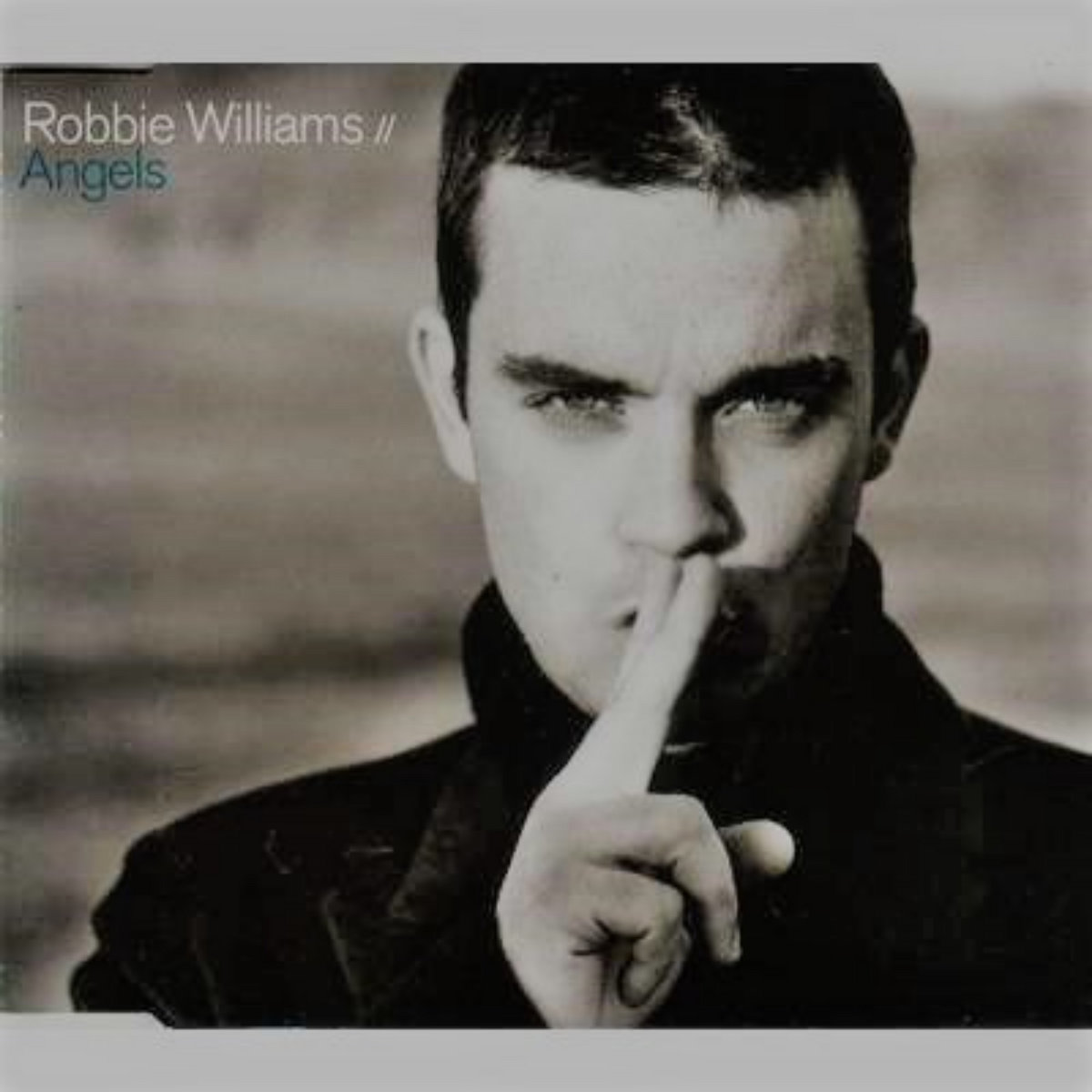 | AngelsRobbie Williams |
Writer(s): Robbie Williams, Guy Chambers, Ray Heffernan (see lyrics here) Released: December 1, 1997 First Charted: December 13, 1997 Peak: 53 US, 25 RR, 10 AC, 21 A40, 4 UK, 18 CN, 40 AU (Click for codes to singles charts.) Sales (in millions): -- US, 1.8 UK, 2.13 world (includes US + UK) Airplay/Streaming (in millions): -- radio, 260.61 video, 309.32 streaming |
Awards:Click on award for more details. 


|
About the Song:Robbie Williams first gained fame in the British boy band Take That in the early ‘90s before striking out on his own in 1996. As a solo artist, he has topped the UK singles chart seven times. However, “Angels,” which peaked at #4, is his best-selling single. In a VH1 poll in the UK, this was voted the best song which should have topped the charts. SF At the 2005 Brit Awards, it was voted the best song of the previous 25 years. WK Irish Independent called it an “epic ballad” WK and ShortList’s Dave Fawbert called it a “genuinely brilliant song.” WK Billboard magazine’s Larry Flick praised the song as a “sweet ballad that never gets sappy.” He said “the lyric is thoughtful and ear-grabbing, and his smoky, crisp vocal is a sheer delight. All that and a chorus to kill for.” WK The song is about loved ones who’ve died and come back as guardian angels to offer protection and affection. In 2005, Britons voted it the song they most wanted played at their funerals. WK Detractors referred to Williams as “a glorified cabaret singer” and attacked this song as his attempt at a mainstream song in a Britpop style. SF Williams claimed he wrote the song with collaborator Guy Chambers about his aunt and uncle. He said they were inspired to write the chorus by watching a water fountain while sitting outside a café. However, Irish singer/songwriter Ray Heffernan says he wrote the son in 1996 after his partner had a miscarriage. By chance, he met Williams in a Dublin pub and showed him the song and the two of them recorded a demo of the song. Williams then said and Chambers significantly rewrote the song. Williams’ management paid Heffernan £7,500 (about $10,000 in U.S. dollars) for the rights to the song. Resources:
Related Links:
First posted 10/15/2021. |
Buddha of Suburbia |
 |
Released: November 1, 1993 Peak: -- US, 87 UK, -- CN, -- AU Sales (in millions): -- Genre: glam rock/classic rock veteran |
Tracks: Song Title (Writers) [time] (date of single release, chart peaks) Click for codes to singles charts.
Songs written by David Bowie and Erdal Kizilcay unless indicated otherwise. Total Running Time: 55:26 The Players:
|
Rating:  2.602 out of 5.00 (average of 18 ratings)
|
About the Album: David Bowie quickly followed his first solo album in six years with this overlooked project which he recorded in just six days. WK Ostensbily recorded as a soundtrack to the four-part British TV miniseries, the title cut was the only song actually featured on the program. “Record-company affiliation difficulties…kept…Buddha of Suburbia…from being released in the U.S. until 1995, when it was slipped out in the wake of his new album, Outside. That's too bad, because The Buddha of Suburbia is an often engaging collection of songs and instrumental passages that recalls many previous Bowie albums, including such disparate efforts as The Man Who Sold the World, Aladdin Sane, and Low. It's not a major effort by any means, but in another context songs like Strangers When We Meet easily could become Bowie favorites.” AMG Notes: There is an alternate album cover featuring Bowie sitting on a cot. |
Resources and Related Links:
Other Related DMDB Pages: 


First posted 2/20/2008; last updated 8/3/2021. |


