Showing posts with label Mojo. Show all posts

Friday, January 15, 2016

David Bowie’s final album, Blackstar, hit #1

Blackstar

David Bowie


Released: January 15, 2016


Peak: 11 US, 13 UK, 11 CN, 11 AU


Sales (in millions): 0.5 US, 0.45 UK, 1.9 world (includes US and UK)


Genre: rock


Tracks:

Song Title (date of single release, chart peaks) Click for codes to singles charts.

  1. Blackstar (11/19/15, 78 US, 61 UK)
  2. Tis a Pity She Was a Whore
  3. Lazarus (12/17/15, 40 US, 17 AA, 45 UK, 72 AU)
  4. Sue (Or in a Season of Crime) (Bowie, Maria Schneider, Paul Bateman, Bob Bhamra) (10/12/14, 81 UK)
  5. Girl Loves Me
  6. Dollar Days
  7. I Can’t Give Everything Away (4/6/16, --)

All songs written by David Bowie unless noted otherwise.


Total Running Time: 41:14

Rating:

3.967 out of 5.00 (average of 20 ratings)


Quotable: “The final breath of one of the world’s greatest artists.” – Far Out magazine


Awards: (Click on award to learn more).

About the Album:

David Bowie released his 25th album, Blackstar on his 69th birthday – and then died two days later, leaving “one of his most daring collections of music.” UD “The album is challenging, thrilling, and very much a testament to Bowie’s visceral creative life.” AV “Rock’s original chameleon” UD remained “adventurous to the end, eschewing his rock roots and delivering an exploratory jazz-fusion record that became the perfect farewell to five decades’ worth of history-making music.” UD

He wrote and recorded the album after finding out he had liver cancer AMG so it is “a brutal reflection of a life we will all eventually lose.” FO “It’s a confessional record that sees Bowie open up about death, the fear of it and the idea of rebirth.” FO His producer, “long-time collaborator and creative foil Tony Visconti,” AV said “He made Blackstar for us, his parting gift…His death was no different from his life – a work of art.” RS’19 “From its daring music to its perfect title, from its stunning artwork to its startling videos, Blackstar was a magnificent farewell to his audience.” PF “It is a courageous piece of artistry and one that confirmed Bowie’s ultra-legendary status like no other disc before it.” FO

“In keeping with his celebrated practice of blending self-commentary, cerebral philosophizing, and ribald showmanship, Blackstar coalesces as a commentary on the artist’s impending death while also covering a wide variety of other topics.” SL “Bowie’s remarkable achievement with Blackstar is how it’s an album about mortality that is utterly alive, even playful.” AMG It “never feels remotely gloomy or grave.” SL “An essential sense of hope is ingrained in the album’s tone, which manages to sound both apocalyptic and optimistic, a final vanishing act which allows music’s most famous extraterrestrial to disappear with his dignity, mystery, and panache all intact.” SL “Bowie felt free of obligations, able to explore and experiment to his art’s content.” PF This “is the sound of a restless artist feeling utterly at ease not only within his own skin and fate but within his own time.” AMG

“Bowie pour[s] everything left of him into his best album since his 70s hot streak.” GU “The album was recorded with a quartet of jazz musicians: saxophonist Donny McCaslin, bassist Tim Lefebvre, drummer Mark Guiliana, and pianist/keyboardist Jason Lindner. As a result, Blackstar sounds like little else in Bowie’s extensive catalog. (he one major exception might be 1977’s Heroes, which shares a similar penchant for moody textures and leisurely experimentation.” AV

“The music – which gently veers from warm synths to skittering percussion to avant-jazz cacophony – is as chameleonic as ever.” BB “The album mostly unfolds like it’s shrouded in chilly, gray fog: Ruminative elegies peppered with mournful saxophone give way to spurts of frantic percussion, midnight-dark keyboards, and contorted vocals, with a few electrified bursts.” AV It sometimes recalls “the hard urban gloss of ‘70s prog – Bowie’s work, yes, but also Roxy Music and, especially, the Scott Walker of Nite Flights – and sometimes evoking the drum ‘n’ bass dabbling of the ‘90s incarnation of the Thin White Duke.” AMG

“Cannily front-loaded with its complicated cuts (songs that were not coincidentally also released as teaser singles), Blackstar starts at the fringe and works its way back toward familiar ground, ending with a trio of pop songs dressed in fancy electronics. This progression brings Blackstar to a close on a contemplative note, a sentiment that when combined with Bowie’s passing lends the album a suggestion of finality that’s peaceful, not haunting.” AMG

“Blackstar”

“The luxurious ten-minute sprawl of Blackstar,” AMG “stitched together by string feints and ominous saxophone,” AMG “extends the exoticized mysticism of Lodger.” SL The song is marked by “a tender joy in the latter half.” BB It also sets the tone for the album, suggesting “Bowie isn’t encumbered with commercial aspirations, but Blackstar neither alienates nor does it wander into uncharted territory.” AMG

“Sue (Or in a Season of Crime)” / “’Tis a Pity She Was a Whore”

“Unlike its predecessor, 2013’s The Next Day, Blackstar doesn’t carry the burden of ushering a new era in Bowie’s career. Occasionally, the record contains a nod to his past – two of its key songs” AMG the “stormy, prog-tinted Sue (Or in a Season of Crime)AV and “’Tis a Pity She Was a Whore, were even aired in 2014 as a supporting single for the Nothing Has Changed compilation (both are revamped for this album) – but Bowie and…Visconti are unconcerned with weaving winking postmodern tapestries; now that they’ve shaken free their creative cobwebs, they’re ready to explore.” AMG

“Lazarus”

With its appropriate allusion to rising from the dead, “Lazarus” served as Bowie’s final top-40 hit. The accompanying video sent chills up anyone’s spine who’d heard the album before he died and couldn’t believe they’d missed the references to his impending death. The song included what New Musical Express referred to as a “goosebump moment” in which Bowie offers his “devastating farewell with a wink as he sighs: ‘Look up here, I’m in heaven/I’ve got scars that can’t be seen/I’ve got drama, can’t be stolen/Everybody knows me now.’” NME

“Girl Loves Me”

Throughout the album, Bowie “spliced the itchy drum’n’bass and industrial moods that fascinated him in the 90s with terrifically freaky jazz, symphonic balladry and – on Girl Loves Me – authentically heavy rap. ‘I’m dying to push their backs against the grain / and fool them all again,’ he sang. And he did.” GU

“I Can’t Give Everything Away”

The album “concludes with a note of acceptance” AMG and “unusually sweet candor” BB on I Can’t Give Everything Away. The song “samples one of Low’s more upbeat transitional tracks,” SL with “the harmonica texture from…’A New Career in a New Town.’” PF

“Yes, there are better Bowie albums but none are so arresting or painful for a Bowie fan.” FO

Resources and Related Links:


Other Related DMDB Pages:


First posted 12/18/2020; last updated 5/1/2022.

Friday, January 10, 2014

Mojo Magazine’s 100 Greatest Albums

Mojo Magazine:

The Top 100 Albums

Mojo is a British music magazine. Over the years, they’ve put out a number of best-of-all-time album lists. This DMDB exclusive list aggregates 13 of Mojo’s lists together (see resources for all the lists at the bottom of the page).

Also, check out Mojo’s annual picks for album of the year from 1950 on.

Check out other publications and organizations’ best-of album lists here.

1. The Beach Boys Pet Sounds (1966)
2. The Beatles Sgt. Peppers Lonely Hearts Club Band (1967)
3. The Beatles Revolver (1966)
4. The Jimi Hendrix Experience Are You Experienced? (1967)
5. The Clash London Calling (1979)
6. Marvin Gaye What’s Going On (1971)
7. Stevie Wonder Innervisions (1973)
8. Radiohead The Bends (1995)
9. The Rolling Stones Exile on Main Street (1972)
10. Jeff Buckley Grace (1994)

11. David Bowie The Rise and Fall of Ziggy Stardust and the Spiders from Mars (1972)
12. Patti Smith Horses (1975)
13. Ramones Ramones (1976)
14. The Doors The Doors (1967)
15. Pulp Different Class (1995)
16. The Stone Roses The Stone Roses (1989)
17. Captain Beefheart & His Magic Band Trout Mask Replica (1969)
18. Led Zeppelin Led Zeppelin IV (1971)
19. Television Marquee Moon (1977)
20. Oasis Definitely Maybe (1994)

21. Bruce Springsteen Born to Run (1975)
22. Bob Dylan Blonde on Blonde (1966)
23. Velvet Underground & Nico Velvet Underground & Nico (1967)
24. Nirvana Nevermind (1991)
25. Joni Mitchell Blue (1971)
26. Fairport Convention Liege and Lief (1969)
27. Richard & Linda Thompson I Want to See the Bright Lights Tonight (1974)
28. Radiohead OK Computer (1997)
29. Bob Dylan Time Out of Mind (1997)
30. Bob Dylan Highway 61 Revisited (1965)

31. Love Forever Changes (1967)

32. The Jimi Hendrix Experience Electric Ladyland (1968)
33. Bob Dylan Blood on the Tracks (1975)
34. The Rolling Stones Sticky Fingers (1971)
35. New York Dolls New York Dolls (1973)
36. Neil Young Everybody Knows This Is Nowhere (1969)
37. Lou Reed Transformer (1972)
38. Pink Floyd The Piper at the Gates of Dawn (1967)
39. Steely Dan Can’t Buy a Thrill (1972)
40. U2 Achtung Baby (1991)

41. Neil Young Tonight’s the Night (1975)
42. The Band Music from Big Pink (1968)
43. Frank Zappa Hot Rats (1969)
44. Bob Dylan Bringing It All Back Home (1965)
45. The Strokes Is This It (2001)
46. The Libertines Up the Bracket (2002)
47. Tricky Maxinquaye (1995)
48. The Rolling Stones Let It Bleed (1969)
49. Nirvana In Utero (1993)
50. The Rolling Stones Beggars Banquet (1968)

51. The Velvet Underground The Velvet Underground (1969)
52. Blur Blur (1997)
53. Nick Drake Five Leaves Left (1969)
54. Van Morrison Astral Weeks (1968)
55. The Flaming Lips The Soft Bulletin (1999)
56. The Beatles The Beatles (aka “The White Album”) (1968)
57. The Beatles Abbey Road (1969)
58. DJ Shadow Endtroducing… (1996)
59. Pink Floyd Dark Side of the Moon (1973)
60. Black Sabbath Black Sabbath (1970)

61. James Brown Live at the Apollo Volume 1 (live, 1962)
62. The Band The Band (1969)
63. Miles Davis Kind of Blue (1959)
64. David Bowie Hunky Dory (1971)
65. R.E.M. Automatic for the People (1992)
66. Portishead Dummy (1994)
67. The Stooges Fun House (1970)
68. Spiritualized Ladies and Gentlemen We Are Floating in Space (1997)
69. Sex Pistols Never Mind the Bollocks, Here’s the Sex Pistols (1977)
70. Fleetwood Mac Rumours (1977)

71. Air Moon Safari (1998)
72. Oasis (What’s the Story) Morning Glory (1995)
73. The Byrds The Notorious Byrd Brothers (1968)
74. Jesus and Mary Chain Psychocandy (1985)
75. Prince Sign ‘O’ the Times (1987)
76. John Lennon Plastic Ono Band (1970)
77. Various Artists Buena Vista Social Club (1997)
78. The Clash The Clash (1977)
79. Roxy Music For Your Pleasure (1973)
80. Blur Parklife (1994)

81. Otis Redding Otis Blue (1965)
82. Donald Fagen The Nightfly (1982)
83. Bruce Springsteen Darkness on the Edge of Town (1978)
84. Gram Parsons Grievous Angel (1974)
85. Joy Division Unknown Pleasures (1979)
86. The Beatles A Hard Day’s Night (soundtrack, 1964)
87. Tom Waits Swordfishtrombones (1983)
88. Carole King Tapestry (1971)
89. Kate Bush Hounds of Love (1985)
90. Led Zeppelin Physical Graffiti (1975)

91. R.E.M. Murmur (1983)
92. Underworld Second Toughest in the Infants (1996)
93. Johnny Burnette & the Rock ‘N’ Roll Trio Johnny Burnette and the Rock ‘N’ Roll Trio (1956)
94. PJ Harvey To Bring You My Love (1995)
95. Derek and the Dominos Layla & Other Assorted Love Songs (1970)
96. King Crimson In the Court of the Crimson King (1969)
97. Free Fire and Water (1970)
98. The Slits Cut (1979)
99. Jethro Tull Stand Up (1969)
100. John Cale Music for a New Society (1982)


Resources and Related Links:


First posted 1/10/2014; last updated 3/13/2024.

Friday, December 10, 2010

Mojo: Songs of the Year, 1955-2006

Originally posted 12/10/2010; updated 4/7/2019.

Mojo is a monthly UK magazine first published in October 1993. While they haven’t always named a “song of the year” they have done multiple best-of lists. Based on 15 of those lists (see links at bottom of page), here are the best songs of each year from 1955 to 2005.

  • 1955: Little Richard “Tutti Frutti
  • 1956: Elvis Presley “Heartbreak Hotel
  • 1957: Buddy Holly & the Crickets “That’ll Be the Day
  • 1958: Chuck Berry “Johnny B. Goode
  • 1959: Ray Charles “What’d I Say

  • 1960: The Shadows “Apache”
  • 1961: Del Shannon “Runaway
  • 1962: Booker T. & the MG’s “Green Onions”
  • 1963: The Ronettes “Be My Baby
  • 1964: The Righteous Brothers “You’ve Lost That Lovin’ Feelin’
  • 1965: The Miracles “The Tracks of My Tears”
  • 1966: Ike & Tina Turner “River Deep, Mountain High”
  • 1967: Aretha Franklin “Respect
  • 1968: Marvin Gaye “I Heard It Through the Grapevine
  • 1969: The Jackson 5 “I Want You Back”

  • 1970: Simon & Garfunkel “Bridge Over Troubled Water
  • 1971: Marvin Gaye “What’s Going On
  • 1972: Stevie Wonder “Superstition
  • 1973: Stevie Wonder “Living for the City”
  • 1974: Kraftwerk “Autobahn”
  • 1975: Queen “Bohemian Rhapsody
  • 1976: Sex Pistols “Anarchy in the U.K.”
  • 1977: Sex Pistols “God Save the Queen”
  • 1978: The Dils “I Hate the Rich”
  • 1979: Dead Kennedys “California Über Alles”

  • 1980: Martha & the Muffins “Echo Beach”
  • 1981: Ultravox “Vienna”
  • 1982: Grandmaster Flash & the Furious Five “The Message
  • 1983: The Smiths “This Charming Man”
  • 1984: Frankie Goes to Hollywood “Two Tribes”
  • 1985:
  • 1986: Run-D.M.C. with Aerosmith’s Steven Tyler & Joe Perry “Walk This Way
  • 1987: Phuture “Acid Tracks”
  • 1988: A Guy Called Gerald “Voodoo Ray”
  • 1989: The La’s “There She Goes”

  • 1990: Sinéad O’Connor “Nothing Compares 2 U
  • 1991: Nirvana “Smells Like Teen Spirit
  • 1992: Radiohead “Creep
  • 1993: Beck “Loser”
  • 1994: Oasis “Live Forever”
  • 1995: Pulp “Common People”
  • 1996: Manic Street Preachers “A Design for Life”
  • 1997: The Verve “Bittersweet Symphony”
  • 1998: Britney Spears “Baby One More Time”
  • 1999: Rage Against the Machine “Sleep Now in the Fire”

  • 2000: Asian Dub Foundation “Real Great Britain”
  • 2001: The White Stripes “Fell in Love with a Girl”
  • 2002: The Libertines “What a Waster”
  • 2003: The Darkness “Christmas Time (Don’t Let the Bells End)”
  • 2004: Franz Ferdinand “Take Me Out
  • 2005: Arctic Monkeys “I Bet You Look Good on the Dance Floor”
  • 2006: Camera Obscura “Lloyd, I’m Ready to Be Heartbroken”

Mojo Song Lists:

Saturday, February 28, 2009

Mojo: Top 100 Songs

Mojo:

Top 100 Songs

Mojo is a monthly UK magazine first published in October 1993. They have published multiple best-of lists over the years. Below is an exclusive Dave’s Music Database list in which 15 song-based lists (see links at bottom of page) from Mojo hae been aggregated into one best-of list.

Click here to see other lists from publications and/or organizations.

1. Sex Pistols “God Save the Queen” (1977)
2. Nirvana “Smells Like Teen Spirit” (1991)
3. The Ronettes “Be My Baby” (1963)
4. Oasis “Live Forever” (1994)
5. Marvin Gaye “I Heard It Through the Grapevine” (1968)
6. Ike & Tina Turner “River Deep, Mountain High” (1966)
7. Queen “Bohemian Rhapsody” (1975)
8. Aretha Franklin “Respect” (1967)
9. The Miracles “The Tracks of My Tears” (1965)
10. Stevie Wonder “Superstition” (1972)

11. Grandmaster Flash & the Furious Five “The Message” (1982)
12. The Beach Boys “God Only Knows” (1966)
13. The La’s “There She Goes” (1990)
14. Pulp “Common People” (1995)
15. The Kingsmen “Louie Louie” (1963)
16. Bob Dylan “Like a Rolling Stone” (1965)
17. The Beatles “Revolution” (1968)
18. The Rolling Stones “(I Can’t Get No) Satisfaction” (1965)
19. The Beatles “Hey Jude” (1968)
20. The Beatles “Penny Lane” (1967)

21. The Rolling Stones “Jumpin’ Jack Flash” (1968)
22. The Beatles “Paperback Writer” (1966)
23. The Beatles “Rain” (1966)
24. The Righteous Brothers “You’ve Lost That Lovin’ Feelin’” (1965)
25. Billie Holiday “Strange Fruit” (1939)
26. Procol Harum “A Whiter Shade of Pale” (1967)
27. The Beatles “I Want to Hold Your Hand” (1963)
28. Chuck Berry “Johnny B. Goode” (1958)
29. The Smiths “This Charming Man” (1983)
30. The Who “My Generation” (1966)

31. Ray Charles “What’d I Say” (1959)
32. The Jimi Hendrix Experience “Purple Haze” (1967)
33. The Beatles “Strawberry Fields Forever” (1967)
34. The Beach Boys “Good Vibrations” (1966)
35. The Jackson 5 “I Want You Back” (1969)
36. Elvis Presley “Heartbreak Hotel” (1956)
37. Four Tops “Reach Out (I’ll Be There)” (1966)
38. Sex Pistols “Anarchy in the U.K.” (1976)
39. The Byrds “Eight Miles High” (1966)
40. Kate Bush “Wuthering Heights” (1978)

41. Otis Redding “(Sittin’ on) The Dock of the Bay” (1968)
42. Blue Oyster Cult “(Don’t Fear) The Reaper” (1976)
43. The Animals “The House of the Rising Sun” (1964)
44. ? and the Mysterians “96 Tears” (1966)
45. The Specials “Ghost Town” (1981)
46. Squeeze “Up the Junction” (1979)
47. The Small Faces “Itchycoo Park” (1967)
48. Simon & Garfunkel “Bridge Over Troubled Water” (1970)
49. The Dils “I Hate the Rich” (1978)
50. Marvin Gaye “What’s Going On” (1971)

51. Sex Pistols “Holidays in the Sun” (1977)
52. Martha & the Vandellas “Dancing in the Street” (1964)
53. Edwin Starr “War” (1970)
54. The Undertones “Teenage Kicks” (1978)
55. The Clash “White Riot” (1977)
56. The Poni Tails “Born Too Late” (1958)
57. The Byrds “Mr. Tambourine Man” (1965)
58. Sam Cooke “A Change Is Gonna Come” (1965)
59. Marvin Gaye “Inner City Blues (Make Me Wanna Holler)” (1971)
60. Derek and the Dominos “Layla” (1971)

61. Stevie Wonder “Living for the City” (1973)
62. Don McLean “American Pie” (1971)
63. The Kinks “You Really Got Me” (1964)
64. Link Wray and His Men “Rumble” (1958)
65. R.E.M “.Losing My Religion” (1991)
66. James Brown “Papa’s Got a Brand New Bag” (1965)
67. Booker T. & the MG’s “Green Onions” (1962)
68. The Rolling Stones “Sympathy for the Devil” (1968)
69. Del Shannon “Runaway” (1961)
70. Manic Street Preachers “A Design for Life” (1996)

71. David Bowie “Space Oddity” (1969)
72. John Lennon “Imagine” (1971)
73. This Mortal Coil “Song to the Siren” (1984)
74. The Small Faces “Tin Soldier” (1967)
75. The Kinks “Waterloo Sunset” (1967)
76. Massive Attack “Unfinished Sympathy” (1991)
77. Buddy Holly & the Crickets “That’ll Be the Day” (1957)
78. Eddie Cochran “Summertime Blues” (1958)
79. Mott the Hoople “All the Young Dudes” (1972)
80. Jimmy Ruffin “What Becomes of the Broken Hearted” (1966)

81. Primal Scream “Higher Than the Sun” (1991)
82. Frankie Goes to Hollywood “Two Tribes” (1984)
83. Oasis “Wonderwall” (1995)
84. Oasis “Champagne Supernova” (1996)
85. Chic “Good Times” (1979)
86. McAlmont & Butler “Yes” (1995)
87. Radiohead “Creep” (1993)
88. The Jimi Hendrix Experience “Hey Joe” (1966)
89. The Temptations “My Girl” (1964)
90. Martha & the Vandellas “Heat Wave” (1963)

91. The Smiths “How Soon Is Now?” (1984)
92. Gene Vincent & His Blue Caps “Be-Bop-A-Lula” (1956)
93. Ramones “Blitzkrieg Bop” (1976)
94. Television Personalities “Part-Time Punks” (1978)
95. Pete Seeger “We Shall Overcome” (1963)
96. Kraftwerk “Autobahn” (1974)
97. Subway Sect “Ambition” (1978)
98. Ultravox “Vienna” (1981)
99. Fairport Convention “Who Knows Where the Time Goes” (1969)
100. R.E.M. “Everybody Hurts”” (1993)


Resources/Related Links:

First posted 12/10/2010; last updated 4/8/2021.

Tuesday, January 20, 2009

Animal Collective’s Merriweather Post Pavilion released

Merriweather Post Pavilion

Animal Collective


Released: January 20, 2009


Peak: 13 US, 26 UK, 25 CN, 63 AU


Sales (in millions): -- US, -- UK, 0.22 world (includes US and UK)


Genre: alternative rock


Tracks:

  1. In the Flowers
  2. My Girls (single: 3/23/09)
  3. Also Frightened
  4. Summertime Clothes (single: 6/29/09)
  5. Daily Routine
  6. Bluish
  7. Guys Eyes
  8. Taste
  9. Lion in a Coma
  10. No More Runnin
  11. Brother Sport (single: 11/9/09)

Rating:

3.985 out of 5.00 (average of 20 ratings)


Awards: (Click on award to learn more).

About the Album:

“Animal Collective have brought the celestial down to earth with each record, but they’ve never sounded simultaneously otherworldly and approachable quite like they do on Merriweather Post Pavilion. Their eighth studio LP, it finds them at their best – straining farther away from conventional song structure and accompaniment, even while doubling back to reach lyrical themes and modes of singing at their most basic or child-like.” JB

“Where before AC expertly inserted experimental snippets into relatively straight-ahead songs, Merriweather Post Pavilion sees them reach some kind of denouement where pop music ends and pure sonic experience begins – the sound is the only structure. Dismantling the framework of a pop song almost entirely (but using recurring passages in a very poppy way), the group offer a series of overlapping circular elements, all of which occasionally come together for a chorus but then break apart just as quickly.” JB

“The music itself, at least what’s describable about it, consists of deep bass pulses and art-damaged guitars with overlapping vocal harmonies that rise in a holy chorus. This may sound much like previous Animal Collective highlights, but where those records seemed like a series of accidental masterpieces – the type of work that sounds brilliant only because it’s been culled from hundreds of hours of tape – Merriweather Post Pavilion is a perfectly organized record, not a note out of place, not a second wasted. It has the excitement and energy of Sung Tongs, the ragged sonic glory of Feels, and Strawberry Jam’s ability to make separate parts come together in a glorious whole. Like the best experimental rockers surging toward nirvana – from the Beach Boys to Mercury Rev – Animal Collective have not only created a private soundworld like none other, they’ve also made it an inviting place to visit.” JB

Resources and Related Links:


First posted 3/30/2010; last updated 4/30/2022.

Tuesday, November 30, 2004

Mojo – Icons: The Greatest Music Stars of All Time

image from ebay.com

This special issue of the British music magazine Mojo ranked the greatest music stars of all time. Here’s the list:

  1. John Lennon
  2. Elvis Presley
  3. David Bowie
  4. Keith Richards
  5. Kurt Cobain
  6. Madonna
  7. Bono
  8. Bob Marley
  9. Joe Strummer
  10. Bob Dylan

  11. Morrissey
  12. Johnny Cash
  13. Liam Gallagher
  14. Paul McCartney
  15. Eminem
  16. Freddie Mercury
  17. Mick Jagger
  18. Robbie Williams
  19. Jimi Hendrix
  20. Tupac (“2pac”) Shakur

  21. Kylie Minogue
  22. Thom Yorke
  23. Noel Gallagher
  24. Michael Stipe
  25. George Harrison
  26. Bruce Springsteen
  27. Sid Vicious
  28. Elton John
  29. Kate Bush
  30. Syd Barrett

  31. Marvin Gaye
  32. Rod Stewart
  33. Britney Spears
  34. George Michael
  35. 50 Cent
  36. Ian Brown
  37. Jack White
  38. Justin Timberlake
  39. John “Johnny Rotten” Lydon
  40. James Hetfield

  41. Michael Jackson
  42. Neil Young
  43. Marc Bolan
  44. Dave Grohl
  45. Axl Rose
  46. Pete Townshend
  47. Missy “Misdemeanor” Elliott
  48. James Brown
  49. Richey Edwards
  50. Lemmy Kilmister

  51. Jim Morrison
  52. Christina Aguilera
  53. Jimmy Page
  54. Prince
  55. Iggy Pop
  56. Shane MacGowan
  57. Elvis Costello
  58. Ozzy Osbourne
  59. Stevie Wonder
  60. Nick Drake

  61. Aretha Franklin
  62. Joey Ramone
  63. Ian Curtis
  64. Robert Smith
  65. Chris Martin
  66. Phil Lynott
  67. Slash
  68. Keith Moon
  69. Chuck Berry
  70. Slyvester “Sly Stone” Stewart

  71. Jeff Buckley
  72. Gram Parsons
  73. Ray Charles
  74. Simon LeBon
  75. PJ Harvey
  76. Angus Young
  77. Brian Wilson
  78. Jerry Dammer
  79. Frank Sinatra
  80. Marilyn Manson

  81. Elliott Smith
  82. Eric Clapton
  83. Frank Black (aka “Black Francis”)
  84. Beyonce
  85. Lou Reed
  86. Tom Waits
  87. Pete Doherty
  88. Billie Joe Armstrong
  89. Janis Jopline
  90. Siouxsie Sioux

  91. Ringo Starr
  92. Anthony Kiedis
  93. Paul Weller
  94. Snoop Doggy Dogg
  95. Courtney Love
  96. Dusty Springfield
  97. Bjork
  98. Buddy Holly
  99. John Lee Hooker
  100. New York Dolls

Resources:
  • Listal.com: Mojo’s Icons (lists all 50 with comments and essential recordings)

Tuesday, April 1, 2003

The White Stripes' Elephant released

Elephant

The White Stripes


Released: April 1, 2003


Peak: 6 US, 12 UK, 5 CN, 4 AU


Sales (in millions): 2.1 US, 0.86 UK, 5.7 world (includes US and UK)


Genre: garage rock revival


Tracks:

Song Title (date of single release, chart peaks) Click for codes to singles charts.

  1. Seven Nation Army (3/8/03, 76 US, 12 AR, 1 MR, 7 UK, 17 AU)
  2. Black Math
  3. There’s No Home for You Here
  4. I Just Don’t Know What to Do with Myself (8/5/03, 25 MR, 13 UK, 54 AU)
  5. In the Cold, Cold Night
  6. I Want to Be the Boy
  7. You’ve Got Her in Your Pocket
  8. Ball and Biscuit
  9. The Hardest Button to Button (8/9/03, 8 MR, 23 UK, 54 AU)
  10. Little Acorns
  11. Hypnotize
  12. The Air Near My Fingers
  13. Girl, You Have No Faith in Medicine
  14. It’s True That We Love One Another


Total Running Time: 49:56


The Players:

  • Jack White (vocal, guitar, piano)
  • Meg White (drums, vocals)

Rating:

4.393 out of 5.00 (average of 30 ratings)


Quotable: “Everything rock should be.” – Goliath


Awards: (Click on award to learn more).

About the Album:

The Stripes exploded out of Detroit with a minimalist garage-blues attack: just Jack White on guitar and Meg White on drums, taking on the world. These kids insisted they were a brother and sister, even after people learned they were secretly a divorced couple. But against all odds, the low-budget duo became a global sensation for their sheer rock power” RS’20 after their third album, White Blood Cells, sold more than a half million copies and made stars of the duo.

For their follow-up, Elephant, the White Stripes “built out the raw garage rock from their first three albums into an entirely re-imagined sound, taking their pissed-off swagger and channeling it into ambition: blistering blues, whimsical folk, Stooges-esque punk, contemplative love tunes.” GQ Elephant “sounds even more pissed-off, paranoid, and stunning than its predecessor.” AMG It “seethes with raw desperation and lust.” RS’20 “It’s more consistent, exploring disillusionment and rejection with razor-sharp focus.” AMG It is “everything rock should be; it’s fiery and loud on one track, soft and slow on the next, with poignant lyrics and absolutely devastating electric guitar.” GL

“In case we’d forgotten, we were reminded that Jack can fucking shred on guitar. GQ “This album contains some of the finest guitar work of this, or any, generation, both from a technical standpoint and an affective standpoint.” GL “You can almost feel the breeze from the amps on your face as the riffs strut out – and he squeezed more tone out of the electric guitar than almost anyone else that decade.” GU

The album “cemented Jack White’s reputation as a musical purist” PM and “much-lampooned fetish for analogue production.” GU “By recording the album entirely on pre-1960s equipment, White encapsulated the gritty open-wound rawness of the early delta blues masters he is heavily influenced by. Yet there is an indisputable modernism to Elephant that makes…[the White Stripes as] fresh sounding today as they did” PM then.

“Chip-on-the-shoulder anthems like the breathtaking opener, Seven Nation Army, which is driven by Meg White’s explosively minimal drumming, and The Hardest Button to Button, in which Jack White snarls ‘Now we're a family!’ – one of the best oblique threats since Black Francis sneered ‘It’s educational!’ all those years ago – deliver some of the fiercest blues-punk of the White Stripes’ career.” AMG “It’s now impossible to imagine a world without ‘Seven Nation Army,’ chanted from football terraces to political rallies.” GL What has been “coined the most recognizable riff in rock” GL “set the template for Elephant: brooding moods, measured out in eighths by Meg White, would tip over into cathartic squalls of blues rock.” GU

There’s No Home for You Here sets a girl’s walking papers to a melody reminiscent of ‘Dead Leaves and the Dirty Ground’ (though the result is more sequel than rehash), driving the point home with a wall of layered, Queen-ly harmonies and piercing guitars, while the inspired version of I Just Don’t Know What to Do with Myself goes from plaintive to angry in just over a minute, though the charging guitars at the end sound perversely triumphant.” AMG

“At its bruised heart, Elephant portrays love as a power struggle, with chivalry and innocence usually losing out to the power of seduction. I Want to Be the Boy tries, unsuccessfully, to charm a girl’s mother.” AMG The “twisted acoustic soul” RS’11 of You’ve Got Her in Your Pocket, “a deceptively gentle ballad, reveals the darker side of the Stripes’ vulnerability, blurring the line between caring for someone and owning them with some fittingly fluid songwriting.” AMG

“The battle for control reaches a fever pitch on the ‘Fell in Love with a Girl’-esque Hypnotize, which suggests some slightly underhanded ways of winning a girl over before settling for just holding her hand.” AMG “Jack plays guitar hero” RS’20 in “the show-stopping Ball and Biscuit. [It is] seven flat-out seductive minutes of preening, boasting, and amazing guitar prowess” AMG and “electric-blues freakery” RS’11 “that ranks as one the band’s most traditionally bluesy (not to mention sexy) songs.” AMG “Interestingly, Meg’s star turn, In the Cold, Cold Night, is the closest Elephant comes to a truce in this struggle, her kitten-ish voice balancing the song’s slinky words and music.” AMG

“While the album is often dark, it’s never despairing; moments of wry humor pop up throughout, particularly toward the end. Little Acorns begins with a sound clip of Detroit newscaster Mort Crim’s Second Thoughts radio show, adding an authentic, if unusual, Motor City feel. It also suggests that Jack White is one of the few vocalists who could make a lyric like ‘Be like the squirrel’ sound cool and even inspiring.” AMG

“Likewise, the showy Girl, You Have No Faith in Medicine – on which White resembles a garage rock snake-oil salesman – is probably the only song featuring the word ‘acetaminophen’ in its chorus.” AMG

It’s True That We Love One Another, which features vocals from Holly Golightly as well as Meg White, continues the Stripes’ tradition of closing their albums on a lighthearted note.” AMG

“Almost as much fun to analyze as it is to listen to, Elephant overflows with quality – it’s full of tight songwriting, sharp, witty lyrics, and judiciously used basses and tumbling keyboard melodies that enhance the band's powerful simplicity (and the excellent The Air Near My Fingers features all of these).” AMG

“Crucially, the White Stripes know the difference between fame and success; while they may not be entirely comfortable with their fame, they've succeeded at mixing blues, punk, and garage rock in an electrifying and unique way ever since they were strictly a Detroit phenomenon. On these terms, Elephant is a phenomenal success.” AMG

Resources and Related Links:


Other Related DMDB Pages:


First posted 3/24/2008; last updated 5/1/2022.

Monday, March 8, 1993

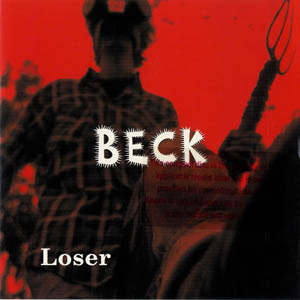
Beck released “Loser”

Loser

Beck

Writer(s): Beck, Carl Stephenson (see lyrics here)


Released: March 8, 1993


First Charted: December 25, 1993


Peak: 10 US, 14 CB, 18 GR, 16 RR, 39 AR, 15 MR, 15 UK, 7 CN, 8 AU, 2 DF (Click for codes to charts.)


Sales (in millions): 0.6 US, 0.2 UK, 0.84 world (includes US + UK)


Airplay/Streaming (in millions): -- radio, 136.0 video, 366.67 streaming

Awards:

Click on award for more details.

About the Song:

“Loser” was originally released in March 1993 by independent record label Bong Load Custom Records as Beck’s second single. The song garnered play on modern rock stations, leading to a major record deal with DGC Records, a subsidiary of Geffen Records. The song was rereleased and made the top 10 of the Billboard Hot 100 in April 1994. It went to #1 in Norway and was a top 10 hit in Australia, Austria, Canada, Iceland, New Zealand, and Sweden.

At 18, Beck moved from Los Angeles to New York City where he lived as a homeless musician in the late 1980s and early 1990s. He returned to L.A. in 1991 and worked low-wage jobs while performing at local coffee houses and clubs. As he said, “I knew my folk music would take off if I put hip-hop beats behind it.” WK To keep audiences’ attention, he would, as he said, “make up these ridiculous songs just to see if people were listening. ‘Loser’ was an extension of that.” WK

After being signed to Bong Load, Beck worked with Carl Stephenson, a record producer for Rap-A-Lot Records. Stephenson wasn’t impressed with Beck’s rapping, but looped a guitar part from one of Beck’s songs, added a drum track, his own sitar, and other samples to craft the musical bed for “Loser.” Beck wrote and improvised disjointed lyrics, but said the song’s roots stemmed to the late ‘80s. When listening to his efforts, Beck thought, “Man, I’m the worst rapper in the world; I’m just a loser.” WK The sentiment became the premise of the song.

The song has been viewed as a parody of the slacker culture of Generation X and associated with the “self-deprecating, anti-corporate” SF nature of the grunge scene, although Beck didn’t associate with that movement. SF The New York Times’ Jon Pareles compared Beck’s “offhand vocal tone and free-associative lyrics” to “Bob Dylan talk-singing.” WK All Music Guide’s Stephen Thomas Erlewine referred to the song as “stoner rap,” but The Boston Globe’s James Reed called it “an alternative rock anthem.” WK The song topped the Village Voice critics’ poll in 1994.


Resources:


Related Links:


First posted 2/27/2021; last updated 7/13/2023.