Showing posts with label April Showers. Show all posts

Saturday, April 17, 2021

Variety Magazine: Golden 100 Songs

Variety Magazine:

Golden 100 Songs

Variety Magazine came up with a listing of what it called the “Golden 100.” The songs were listed in alphabetical order by title and no specific artist was noted. For this DMDB version of the list, the artist with the highest-ranked version of each song is noted and the songs have been ranked in order by their DMDB rating. There’s no indication when this list was done, but it covers songs from 1906-1959.

Click here to see lists from other publications and/or organizations

1. Bing Crosby with the Ken Darby Singers “White Christmas” (1942)
2. Judy Garland “Over the Rainbow” (1939)
3. Arthur Collins with Byron Harlan “Alexander’s Ragtime Band” (1911)
4. Fred Astaire with Leo Reisman’s Orchestra “Night and Day” (1932)
5. Gene Austin “My Blue Heaven” (1927)
6. Artie Shaw “Stardust” (1941)
7. Artie Shaw “Begin the Beguine” (1938)
8. Al Jolson “April Showers” (1922)
9. Bessie Smith with Louis Armstrong “St. Louis Blues” (1925)
10. Ethel Waters “Stormy Weather (Keeps Rainin' All the Time)” (1933)

11. Al Jolson “Swanee” (1920)
12. Dooley Wilson “As Time Goes By” (1942)
13. Peerless Quartet “Let Me Call You Sweetheart” (1911)
14. Gene Autry with the Pinafores “Rudolph, the Red-Nosed Reindeer” (1949)
15. Coleman Hawkins “Body and Soul” (1940)
16. Bing Crosby with George Stoll’s Orchestra “Pennies from Heaven” (1936)
17. Billy Murray with the Haydn Quartet “Take Me Out to the Ball Game” (1908)
18. Paul Whiteman with Bob Lawrence “Smoke Gets in Your Eyes” (1933)
19. The Harmonicats “Peg O’ My Heart” (1947)
20. Tommy Dorsey with Jack Leonard “All the Things You Are” (1939)

21. Byron Harlan “School Days (When We Were a Couple of Kids)” (1907)
22. Al Jolson “You Made Me Love You (I Didn't Want to Do It)” (1913)
23. Original Dixieland Jazz Band “Tiger Rag” (1918)
24. Paul Robeson “Ol’ Man River” (1928)
25. Ben Selvin “Happy Days Are Here Again” (1930)
26. Bing Crosby with John Scott Trotter’s Orchestra “I’ll Be Seeing You” (1944)
27. Marion Harris “After You’ve Gone” (1919)
28. Les Paul with Mary Ford “How High the Moon” (1951)
29. Kate Smith “God Bless America” (1939)
30. Harry MacDonough with Elise Stevenson (as Miss Walton) “Shine on, Harvest Moon” (1909)

31. Sophie Tucker “Some of These Days” (1911)
32. Marion Harris “Tea for Two” (1925)
33. Marion Harris “The Man I Love” (1928)
34. Judy Garland with Gene Kelly “For Me and My Gal” (1942)
35. Billie Holiday “Summertime” (1936)
36. Cliff Edwards “I Can’t Give You Anything But Love” (1928)
37. George Olsen with Fran Frey, Bob Rice, & Edward Joyce “Always” (1926)
38. Heidelberg Quintet “Waiting for the Robert E. Lee” (1912)
39. Byron Harlan “Wait Till the Sun Shines, Nellie” (1906)
40. Count Basie “April in Paris” (1956)

41. Woody Herman “Blues in the Night (My Mama Done Tol’ Me)” (1941)
42. Ted Weems with Elmo Tanner “Heartaches” (1947)
43. Henry Burr “I Wonder Who’s Kissing Her Now” (1909)
44. Arthur Collins with Byron Harlan “Darktown Strutters’ Ball” (1918)
45. Glen Gray with Kenny Sargent “Blue Moon” (1935)
46. Red Nichols “I Got Rhythm” (1930)
47. Rosemary Clooney “Tenderly” (1952)
48. Perry Como “Some Enchanted Evening” (1949)
49. Little Jack Little “I’m in the Mood for Love” (1935)
50. Walter Huston “September Song” (1939)

51. Ted Lewis “On the Sunny Side of the Street” (1930)
52. That Old Black Magic…Glenn Miller with Skip Nelson (1943)
53. Gene Austin “My Melancholy Baby” (1928)
54. Ray Noble “I’ve Got You Under My Skin” (1936)
55. Ruth Etting “Love Me Or Leave Me” (1929)
56. Bing Crosby with the Mills Brothers “Dinah” (1932)
57. Paul Whiteman with Jack Fulton “Lover” (1933)
58. Wayne King with Ernie Birchill “Goodnight Sweetheart” (1931)
59. The Victory Military Band “Poor Butterfly” (1917)
60. Prince’s Orchestra “Ballin’ the Jack” (1914)

61. Dinah Washington “What a Diff’rence a Day Makes” (1959)
62. John Steel “A Pretty Girl Is Like a Melody” (1919)
63. Bill Snyder “Bewitched, Bothered & Bewildered” (1950)
64. Artie Shaw “Dancing in the Dark” (1941)
65. Paul Whiteman “Somebody Loves Me” (1924)
66. Paul Whiteman with Jack Fulton, Charles Gaylord, & Austin Young “The Birth of the Blues” (1926)
67. Dick Haymes “It Might As Well Be Spring” (1945)
68. Benny Goodman with Helen Ward “These Foolish Things Remind Me of You” (1936)
69. Fred & Tom Waring “Ah! Sweet Mystery of Life” (1928)
70. Leo Reisman “What Is This Thing Called Love?” (1930)

71. Al Jolson “All Alone” (1925)
72. George Olsen “Who?” (1926)
73. Ethel Merman “I Get a Kick Out of You” (1935)
74. Guy Lombardo with Carmen Lombardo How Deep Is the Ocean?” (1932)
75. Ben Selvin “Chicago (That Toddlin’ Town)” (1922)
76. Isham Jones with Ray Miller & Frank Bessinger “I’ll See You in My Dreams” (1925)
77. Tommy Dorsey with Jack Leonard “Marie” (1937)
78. Ben Pollack with Franklyn Baur “Sweet Sue, Just You” (1928)
79. Paul Whiteman with Jack Fulton “Lover Come Back to Me” (1929)
80. Ruth Etting “Exactly Like You” (1930)

81. Richard Himber with Stuart Allen “Just One of Those Things” (1935)
82. Edith Piaf “La Vie En Rose” (1950)
83. Frank Sinatra “You’ll Never Walk Alone” (1945)
84. Hal McIntyre “My Funny Valentine” (1945)
85. Margaret Whiting “Come Rain or Come Shine” (1946)
86. Leo Reisman with Clifton Webb “Easter Parade” (1933)
87. Roger Wolfe Kahn “Sometimes I’m Happy” (1927)
88. Larry Clinton with Bea Wain “You Go to My Head” (1938)
89. Paul Whiteman with Al Rinker, Jack Fulton, Charles Gaylord, & Austin Young “My Heart Stood Still” (1928)
90. Cab Calloway “I’ve Got the World on a String” (1932)

91. Frankie Laine “I Believe” (1953)
92. Paul Whiteman with Bing Crosby “Without a Song” (1929)
93. Paul Whiteman with Bing Crosby “Great Day” (1929)
94. Leo Reisman with Ran Weeks “With a Song in My Heart” (1929)
95. Glenn Miller “The Nearness of You” (1940)
96. Sarah Vaughn “S’ Wonderful” (1927)
97. Julie Andrews “I Could Have Danced All Night” (1956)
98. Olive Kline “Kiss Me Again” (1916)
99. Nat Shilkret with Phil Dewey, Frank Luter, & Leo O’Rourke “Get Happy” (1930)
100. Judy Garland “Zing! Went the Strings of My Heart” (1943)


Resources and Related Links:

First posted 8/1/2014; last updated 4/17/2021.

Wednesday, April 22, 2020

Dave's Music Database Hall of Fame: Song Inductees (April 2020)

Originally posted 4/22/2020.

In honor of the 10th anniversary of the DMDB blog on January 22, 2019, Dave’s Music Database launched its own Hall of Fame. This is the sixth set of song inductees. These songs appear on the Dave’s Music Database list of standards. The top 100 list has been reordered based on overall DMDB points and the top ten songs not previously inducted have been included here.

American Quartet “Over There” (1917)

Inducted April 2020 as “Top Standard”

George M. Cohan’s “biggest song not written for Broadway” RCG became World War I’s most famous song. JA He penned the patriotic number after reading in the newspaper that the United States had declared war on Germany. He expanded the opening phrase of “Johnny Get Your Gun,” a popular song from 1886, into “a lyric that is both a call to arms and a vow not to come home till ‘it’s over, over there’.” RCGThe American Quartet, the Peerless Quartet, Nora Bayes, and Enrico Caruso all recorded #1 versions of the song. Read more.

Fred Astaire with Ginger Rogers & Leo Reisman’s Orchestra “Cheek to Cheek” (1935)

Inducted April 2020 as “Top Standard”

Composer Irving Berlin crafted thirteen songs which landed in Fred Astaire movies. “Cheek to Cheek,” which Berlin wrote in a day, TM was one of three to hit #1. It wasn’t just any #1, though; it “became one of Berlin’s greatest commercial successes,” TY spending more weeks atop the pop charts than any other song from 1935. WHC The song received an Academy Award nomination for best song. Read more.

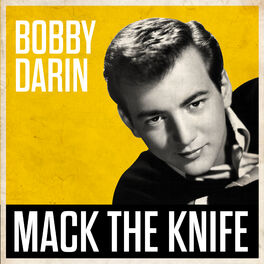
Bobby Darin “Mack the Knife” (1959)

Inducted April 2020 as “Top Standard”

“Mack the Knife” originated in 1928 as “Moritat,” which translates to “murder deed.” RCG Bertlot Brecht and Kurt Weill wrote the original German song about “a bloodthirsty Berlin gangster” RS500 on the prowl for the musical The Three Penny Opera. Despite the song’s gruesome subject matter, the irresistible melody made the song hit-worthy. KL Instead of translating the lyrics literally, Marc Blitzstein gave the song a rewrite. SJ It became a standard, charting six times in 1956 alone, with Bobby Darin’s the biggest of all. The song transformed his image into that of “a finger-snapping sophisticate at home in the cocktail lounge.” RS500 Read more.

Al Jolson “Swanee” (1920)

Inducted April 2020 as “Top Standard”

George Gershwin may be America’s greatest songwriter. By 1919, he had already written two Broadway revues, one of which included the song “Swanee.” LW Co-writer Irving Caesar (who later wrote “Tea for Two”) persuaded his friend Al Jolson to use it in his Broadway show Sinbad. LW It became Gershwin’s first major hit and his best-selling song in terms of both sheet music and record sales. JA The song parodies Stephen Foster’s 1851 song “Old Folks at Home,” WK which came to be a symbol of freedom and emancipated slaves. Jolson performed the song in blackface, which is horrifically racist in hindsight, but was popular entertainment in the minstrel shows of the day. Read more.

Al Jolson “April Showers” (1922)

Inducted April 2020 as “Top Standard”

“April Showers” ranks as “one of America’s greatest ballads.” PS Louis Silvers composed the music and B.G. “Buddy” DeSylva wrote the lyrics. Al Jolson introduced “April Showers” in the 1921 Broadway musical, Bombo. It was his 13th #1 song and biggest hit to date PM and became “a well-known Jolson trademark.” WK Only “Sonny Boy,” from 1928, would spend more weeks on top of the chart (twelve). PM The song also became the biggest hit of 1922. WHC Read more.

Billy Murray & Haydn Quartet “Take Me Out to the Ball Game” (1908)

Inducted April 2020 as “Top Standard”

“The unofficial anthem of American baseball” RCG has been “affectionately referred to…as the ‘other’ national anthem.” SH It is “one of the most easily recognized songs in America,” SH behind only “Happy Birthday” and “The Star Spangled Banner,” SH having been sung at nearly every U.S. professional baseball game for the last 100 years. PS Surprisingly, neither the song’s composer (Albert Von Tilzer) nor lyricist (Jack Norworth) had ever seen a baseball game prior to writing the song. PS It got its start on vaudeville where Norworth’s wife, singer Nora Bayes, introduced it. JA-188 In 1908 Billy Murray’s recording of the song with the Haydn Quartet became the biggest song of the year. WHC Read more.

Peerless Quartet “Let Me Call You Sweetheart” (1911)

Inducted April 2020 as “Top Standard”

“Sweetheart” was “a tremendous hit in vaudeville” JA which “became a favourite around player pianos and community sings.” RCG It “is a straightforward declaration of love that came to be more of a sing-a-long than a ballad. Lou Friedman wrote the music in a waltzing tone while Beth Slater Whitson wrote the lyrics, [in] which he proclaims his love and asks the other to ‘whisper that you love me too.’” RCG With over 6 million sales of the sheet music, it is one of the top ten best selling sheet music songs of the first half of the century. PM Read more.

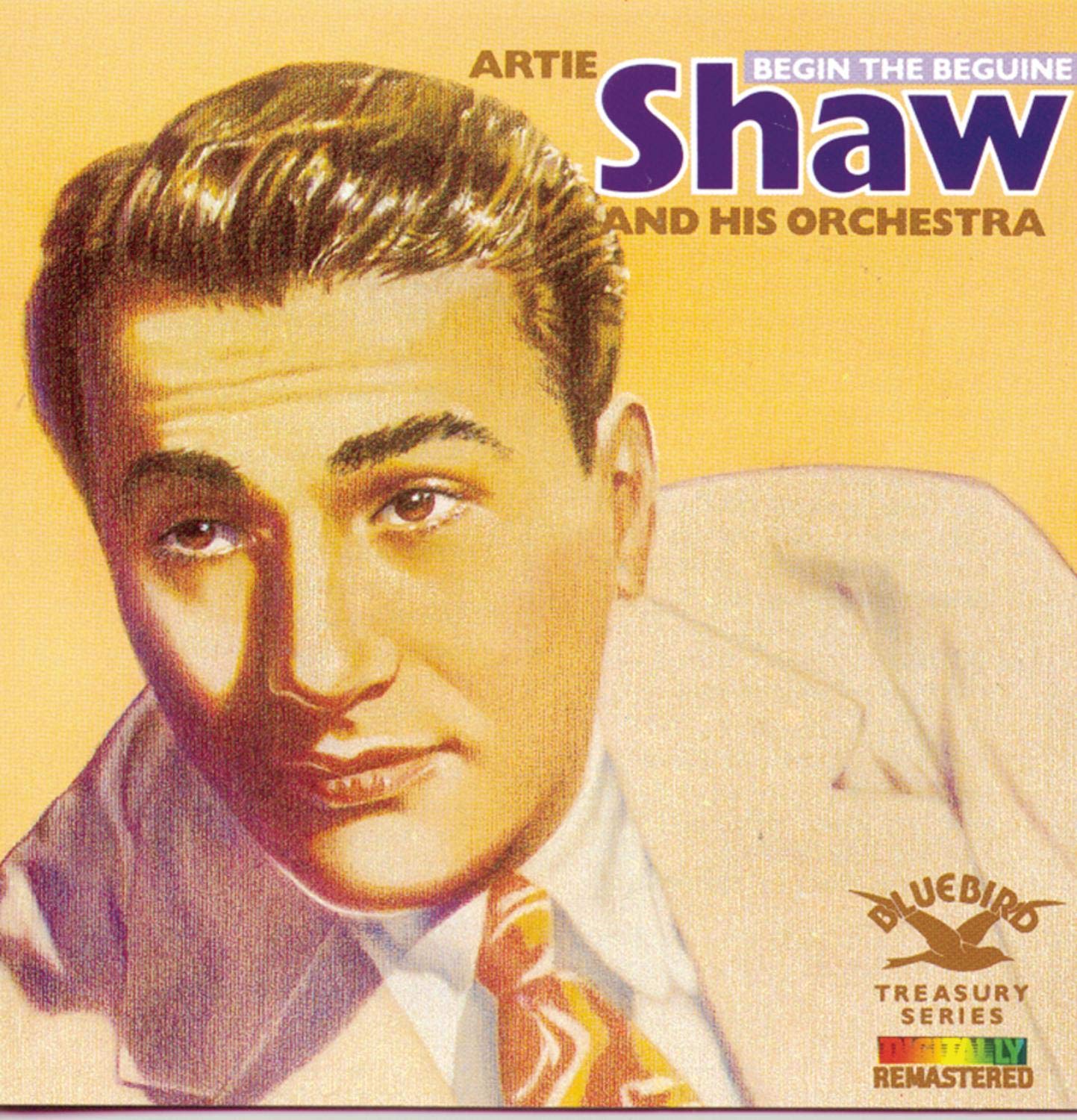
Artie Shaw “Begin the Beguine” (1938)

Inducted April 2020 as “Top Standard”

“Beguine” refers to a 1930s’ Cuban dance similar to a rumba. Depending on the account one chooses to believe, songwriter Cole Porter experienced it for the first time on a luxury cruise during a stop in Martinique or a Paris dance hall frequented by Martinique imigrants. He adopted the dance’s rhythm for a big production number for Jubilee, a musical comedy which debuted in 1935. SB Xavier Cugat had a #13 hit with it that year. However, it was Artie Shaw’s version three years later which became a #1 PM-476 and “one of the most popular jazz standards.” SB Read more.

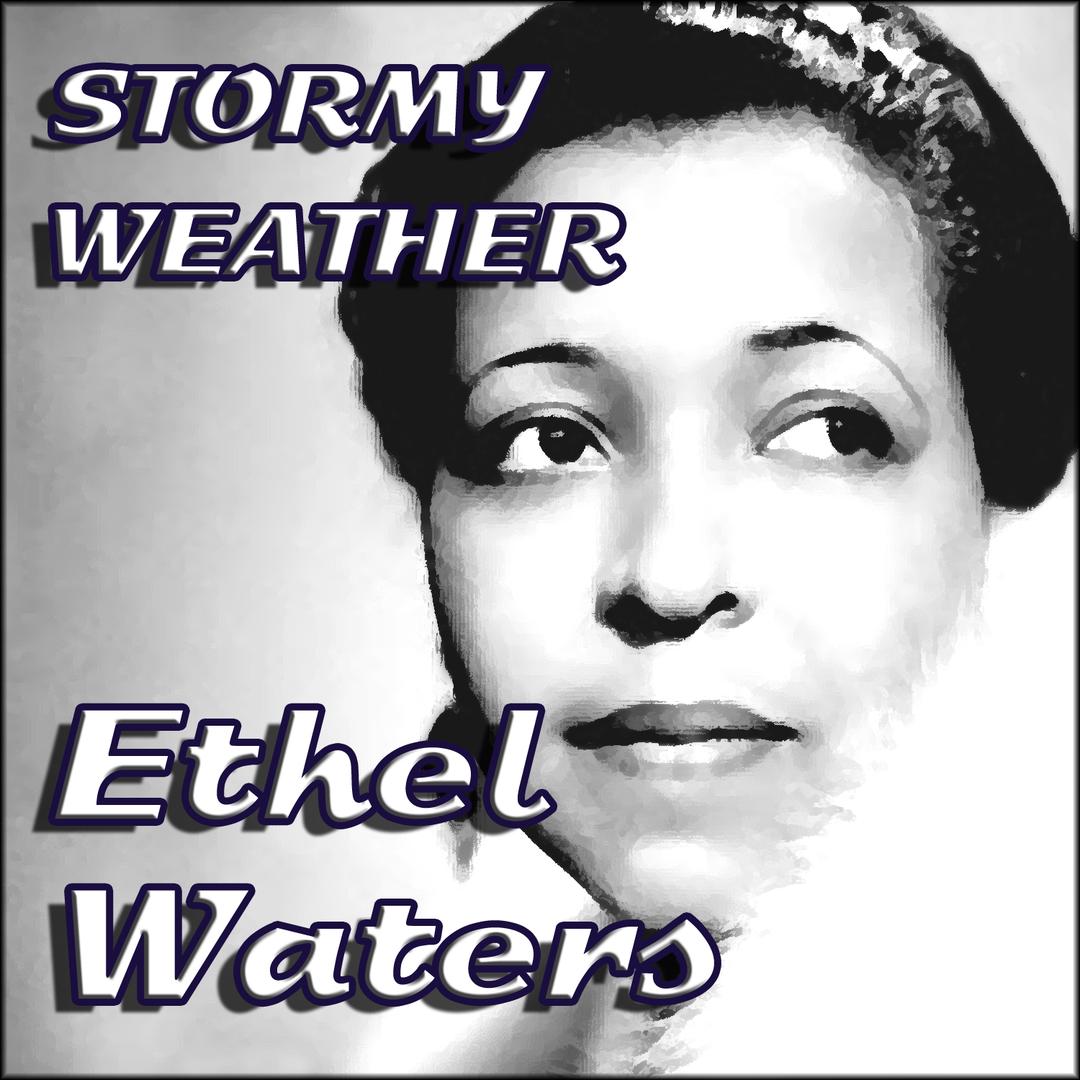
Ethel Waters “Stormy Weather (Keeps Rainin' All the Time)” (1933)

Inducted April 2020 as “Top Standard”

In the early 1930s, the famed Cotton Club in Harlem, New York, featured African-American performers on stage although they weren’t allowed to sit in the audience. TM Harold Arlen, a cantor’s son, and Ted Koehler wrote this “bluesy perennial” TM for Cab Calloway to introduce in a Cotton Club revue, but decided it was more fitting for a female singer and gave it to Ethel Waters. TY When she performed “Stormy Weather” in the show Cotton Club Parade, she sang it “with all her soul…expressing the anguish of people who found nothing but gloom and misery…because of the Depression.” TY Metronome magazine called it “1933’s biggest hit.” SS “It has become a cabaret standard.” JA Read more.

Paul Whiteman “Whispering” (1920)

Inducted April 2020 as “Top Standard”

This was the debut chart single for Paul Whiteman, and what a beginning it was. It was the second biggest hit of the year WHC and the biggest chart success of Whiteman’s career. It was the first of Whiteman’s 30 songs to go all the way to the top and helped him to become the most popular bandleader of the pre-swing era and the dominant force in American popular recording. PM “Whispering” sold over two million copies which, considering the number of record players in use then, would be the equivalent today of sales of 20 million. TY The online All Music Guide says more than 700 different versions of the song have been recorded, including versions to chart in four different decades. Read more.

Saturday, February 1, 1997

50 years ago: Al Jolson hit #1 with Songs He Made Famous

First posted 9/29/2020.

Songs He Made Famous

Al Jolson


Released: November 1946


Charted: January 18, 1947


Recorded: 1913-1946


Peak: 125 US, -- UK, -- CN, -- AU


Sales (in millions): -- US, -- UK, -- world (includes US and UK)


Genre: traditional pop


Tracks:

Song Title (date when original version of song charted, chart peaks) Click for codes to singles charts.

  1. April Showers (1/28/22, 111 US)
  2. Swanee (5/8/20, 19 US, sales: 1 million)
  3. California, Here I Come (5/3/24, 16 US)
  4. Rock-A-Bye Your Baby with a Dixie Melody (8/10/18, 18 US)
  5. You Made Me Love You (9/20/13, 17 US)
  6. Ma Blushin’ Rosie
  7. Sonny Boy (1928)
  8. My Mammy (6/9/28, 2 US)

Rating:

3.650 out of 5.00 (average of 4 ratings)


Awards:

About the Album:

Songs He Made Famous was a collection of songs featured in The Jolson Story, a movie musical telling the somewhat ficitionalized story of Al Jolson. The movie tells of a young Jolson discovered at a burlesque show and how he runs off to join the act after his Jewish father forbids it. He later ends up as part of a minstrel show when the blackface entertainer passes out drunk and Jolson takes his place.

Jolson meets an up-and-coming dancer Julie Benson (modeled after Jolson’s real-life wife Ruby Keeler) and they fall in love. She is not fond of show business, however, and wants him to quit. He eventually does, refusing to sing for any reason. However, he is persuaded to sing the song his parents danced to at their wedding when he attends their anniversary party. He is then coaxed into going to a nightclub, where the crowd demands a song. He ends up taking over the show. Julie leaves, knowing he’s happier than he has been in a long time. The movie won Academy Awards for Best Music, Scoring of a Musical Picture, and Best Sound Recording.

Songs He Made Famous featured re-recordings of Jolson’s biggest hits from 1913 to 1928 and served as the soundtrack for the movie. It was initially issued as a 4-record 78 rpm set in 1946 and rereleased as a vinyl LP in 1949. With 25 weeks at #1 and 61 weeks on the Billboard album charts, it ranks in the top 10 for albums of longevity and top 50 #1 albums from 1940-1954. JW:566-7 A second collection of re-recordings from the movie was issued as Souvenir Album and spent 10 weeks atop the album chart.

The re-recorded versions of My Mammy and April Showers charted, hitting numbers 18 and 15 respectively and both selling a million copies. “The Anniversary Song” wasn’t featured on the soundtrack, but the single hit #2 and was also a million seller.

Resources and Related Links:

  • Al Jolson’s DMDB Encyclopedia entry
  • 45 45worlds.com
  • PM Joel Whitburn (1986). Pop Memories 1890-1954. Record Research, Inc.: Menomonee Falls, WI. Pages 233-5.
  • JW Joel Whitburn (2002). Billboard Pop Hits: Singles & Albums 1940-1954. Record Research, Inc.: Menomonee Falls, WI.
  • WK Wikipedia

Friday, January 27, 1995

Buddy DeSylva: Top 25 Songs

First posted 12/8/2019.

Songwriter, film producer, and record executive born George Gard DeSylva 100 years ago today on 1/27/1895 in New York City, NY. Also known as B.G. DeSylva. Founded Capitol Records with Johnny Mercer. Died 7/11/1950. “April Showers” and “Sonny Boy” are featured in the DMDB book The Top 100 Songs of the Pre-Rock Era, 1890-1953. For a complete list of this act’s DMDB honors, check out the DMDB Music Maker Encyclopedia entry.


Top 25 Songs

Dave’s Music Database lists are determined by song’s appearances on best-of lists as well as chart success, sales, radio airplay, streaming, and awards. Many of these songs have been recorded multiple times. Only the highest-ranked version in Dave’s Music Database is included in this list. The recording artist is noted in parentheses. Songs which hit #1 on on the Billboard pop chart are noted.

DMDB Top 1%:

1. April Showers (Al Jolson with Charles Prince’s Orchestra, 1922)
2. Sonny Boy (Al Jolson, 1928)
3. California, Here I Come (Al Jolson with Isham Jones’ Orchestra, 1924) #1
4. If You Knew Susie Like I Know Susie (Eddie Cantor, 1925) #1
5. Somebody Loves Me (Paul Whiteman, 1924) #1
6. The Birth of the Blues (Paul Whiteman with Jack Fulton, Charles Gaylord, & Austin Young; 1926) #1
7. Look for the Silver Lining (Marion Harris, 1921) #1
8. Avalon (Al Jolson with Charles Prince’s Orchestra, 1920)
9. The Best Things in Life Are Free (George Olsen with Ray Bolger, 1927)

DMDB Top 5%:

10. Do It Again (Paul Whiteman, 1922) #1
11. I’ll Build a Stairway to Paradise (Paul Whiteman, 1922) #1
12. Together (Paul Whiteman with Jack Fulton, 1928) #1
13. Alabamy Bound (Blossom Seeley, 1925)
14. Black Bottom (Johnny Hamp, 1926)
15. The Varsity Drag (George Olsen, 1927)
16. Button Up Your Overcoat (Helen Kane, 1929)
17. It All Depends on You (Paul Whiteman, 1927)
18. Rise ‘N Shine (Paul Whiteman with Ramona Davies, 1933)
19. A Kiss in the Dark (Amelita Galli-Curci, 1923)
20. Broken Hearted (Here Am I) (Paul Whiteman with Jack Fulton, Charles Gaylor, & Austin Young; 1927)
21. Yankee Doodle Blues (Billy Murray with Ed Smalle, 1922)

Beyond the DMDB Top 20%:

22. Black and Blue (Frankie Laine with Carl Fischer’s Swingtet, 1947)
23. Should I Be Sweet? (1932)
24. Ou Ain’t Heard Nothing Yet (1919)
25. Alexander’s Got a Jazz Band Now (1917)


Awards:


Friday, February 11, 1972

50 years ago: Al Jolson hit #1 with “April Showers” for 1st of 11 weeks

April Showers

Al Jolson

Writer(s): Buddy DeSylva (lyrics), Louis Silvers (music) (see lyrics here)


First Charted: January 28, 1922


Peak: 111 US, 1 GA (Click for codes to charts.)


Sales (in millions): 1.0 (sheet music)


Airplay/Streaming (in millions): -- radio, 0.75 video, -- streaming

Awards:

Click on award for more details.

About the Song:

“April Showers” ranks as “one of America’s greatest ballads.” PS Louis Silvers composed the music and B.G. “Buddy” DeSylva wrote the lyrics. DeSylva worked with Jolson throughout his career. Silvers had worked as a composer, conductor, and vaudeville pianist. He later became the musical director for Gus Edwards’ vaudeville shows. He also wrote the score for 1927’s The Jazz Singer. PS

Al Jolson introduced “April Showers” in the 1921 Broadway musical, Bombo. His “velvety voice and performance style were perfect for such a great work.” PS “A dreamy opening verse…sets the stage for the loving and delicate melody that follows in the chorus.” PS

It was his 13th #1 song and biggest hit to date PM and became “a well-known Jolson trademark.” WK Only “Sonny Boy,” from 1928, would spend more weeks on top of the chart (twelve). PM The song also became the biggest hit of 1922. CPM

It charted five times in 1922, including the #2 version by Paul Whiteman. Other artists who’ve recorded the song include Carol Burnett, Cab Calloway, Bing Crosby, Eddie Fisher, Judy Garland, Eydie Gorme, Guy Lombardo, Frank Sinatra, Tiny Tim, Mel Tormé, Paul Whiteman, and Jackie Wilson. WK Jolson re-recorded the song in 1946 for the soundtrack of his biopic, The Jolson Story and it charted again. DJ-12 In 1948, Jack Carson sang it in the film of the same name. DJ-12


Resources:


Related Links:


First posted 1/28/2013; last updated 3/17/2023.