Showing posts with label Begin the Beguine. Show all posts

Saturday, April 17, 2021

Variety Magazine: Golden 100 Songs

Variety Magazine:

Golden 100 Songs

Variety Magazine came up with a listing of what it called the “Golden 100.” The songs were listed in alphabetical order by title and no specific artist was noted. For this DMDB version of the list, the artist with the highest-ranked version of each song is noted and the songs have been ranked in order by their DMDB rating. There’s no indication when this list was done, but it covers songs from 1906-1959.

Click here to see lists from other publications and/or organizations

1. Bing Crosby with the Ken Darby Singers “White Christmas” (1942)
2. Judy Garland “Over the Rainbow” (1939)
3. Arthur Collins with Byron Harlan “Alexander’s Ragtime Band” (1911)
4. Fred Astaire with Leo Reisman’s Orchestra “Night and Day” (1932)
5. Gene Austin “My Blue Heaven” (1927)
6. Artie Shaw “Stardust” (1941)
7. Artie Shaw “Begin the Beguine” (1938)
8. Al Jolson “April Showers” (1922)
9. Bessie Smith with Louis Armstrong “St. Louis Blues” (1925)
10. Ethel Waters “Stormy Weather (Keeps Rainin' All the Time)” (1933)

11. Al Jolson “Swanee” (1920)
12. Dooley Wilson “As Time Goes By” (1942)
13. Peerless Quartet “Let Me Call You Sweetheart” (1911)
14. Gene Autry with the Pinafores “Rudolph, the Red-Nosed Reindeer” (1949)
15. Coleman Hawkins “Body and Soul” (1940)
16. Bing Crosby with George Stoll’s Orchestra “Pennies from Heaven” (1936)
17. Billy Murray with the Haydn Quartet “Take Me Out to the Ball Game” (1908)
18. Paul Whiteman with Bob Lawrence “Smoke Gets in Your Eyes” (1933)
19. The Harmonicats “Peg O’ My Heart” (1947)
20. Tommy Dorsey with Jack Leonard “All the Things You Are” (1939)

21. Byron Harlan “School Days (When We Were a Couple of Kids)” (1907)
22. Al Jolson “You Made Me Love You (I Didn't Want to Do It)” (1913)
23. Original Dixieland Jazz Band “Tiger Rag” (1918)
24. Paul Robeson “Ol’ Man River” (1928)
25. Ben Selvin “Happy Days Are Here Again” (1930)
26. Bing Crosby with John Scott Trotter’s Orchestra “I’ll Be Seeing You” (1944)
27. Marion Harris “After You’ve Gone” (1919)
28. Les Paul with Mary Ford “How High the Moon” (1951)
29. Kate Smith “God Bless America” (1939)
30. Harry MacDonough with Elise Stevenson (as Miss Walton) “Shine on, Harvest Moon” (1909)

31. Sophie Tucker “Some of These Days” (1911)
32. Marion Harris “Tea for Two” (1925)
33. Marion Harris “The Man I Love” (1928)
34. Judy Garland with Gene Kelly “For Me and My Gal” (1942)
35. Billie Holiday “Summertime” (1936)
36. Cliff Edwards “I Can’t Give You Anything But Love” (1928)
37. George Olsen with Fran Frey, Bob Rice, & Edward Joyce “Always” (1926)
38. Heidelberg Quintet “Waiting for the Robert E. Lee” (1912)
39. Byron Harlan “Wait Till the Sun Shines, Nellie” (1906)
40. Count Basie “April in Paris” (1956)

41. Woody Herman “Blues in the Night (My Mama Done Tol’ Me)” (1941)
42. Ted Weems with Elmo Tanner “Heartaches” (1947)
43. Henry Burr “I Wonder Who’s Kissing Her Now” (1909)
44. Arthur Collins with Byron Harlan “Darktown Strutters’ Ball” (1918)
45. Glen Gray with Kenny Sargent “Blue Moon” (1935)
46. Red Nichols “I Got Rhythm” (1930)
47. Rosemary Clooney “Tenderly” (1952)
48. Perry Como “Some Enchanted Evening” (1949)
49. Little Jack Little “I’m in the Mood for Love” (1935)
50. Walter Huston “September Song” (1939)

51. Ted Lewis “On the Sunny Side of the Street” (1930)
52. That Old Black Magic…Glenn Miller with Skip Nelson (1943)
53. Gene Austin “My Melancholy Baby” (1928)
54. Ray Noble “I’ve Got You Under My Skin” (1936)
55. Ruth Etting “Love Me Or Leave Me” (1929)
56. Bing Crosby with the Mills Brothers “Dinah” (1932)
57. Paul Whiteman with Jack Fulton “Lover” (1933)
58. Wayne King with Ernie Birchill “Goodnight Sweetheart” (1931)
59. The Victory Military Band “Poor Butterfly” (1917)
60. Prince’s Orchestra “Ballin’ the Jack” (1914)

61. Dinah Washington “What a Diff’rence a Day Makes” (1959)
62. John Steel “A Pretty Girl Is Like a Melody” (1919)
63. Bill Snyder “Bewitched, Bothered & Bewildered” (1950)
64. Artie Shaw “Dancing in the Dark” (1941)
65. Paul Whiteman “Somebody Loves Me” (1924)
66. Paul Whiteman with Jack Fulton, Charles Gaylord, & Austin Young “The Birth of the Blues” (1926)
67. Dick Haymes “It Might As Well Be Spring” (1945)
68. Benny Goodman with Helen Ward “These Foolish Things Remind Me of You” (1936)
69. Fred & Tom Waring “Ah! Sweet Mystery of Life” (1928)
70. Leo Reisman “What Is This Thing Called Love?” (1930)

71. Al Jolson “All Alone” (1925)
72. George Olsen “Who?” (1926)
73. Ethel Merman “I Get a Kick Out of You” (1935)
74. Guy Lombardo with Carmen Lombardo How Deep Is the Ocean?” (1932)
75. Ben Selvin “Chicago (That Toddlin’ Town)” (1922)
76. Isham Jones with Ray Miller & Frank Bessinger “I’ll See You in My Dreams” (1925)
77. Tommy Dorsey with Jack Leonard “Marie” (1937)
78. Ben Pollack with Franklyn Baur “Sweet Sue, Just You” (1928)
79. Paul Whiteman with Jack Fulton “Lover Come Back to Me” (1929)
80. Ruth Etting “Exactly Like You” (1930)

81. Richard Himber with Stuart Allen “Just One of Those Things” (1935)
82. Edith Piaf “La Vie En Rose” (1950)
83. Frank Sinatra “You’ll Never Walk Alone” (1945)
84. Hal McIntyre “My Funny Valentine” (1945)
85. Margaret Whiting “Come Rain or Come Shine” (1946)
86. Leo Reisman with Clifton Webb “Easter Parade” (1933)
87. Roger Wolfe Kahn “Sometimes I’m Happy” (1927)
88. Larry Clinton with Bea Wain “You Go to My Head” (1938)
89. Paul Whiteman with Al Rinker, Jack Fulton, Charles Gaylord, & Austin Young “My Heart Stood Still” (1928)
90. Cab Calloway “I’ve Got the World on a String” (1932)

91. Frankie Laine “I Believe” (1953)
92. Paul Whiteman with Bing Crosby “Without a Song” (1929)
93. Paul Whiteman with Bing Crosby “Great Day” (1929)
94. Leo Reisman with Ran Weeks “With a Song in My Heart” (1929)
95. Glenn Miller “The Nearness of You” (1940)
96. Sarah Vaughn “S’ Wonderful” (1927)
97. Julie Andrews “I Could Have Danced All Night” (1956)
98. Olive Kline “Kiss Me Again” (1916)
99. Nat Shilkret with Phil Dewey, Frank Luter, & Leo O’Rourke “Get Happy” (1930)
100. Judy Garland “Zing! Went the Strings of My Heart” (1943)


Resources and Related Links:

First posted 8/1/2014; last updated 4/17/2021.

Monday, November 5, 2018

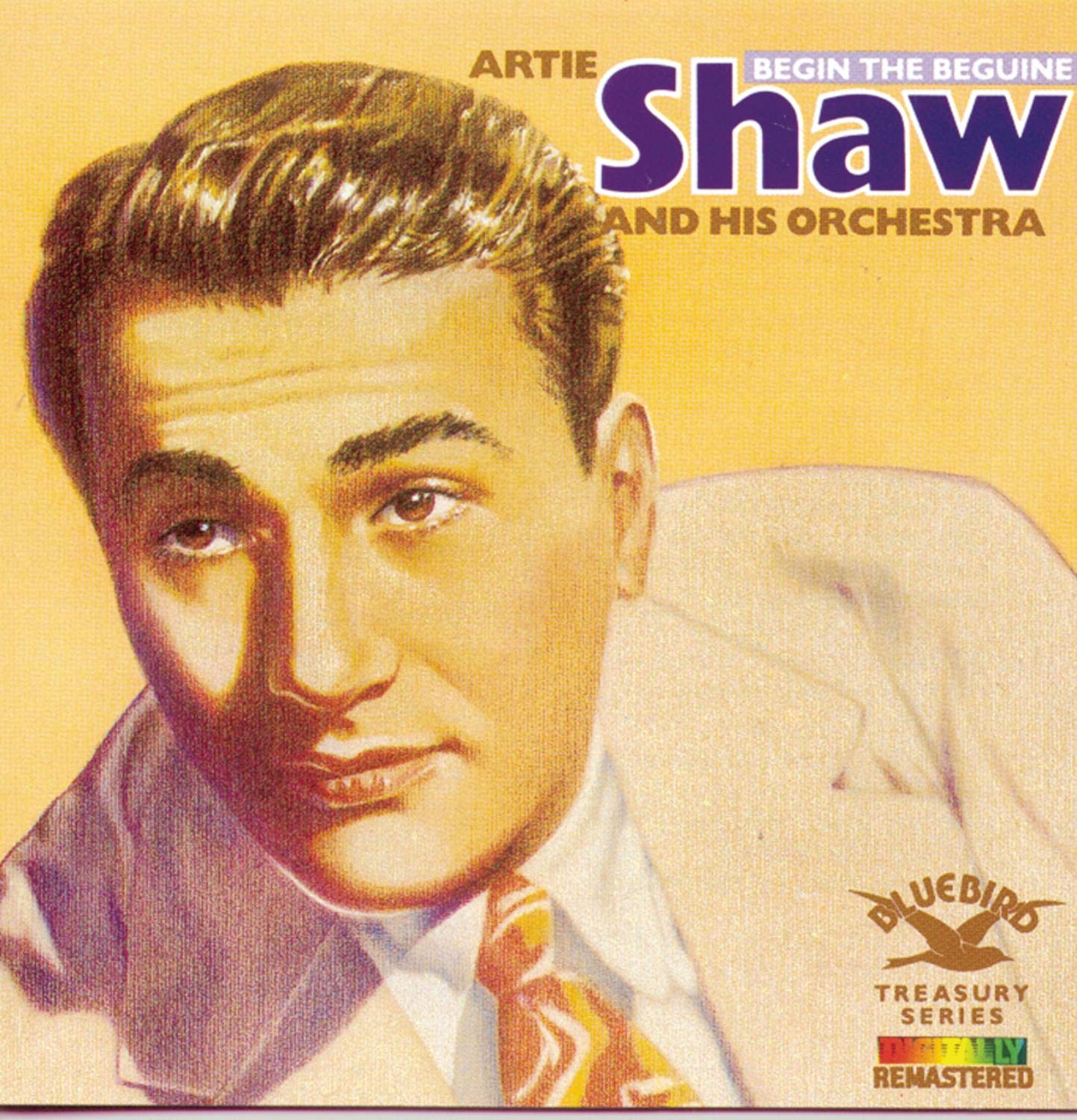
Today in Music (1938): Artie Shaw’s “Beguin the Beguine” hit #1

Begin the Beguine

Artie Shaw

Writer(s): Cole Porter (see lyrics here)


First Charted: September 3, 1938


Peak: 16 US, 12 GA (Click for codes to charts.)


Sales (in millions): 2.0 US, -- UK, 2.0 world (includes US + UK)


Airplay/Streaming (in millions): -- radio, 2.85 video, -- streaming

Awards:

Click on award for more details.

About the Song:

“Beguine” refers to a 1930s’ Cuban dance similar to a rumba. The moves, however, are slower and performed slowly and deliberately. Depending on the account one chooses to believe, songwriter Cole Porter experienced it for the first time on a luxury cruise during a stop in Martinique or a Paris dance hall frequented by Martinique imigrants. He adopted the dance’s rhythm for a big production number for Jubilee, a musical comedy which debuted in 1935. SB The show only lasted 169 performances, which reportedly didn’t upset Porter. He was, however, annoyed that people preferred “Beguine” to “Just One of Those Things,” another song from the show. He’d not anticipated “Beguine” being a hit. SB

That’s not surprising. Although “Porter was a musical master and his songs are among the cream of the musical crop,” PS “Begin the Beguine,” didn’t follow conventional hit-making wisdom. Standards typically had thirty-two measures, but “Beguine” stretched to a whopping 108, making it the longest popular song ever written. SB The piece also had a lot of words, “a chord progression that goes through several modes and keys, [and] a vocal span three steps beyond the octave.” MM

Xavier Cugat recorded the song and had a #13 hit with it in 1935. However, it was Artie Shaw’s version three years later which became a #1 PM hit and “one of the most popular jazz standards.” SB His recording came about when fans kept asking him to play it. He gave it more of a swing feel and debuted it at the Roseland State Ballroom. According to guitarist Al Avola, “The first time we played it we could just feel the vibrations. We knew it was going to be big.” SB When Shaw was contracted to record a swing version of Rudolf Friml’s “Indian Love Call,” he did so with the stipulation that he record “Beguine” as the B-side. His hunch paid off; the song became one of the largest-selling instrumental recordings by an American band. TY1

Shaw charted with it again in 1942 and Eddie Heywood and Frank Sinatra followed with charting versions in 1945 and 1946 respectively. PM The song has also been recorded by Sammy Davis Jr., the Andrews Sisters, the Flamingos, and Johnny Mathis. It was included in the 1946 Cole Porter biopic Night and Day. MM In a Billboard Disc Jockey poll, it was rated as the number 5 song of all-time. PM


Resources:


Related Links:


Last updated 10/29/2023.

Thursday, March 21, 2013

National Recording Registry Adds 25 Recordings: March 21, 2013

image from npr.org

Each year, the Library of Congress announces 25 recordings (albums, songs, radio broadcasts, and other sound recordings) to be added to its National Recording Registry. This year’s entrants are:

  1. “After You've Gone” Marion Harris (1918)
  2. Bacon, Beans and Limousines by Will Rogers (Oct. 18, 1931)
  3. “Begin the Beguine” Artie Shaw (1938)

    Begin the Beguine

  4. “You Are My Sunshine” by Jimmie Davis (1940)
  5. D-Day Radio Broadcast, George Hicks (June 5-6, 1944)
  6. “Just Because” by Frank Yankovic & His Yanks (1947)
  7. South Pacific cast album (1949)

  8. Descargas: Cuban Jam Session in Miniature by Israel "Cachao" Lopez Y Su Ritmo Caliente (1957)
  9. Tchaikovsky’s Piano Concerto No. 1 performed by Van Cliburn (April 11, 1958)
  10. President's message relayed from Atlas satellite, Dwight D. Eisenhower (Dec. 19, 1958)
  11. A Program of Song by Leontyne Price (1959)
  12. The Shape of Jazz to Come by Ornette Coleman (1959)
  13. “Crossing Chilly Jordan” by The Blackwood Brothers (1960)
  14. “The Twist” by Chubby Checker (1960)

    The Twist

  15. Old Time Music at Clarence Ashley’s by Clarence Ashley, Doc Watson, et al. (1960-1962)
  16. Hoodoo Man Blues by Junior Wells (1965)
  17. Sounds of Silence by Simon & Garfunkel (1966)
  18. Cheap Thrills by Big Brother and the Holding Company (1968)
  19. The Dark Side of the Moon by Pink Floyd (1973)

  20. Music Time in Africa by Leo Sarkisian (July 29, 1973)
  21. Wild Tchoupitoulas by The Wild Tchoupitoulas (1976)
  22. Ramones by The Ramones (1976)
  23. Saturday Night Fever soundtrack by The Bee Gees et al (1977)

  24. Einstein on the Beach by Philip Glass and Robert Wilson (1979)
  25. The Audience with Betty Carter by Betty Carter (1980)

Among this list are two songs which rank in the DMDB’s list of the Top 100 Songs of the Pre-Rock Era (“After You’ve Gone” and “Begin the Beguine”), one song which ranks in the DMDB’s list of the Top 100 Songs of the Rock Era (“The Twist”), and four albums which rank in the DMDB’s list of the Top 100 Albums of All Time (South Pacific, Dark Side of the Moon, Ramones, and Saturday Night Fever). For more information on these and other entrants in the National Recording Registry, check out the links below:


Resources and Related Links:

Friday, December 21, 1990

50 years ago: Artie Shaw’s “Frenesi” hit #1

Frenesi

Artie Shaw

Writer(s): Albert Dominguez/Ray Charles/S.K. Russell (see lyrics here)


First Charted: July 27, 1940


Peak: 113 US, 12 GA, 13 HP, (Click for codes to charts.)


Sales (in millions): 1.0 US, -- UK, 1.0 world (includes US + UK)


Airplay/Streaming (in millions): 2.0 radio, -- video, -- streaming

Awards:

Click on award for more details.

About the Song:

Artie Shaw developed a reputation during the swing era (roughly 1935-1945) as one of jazz’s finest clarinetists. He also served as a bandleader, helming five different orchestras over the years, “all of them distinctive and memorable.” AMG He got his start as a teenager with Johnny Cavallaro’s dance band in 1925 and was later associated with Willie “The Lion” Smith. He scored his first hit on his own in 1936 and hit #1 with 1938’s “Begin the Beguine.”

After that song’s success, Shaw struggled with the business of leading a band and moved to Mexico for a couple months. After his return, he recorded “Frenesi,” a song he believed was a native folk tune in the public domain. SS “With a large thirty-three piece orchestra, the thoroughly engaging Latin-flavored melody was given a brisk, swirling, very danceable arrangement in fox trot tempo.” SS It became the biggest hit of his career and one of the biggest #1 songs in chart history.

It turned out the song was not part of the public domain as Shaw thought, a mistake he says cost him a half million dollars. SS Alberto Dominguez originally wrote it for the marimba and then others adapted it as a jazz standard. WK The word “frenesi” is the Spanish equal to the word “frenzy” WK but according to the song’s lyrics, “Frenesi” means “please love me.” TY1

Shaw’s recording made it the first million-selling song by a Mexican writer. TY1 The success helped “popularize Brazilian rhythms in jazz and pop music.” DJ-60 Others who recorded the song included Les Brown, Dave Brubeck, Betty Carter, Tommy Dorsey, The Four Freshman, Eydie Gorme, Woody Herman, Earl Hines, Harry James, Glenn Miller, Cliff Richard, Linda Ronstadt, and Frank Sinatra. WK


Resources:


First posted 12/21/2011; last updated 4/5/2023.