Showing posts with label Whispering. Show all posts

Friday, December 11, 2020

Today in Music (1920): Paul Whiteman hit #1 with “The Japanese Sandman”

The Japanese Sandman

Paul Whiteman

Writer(s): Richard A. Whiting (music), Ray Egan (words) (see lyrics here)


First Charted: November 13, 1920


Peak: 12 PM, 2 GA (Click for codes to charts.)


Sales (in millions): 2.0 US, 1.0 sheet music, 3.0 total


Airplay/Streaming (in millions): -- radio, 0.29 video, -- streaming

Awards:

Click on award for more details.

About the Song:

“During the ’20s, transportation was still primitive enough that to most people the Orient was excitingly exotic and distant. Tin Pan Alley adapted authentic Far Eastern music to appeal to Americans, who accepted it as genuine.” TY2 “The song is about a sandman from Japan who exchanges yesterdays for tomorrows. By doing so…“he’ll bring you tomorrow, just to start a life anew.” WK

“The first verse of the song asks us to stretch our imaginations ‘for the moment and come with me…over the western sea.’ There we will find a Japanese lady singing a lullyaby to her baby. The chorus continues by telling us the ‘Japanese Sandman’ is ‘sneaking on with the dew’ and ‘taking ‘every sorrow of the day that is through.’ This sandman is ‘just an old second hand man trading new days for old.’” TY2

Paul Whiteman’s instrumental recording of the song was the first to chart and the most successful, reaching #1 in 1920. “The Japanese Sandman” was the flip side of “Whispering,” Whiteman’s first chart entry. The songs “established Paul Whiteman and his orchestra as major show business personalities.” TY2 Whiteman was “the most popular bandleader of the pre-swing era” PM charting more than 200 songs from 1920 to 1954. Both songs went to #1 – a feat Whiteman would accomplish thirty more times. PM

There were other charted versions by Nora Bayes (#7, 1921), Ben Selvin (#15, 1921), and Benny Goodman (#10, 1935). PM Although Whiteman’s version charted before Bayes, she first popularized the song on vaudeville. TY2 The song gained attention again in 1967 when it was featured in the movie musical Thoroughly Modern Millie, starring Julie Andrews. It has also been featured in Destination Tokyo (1940), Belles on Their Toes (1952), They Shoot Horses, Don’t They? (1969), Bringing Out the Dead (1999), and The Imaginarium of Doctor Parnassus. WK


Resources:


Related Links:


First posted 5/13/2025.

Friday, October 30, 2020

100 years ago: Paul Whiteman’s “Whispering” hit #1

Whispering

Paul Whiteman’s Orchestra

Writer(s): Vincent Rose (music), John Schonberger and Richard Coburn (lyrics) (see lyrics here)


First Charted: October 30, 1920


Peak: 111 US, 12 GA, 1 5 SM (Click for codes to charts.)


Sales (in millions): 3.0 (includes 1.0 in sheet music)


Airplay/Streaming (in millions): -- radio, 0.48 video, -- streaming

Awards:

Click on award for more details.

About the Song:

This was the debut chart single for Paul Whiteman, and what a beginning it was. The song was the second biggest hit of the year CPM and the biggest chart success of Whiteman’s career. It was the first of Whiteman’s 30 songs to go all the way to the top and helped him to become the most popular bandleader of the pre-swing era and the dominant force in American popular recording. PM “Whispering” sold over two million copies which, considering the number of record players in use then, would be the equivalent today of sales of 20 million. TY1

The Whiteman orchestra started playing the song early in 1920 in Los Angeles during a gig at the Ambassador Hotel, TY1 but Ray Miller & His Black and White Melody Boys recorded it first on July 1, 1920. WK By year’s end, Victor Records released Whiteman’s version which TY1 backed by “The Japanese Sandman” (also a #1), became the first charted version.

As was common for songs from that time, “Whispering” “has a basic stepwise melody, simple harmony, and no syncopation.” TY1 In addition, “the harmony lends itself to banjo and guitar accompaniment, and the melody encourages group singing.” TY1 In 1920, many families still carried on the pre-victrola tradition of gathering for sing-along sessions. TY1

The online All Music Guide says more than 700 different versions of the song have been recorded, including versions by Harry Belafonte, Miles Davis, Tommy Dorsey, George Gershwin, Benny Goodman, Oscar Peterson, Sonny Rollins, and Frank Sinatra. WK It has also charted in four different decades. Art Hickman and John Steel followed with top-ten versions of the song. Thirty years later, Les Paul had a million-selling, top-ten hit with his 1951 recording of the song. Unlike the original slow ballad, theirs was a rhythmic version. TY1 Gordon Jenkins also had a minor hit with it that year and then Paul Whiteman himself re-recorded the song in 1954 and took it to #29. PM The song charted again in 1964 when Nino Tempo & April Stevens took it to #11. In 1977, Dr. Buzzard’s Original “Savannah” Band hit #27 with a disco medley including the song.


Resources:


First posted 10/30/2011; last updated 1/28/2023.

Wednesday, April 22, 2020

Dave's Music Database Hall of Fame: Song Inductees (April 2020)

Originally posted 4/22/2020.

In honor of the 10th anniversary of the DMDB blog on January 22, 2019, Dave’s Music Database launched its own Hall of Fame. This is the sixth set of song inductees. These songs appear on the Dave’s Music Database list of standards. The top 100 list has been reordered based on overall DMDB points and the top ten songs not previously inducted have been included here.

American Quartet “Over There” (1917)

Inducted April 2020 as “Top Standard”

George M. Cohan’s “biggest song not written for Broadway” RCG became World War I’s most famous song. JA He penned the patriotic number after reading in the newspaper that the United States had declared war on Germany. He expanded the opening phrase of “Johnny Get Your Gun,” a popular song from 1886, into “a lyric that is both a call to arms and a vow not to come home till ‘it’s over, over there’.” RCGThe American Quartet, the Peerless Quartet, Nora Bayes, and Enrico Caruso all recorded #1 versions of the song. Read more.

Fred Astaire with Ginger Rogers & Leo Reisman’s Orchestra “Cheek to Cheek” (1935)

Inducted April 2020 as “Top Standard”

Composer Irving Berlin crafted thirteen songs which landed in Fred Astaire movies. “Cheek to Cheek,” which Berlin wrote in a day, TM was one of three to hit #1. It wasn’t just any #1, though; it “became one of Berlin’s greatest commercial successes,” TY spending more weeks atop the pop charts than any other song from 1935. WHC The song received an Academy Award nomination for best song. Read more.

Bobby Darin “Mack the Knife” (1959)

Inducted April 2020 as “Top Standard”

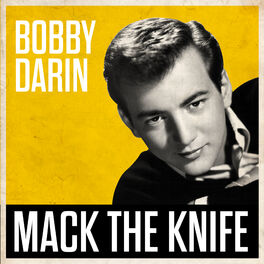
“Mack the Knife” originated in 1928 as “Moritat,” which translates to “murder deed.” RCG Bertlot Brecht and Kurt Weill wrote the original German song about “a bloodthirsty Berlin gangster” RS500 on the prowl for the musical The Three Penny Opera. Despite the song’s gruesome subject matter, the irresistible melody made the song hit-worthy. KL Instead of translating the lyrics literally, Marc Blitzstein gave the song a rewrite. SJ It became a standard, charting six times in 1956 alone, with Bobby Darin’s the biggest of all. The song transformed his image into that of “a finger-snapping sophisticate at home in the cocktail lounge.” RS500 Read more.

Al Jolson “Swanee” (1920)

Inducted April 2020 as “Top Standard”

George Gershwin may be America’s greatest songwriter. By 1919, he had already written two Broadway revues, one of which included the song “Swanee.” LW Co-writer Irving Caesar (who later wrote “Tea for Two”) persuaded his friend Al Jolson to use it in his Broadway show Sinbad. LW It became Gershwin’s first major hit and his best-selling song in terms of both sheet music and record sales. JA The song parodies Stephen Foster’s 1851 song “Old Folks at Home,” WK which came to be a symbol of freedom and emancipated slaves. Jolson performed the song in blackface, which is horrifically racist in hindsight, but was popular entertainment in the minstrel shows of the day. Read more.

Al Jolson “April Showers” (1922)

Inducted April 2020 as “Top Standard”

“April Showers” ranks as “one of America’s greatest ballads.” PS Louis Silvers composed the music and B.G. “Buddy” DeSylva wrote the lyrics. Al Jolson introduced “April Showers” in the 1921 Broadway musical, Bombo. It was his 13th #1 song and biggest hit to date PM and became “a well-known Jolson trademark.” WK Only “Sonny Boy,” from 1928, would spend more weeks on top of the chart (twelve). PM The song also became the biggest hit of 1922. WHC Read more.

Billy Murray & Haydn Quartet “Take Me Out to the Ball Game” (1908)

Inducted April 2020 as “Top Standard”

“The unofficial anthem of American baseball” RCG has been “affectionately referred to…as the ‘other’ national anthem.” SH It is “one of the most easily recognized songs in America,” SH behind only “Happy Birthday” and “The Star Spangled Banner,” SH having been sung at nearly every U.S. professional baseball game for the last 100 years. PS Surprisingly, neither the song’s composer (Albert Von Tilzer) nor lyricist (Jack Norworth) had ever seen a baseball game prior to writing the song. PS It got its start on vaudeville where Norworth’s wife, singer Nora Bayes, introduced it. JA-188 In 1908 Billy Murray’s recording of the song with the Haydn Quartet became the biggest song of the year. WHC Read more.

Peerless Quartet “Let Me Call You Sweetheart” (1911)

Inducted April 2020 as “Top Standard”

“Sweetheart” was “a tremendous hit in vaudeville” JA which “became a favourite around player pianos and community sings.” RCG It “is a straightforward declaration of love that came to be more of a sing-a-long than a ballad. Lou Friedman wrote the music in a waltzing tone while Beth Slater Whitson wrote the lyrics, [in] which he proclaims his love and asks the other to ‘whisper that you love me too.’” RCG With over 6 million sales of the sheet music, it is one of the top ten best selling sheet music songs of the first half of the century. PM Read more.

Artie Shaw “Begin the Beguine” (1938)

Inducted April 2020 as “Top Standard”

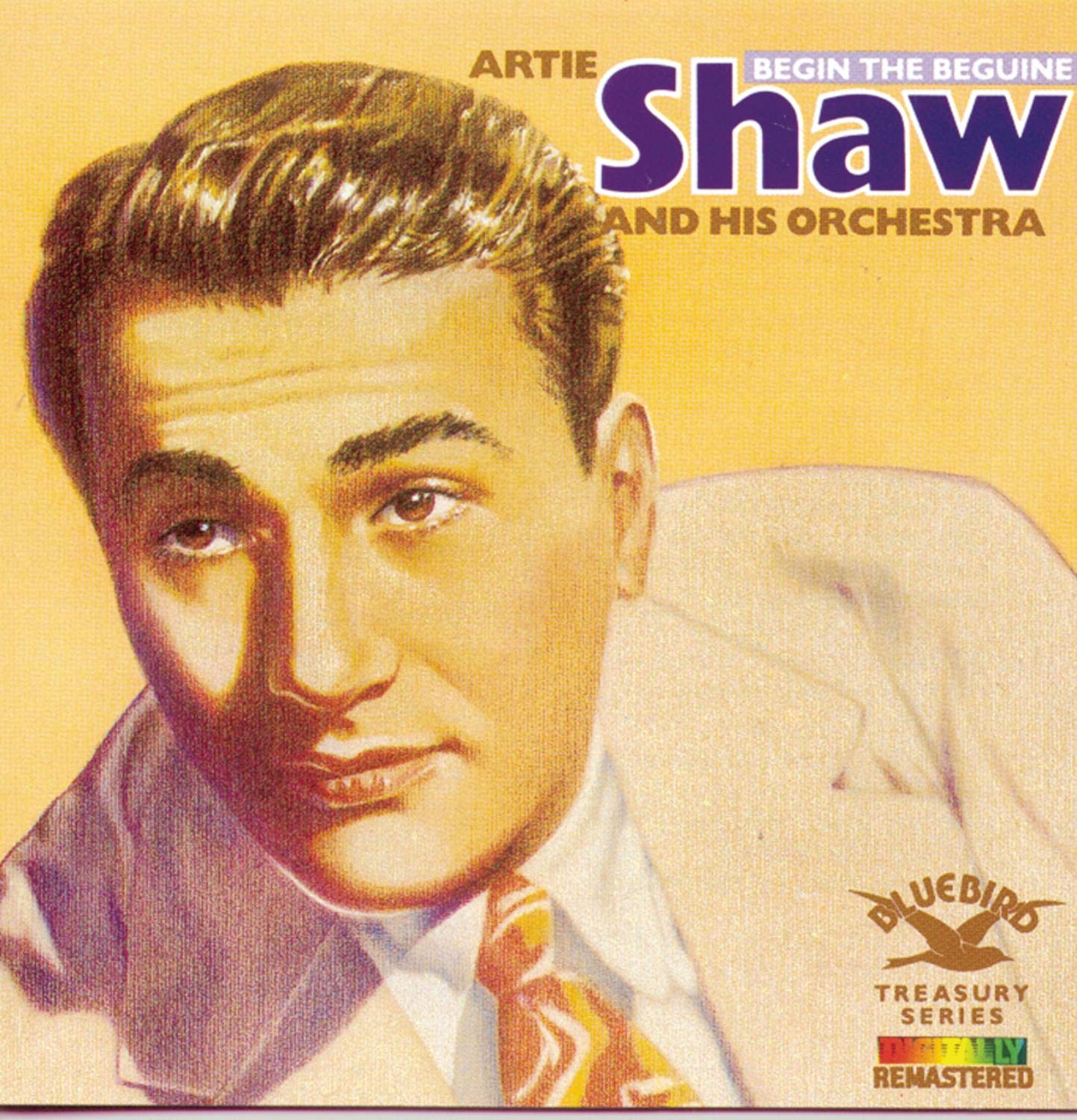
“Beguine” refers to a 1930s’ Cuban dance similar to a rumba. Depending on the account one chooses to believe, songwriter Cole Porter experienced it for the first time on a luxury cruise during a stop in Martinique or a Paris dance hall frequented by Martinique imigrants. He adopted the dance’s rhythm for a big production number for Jubilee, a musical comedy which debuted in 1935. SB Xavier Cugat had a #13 hit with it that year. However, it was Artie Shaw’s version three years later which became a #1 PM-476 and “one of the most popular jazz standards.” SB Read more.

Ethel Waters “Stormy Weather (Keeps Rainin' All the Time)” (1933)

Inducted April 2020 as “Top Standard”

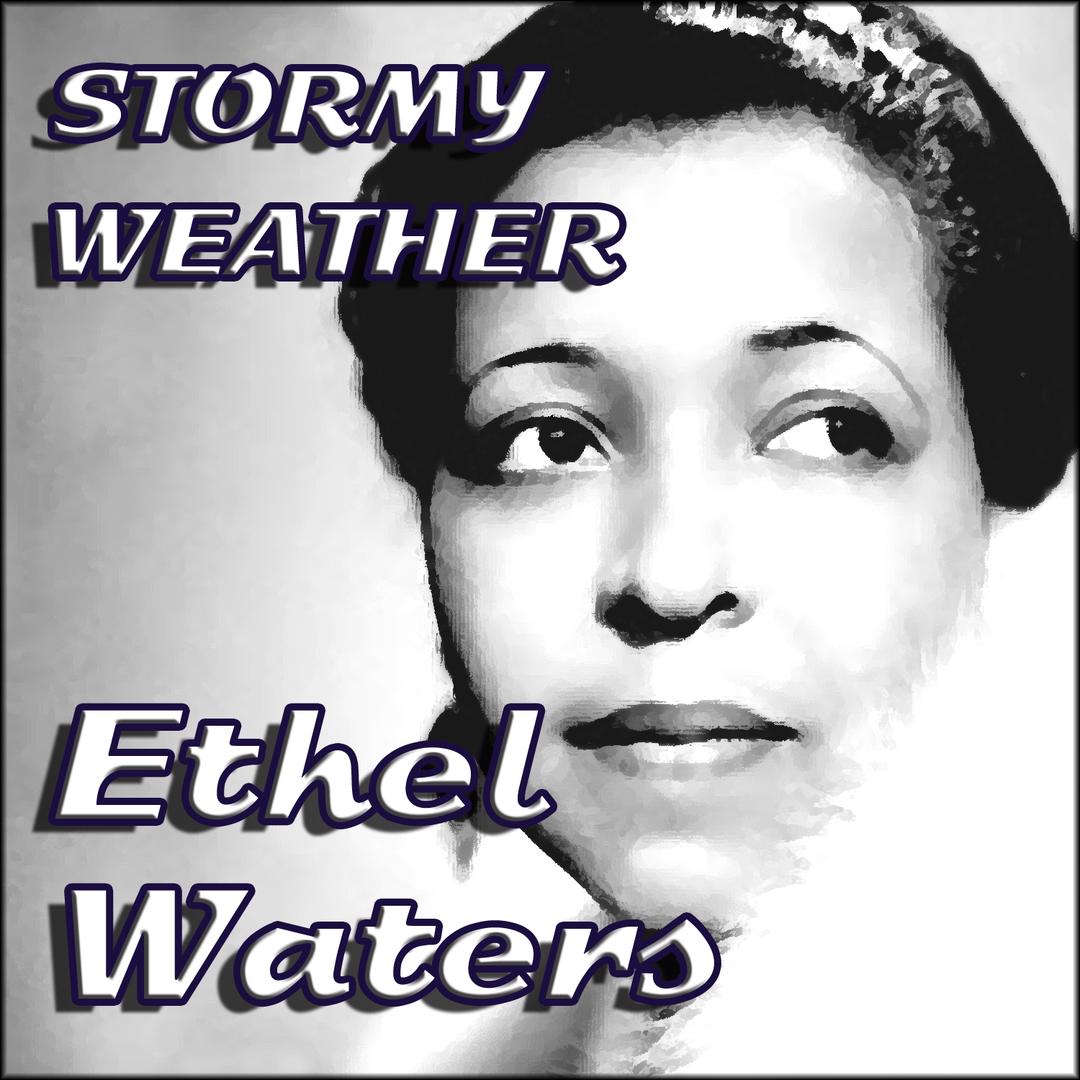
In the early 1930s, the famed Cotton Club in Harlem, New York, featured African-American performers on stage although they weren’t allowed to sit in the audience. TM Harold Arlen, a cantor’s son, and Ted Koehler wrote this “bluesy perennial” TM for Cab Calloway to introduce in a Cotton Club revue, but decided it was more fitting for a female singer and gave it to Ethel Waters. TY When she performed “Stormy Weather” in the show Cotton Club Parade, she sang it “with all her soul…expressing the anguish of people who found nothing but gloom and misery…because of the Depression.” TY Metronome magazine called it “1933’s biggest hit.” SS “It has become a cabaret standard.” JA Read more.

Paul Whiteman “Whispering” (1920)

Inducted April 2020 as “Top Standard”

This was the debut chart single for Paul Whiteman, and what a beginning it was. It was the second biggest hit of the year WHC and the biggest chart success of Whiteman’s career. It was the first of Whiteman’s 30 songs to go all the way to the top and helped him to become the most popular bandleader of the pre-swing era and the dominant force in American popular recording. PM “Whispering” sold over two million copies which, considering the number of record players in use then, would be the equivalent today of sales of 20 million. TY The online All Music Guide says more than 700 different versions of the song have been recorded, including versions to chart in four different decades. Read more.

Thursday, December 17, 2015

Paul Whiteman: A Retrospective

Paul Whiteman

A Retrospective

Overview:

Big-band leader Paul Whiteman was born on 3/28/1890 in Denver, Colorado, to musical parents. His mother was a former opera singer and his father supervised music for the Denver Public Schools for 50 years. He died 12/29/1967. The media called him "The King of Jazz" although critics said his music lacked the improvisational techniques associated with the genre. In Joel Whitburn's Pop Memories 1890-1954, he's called "the most popular bandleader of the pre-swing era."

Whiteman joined the Denver Symphony Orchestra as a viola player in 1907 and the San Francisco Symphony Orchestra in 1914. In 1918, he conducted a 12-piece U.S. Navy band. He moved to New York City in 1920 and directed groups up to 35 at a time when most dance bands consisted of 6-10 men. He worked with RCA Victor (20-28, 31-37), Columbia (28-30), and Capitol. He produced more than 600 recordings and provided music for six Broadway shows. He launched the career of Bing Crosby, who sang with the orchestra from 1925 to 1930.


Links:

Awards:

Compilations:


Top Songs

Dave’s Music Database lists are determined by song’s appearances on best-of lists as well as chart success, sales, radio airplay, streaming, and awards.

HB = Harry Barris, BC = Bing Crosby, JF = Jack Fulton, CG = Charles Gaylord, AR = Al Rinker, AY = Austin Young. Songs which hit the top of the U.S. pop charts are noted (#1). Click for codes to charts.

DMDB Top 1%:

1. Whispering (1920)
2. Ol’ Man River (w/ Paul Robeson, 1928)
3. Smoke Gets in Your Eyes (w/ Bob Lawrence, 1933)
4. Three O’Clock in the Morning (1922)
5. Rhapsody in Blue (w/ George Gershwin, 1924)
6. My Mammy (1921)
7. Valencia (A Song of Spain) (w/ Franklyn Baur, 1926)
8. What’ll I Do? (1924)
9. Lover (w/ JF, 1933)
10. The Japanese Sandman (1920)

11. Somebody Loves Me (1924)
12. The Birth of the Blues (w/ JF, CG, & AY, 1926)
13. Wang Wang Blues (1920)
14. Stumbling (1922)
15. Say It with Music (1921)
16. Among My Souvenirs (w/ JF, CG, & AY, 1928)
17. Parade of the Wooden Soldiers (1923)
18. Side by Side (w/ BC, AR, & HB, 1927)
19. Lover, Come Back to Me (w/ JF, 1929)
20. Willow, Weep for Me (w/ Irene Taylor, 1932)

DMDB Top 5%:

21. Oh, Lady Be Good (1925)
22. Linger Awhile (1924)
23. Hot Lips (He’s Got Hot Lips When He Plays Jazz) (1922)
24. Great Day (w/ BC, 1929)
25. In a Little Spanish Town (‘Twas on a Night Like This) (w/ JF, 1927)
26. You’re the Top (w/ Peggy Healy & John Hauser, 1934)
27. My Angel (Angela Mia) (w/ JF, CG, & AR, 1928)
28. Do It Again (1922)
29. I’ll Build a Stairway to Paradise (1922)
30. Bambalina (1923)

31. Without a Song (w/ BC, 1929)
32. Ol’ Man River (w/ BC, 1928)
33. My Heart Stood Still (w/ AR, JF, CG, & AY, 1928)
34. Body and Soul (w/ JF, 1930)
35. Together (w/ JF, 1928)
36. Song of India (1921)
37. Anything Goes (w/ Ramona Davies, 1934)
38. My Blue Heaven (1927)
39. Crinoline Days (1923)
40. My Romance (1936)

41. Cherie (1921)
42. Last Night on the Back Porch (w/ the American Quartet, 1923)
43. Limehouse Blues (1924)
44. You Took Advantage of Me (w/ BC, JF, CG, & AY, 1928)
45. I Love You (1924)
46. All Alone (1925)
47. Bright Eyes (1921)
48. Indian Love Call (1925)
49. Wagon Wheels (w/ Bob Lawrence, 1934)
50. April Showers (1922)

51. It All Depends on You (1927)
52. Trav’lin Light (w/ Billie Holiday, 1942)
53. Rose Marie (1925)
54. Just a Memory (1927)
55. Ramona (w/ AY, 1928)
56. All of Me (w/ Mildred Bailey, 1932)
57. Rise ‘N Shine (w/ Ramona Davies, 1933)
58. Moonlight on the Ganges (w/ AY, 1926)
59. Carolina in the Morning (1923)
60. I’m Coming, Virginia (w/ BC, AR, & HB, 1927)

61. St. Louis Blues (1926)
62. Wonderful One (1923)
63. There’s Yes! Yes! In Your Eyes (1924)
64. Manhattan (1925)
65. When It’s Sleepy Time Down South (w/ Mildred Bailey, 1931)
66. Learn to Smile (1921)
67. Charleston (1925)

DMDB Top 10%:

68. When Buddha Smiles (1922)
69. Three on a Match (w/ Red McKenzie, 1932)
70. It Had to Be You (1924)

71. When Day Is Done (1927)
72. All Through the Night (w/ Bob Lawrence, 1934)
73. Broken Hearted (Here Am I) (w/ JF, CG, & AY, 1927)
74. The Man I Love (w/ Vaughn DeLeath, 1928)
75. How Deep Is the Ocean? How High Is the Sky? (1932)
76. I Never Knew I Could Love Anybody Like I’m Loving You (1921)
77. Mandy, Make Up Your Mind (1925)
78. My Man (Mon Homme) (1921)
79. It Happened in Monterey (w/ JF, 1930)
80. I Get a Kick Out of You (w/ Ramona Davies, 1934)

81. Journey’s End (1923)
82. Let’s Put Out the Lights and Go to Sleep (w/ Red McKenzie, 1932)
83. Make Believe (w/ BC, 1928)
84. Get Out and Get Under the Moon (1928)
85. I’ll Never Be the Same (w/ Mildred Bailey, 1932)
86. Chiquita (w/ JF, 1928)
87. Dearest, You’re the Nearest to My Heart (1923)
88. Changes (w/ BC, AR, HB, JF, CG, & AY, 1928)
89. Do You Ever Think of Me? (1921)
90. That Certain Feeling (1926)

91. My Moonlight Madonna (w/ JF, 1933)
92. C-O-N-S-T-A-N-I-N-O-P-L-E (w/ AR, HB, JF, CG, & AY, 1928)
93. Farewell to Arms (w/ JF, 1933)
94. Canadian Capers (1921)
95. Way Down Yonder in New Orleans (1923)
96. I’m Just Wild About Harry (1922)
97. Whispering (new version, 1954)
98. After You’ve Gone (w/ BC, 1930)
99. Chansonette (1923)
100. You Brought a New Kind of Love to Me (w/ BC, 1930)

Masterpieces

Paul Whiteman


Recorded: 1920-1927


Released: December 17, 2015

Peak: --


Sales (in millions): --


Genre: big band jazz


Rating:

4.658 out of 5.00 (average of 5 ratings)

Awards: (Click on award to learn more).

Tracks in Chronological Order:

  • Whispering (10/30/1920, 1 PM, 1 GA, 1 SM)
  • The Japanese Sandman (11/13/20, 1 PM, 2 GA)
  • Wang Wang Blues (12/4/1920, 1 PM, 5 GA)
  • Grieving for You/Feather Your Nest (2/5/1921, 3 PM)
  • Bright Eyes (4/23/1921, 2 PM, 1 GA, 1 SM)
  • My Mammy (5/7/1921, 1 PM, 1 GA, 1 SM)
  • Say It with Music (11/21/1921, 1 PM, 1 GA, 1 SM)
  • Do It Again (6/3/1922, 1 PM, 5 GA)
  • Stumbling (7/1/1922, 1 PM, 1 GA, 1 SM)
  • Hot Lips (He’s Got Hot Lips When He Plays Jazz) (9/9/1922, 1 PM, 2 GA)
  • Three O’Clock in the Morning (11/18/1922, 1 PM, 1 GA, 1 SM)
  • I’ll Build a Stairway to Paradise (12/9/1922, 1 PM, 8 GA)
  • Nuthin’ But (recorded 3/1/1923)
  • Parade of the Wooden Soldiers (4/7/1923, 1 PM, 3 GA)
  • Wonderful One (5/19/1923, 3 PM, 2 GA)
  • Bambalina (6/2/1923, 1 PM, 1 GA, 1 SM)
  • Linger Awhile (2/16/1924, 1 PM, 1 GA, 1 SM)
  • What’ll I Do? (7/5/1924, 1 PM, 1 GA, 1 SM)
  • Somebody Loves Me (11/1/1924, 1 PM, 5 GA)
  • All Alone (1/17/1925, 1 PM, 1 GA)
  • Valencia (A Song of Spain) (6/26/1926, 1 PM, 1 GA, 1 SM)
  • The Birth of the Blues (11/20/1926, 1 PM, 6 GA)
  • My Blue Heaven (10/15/1927, 1 PM, 1 GA)


About the Album:

Although it was released after the Beatles’ 1 and Elvis Presley’s 30 #1 Hits, consider this their predecessor. Those two collections are considered the ultimate assemblages of chart-topping hits, but Paul Whiteman’s Masterpieces is right up there with them, gathering twenty songs which topped the charts decades before the rock era took hold.

Resources and Related Links:


First posted 5/13/2024.