Showing posts with label Cheek to Cheek. Show all posts

Wednesday, April 22, 2020

Dave's Music Database Hall of Fame: Song Inductees (April 2020)

Originally posted 4/22/2020.

In honor of the 10th anniversary of the DMDB blog on January 22, 2019, Dave’s Music Database launched its own Hall of Fame. This is the sixth set of song inductees. These songs appear on the Dave’s Music Database list of standards. The top 100 list has been reordered based on overall DMDB points and the top ten songs not previously inducted have been included here.

American Quartet “Over There” (1917)

Inducted April 2020 as “Top Standard”

George M. Cohan’s “biggest song not written for Broadway” RCG became World War I’s most famous song. JA He penned the patriotic number after reading in the newspaper that the United States had declared war on Germany. He expanded the opening phrase of “Johnny Get Your Gun,” a popular song from 1886, into “a lyric that is both a call to arms and a vow not to come home till ‘it’s over, over there’.” RCGThe American Quartet, the Peerless Quartet, Nora Bayes, and Enrico Caruso all recorded #1 versions of the song. Read more.

Fred Astaire with Ginger Rogers & Leo Reisman’s Orchestra “Cheek to Cheek” (1935)

Inducted April 2020 as “Top Standard”

Composer Irving Berlin crafted thirteen songs which landed in Fred Astaire movies. “Cheek to Cheek,” which Berlin wrote in a day, TM was one of three to hit #1. It wasn’t just any #1, though; it “became one of Berlin’s greatest commercial successes,” TY spending more weeks atop the pop charts than any other song from 1935. WHC The song received an Academy Award nomination for best song. Read more.

Bobby Darin “Mack the Knife” (1959)

Inducted April 2020 as “Top Standard”

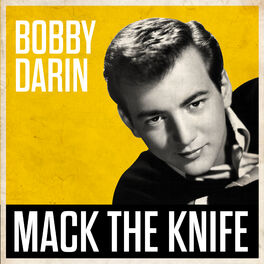
“Mack the Knife” originated in 1928 as “Moritat,” which translates to “murder deed.” RCG Bertlot Brecht and Kurt Weill wrote the original German song about “a bloodthirsty Berlin gangster” RS500 on the prowl for the musical The Three Penny Opera. Despite the song’s gruesome subject matter, the irresistible melody made the song hit-worthy. KL Instead of translating the lyrics literally, Marc Blitzstein gave the song a rewrite. SJ It became a standard, charting six times in 1956 alone, with Bobby Darin’s the biggest of all. The song transformed his image into that of “a finger-snapping sophisticate at home in the cocktail lounge.” RS500 Read more.

Al Jolson “Swanee” (1920)

Inducted April 2020 as “Top Standard”

George Gershwin may be America’s greatest songwriter. By 1919, he had already written two Broadway revues, one of which included the song “Swanee.” LW Co-writer Irving Caesar (who later wrote “Tea for Two”) persuaded his friend Al Jolson to use it in his Broadway show Sinbad. LW It became Gershwin’s first major hit and his best-selling song in terms of both sheet music and record sales. JA The song parodies Stephen Foster’s 1851 song “Old Folks at Home,” WK which came to be a symbol of freedom and emancipated slaves. Jolson performed the song in blackface, which is horrifically racist in hindsight, but was popular entertainment in the minstrel shows of the day. Read more.

Al Jolson “April Showers” (1922)

Inducted April 2020 as “Top Standard”

“April Showers” ranks as “one of America’s greatest ballads.” PS Louis Silvers composed the music and B.G. “Buddy” DeSylva wrote the lyrics. Al Jolson introduced “April Showers” in the 1921 Broadway musical, Bombo. It was his 13th #1 song and biggest hit to date PM and became “a well-known Jolson trademark.” WK Only “Sonny Boy,” from 1928, would spend more weeks on top of the chart (twelve). PM The song also became the biggest hit of 1922. WHC Read more.

Billy Murray & Haydn Quartet “Take Me Out to the Ball Game” (1908)

Inducted April 2020 as “Top Standard”

“The unofficial anthem of American baseball” RCG has been “affectionately referred to…as the ‘other’ national anthem.” SH It is “one of the most easily recognized songs in America,” SH behind only “Happy Birthday” and “The Star Spangled Banner,” SH having been sung at nearly every U.S. professional baseball game for the last 100 years. PS Surprisingly, neither the song’s composer (Albert Von Tilzer) nor lyricist (Jack Norworth) had ever seen a baseball game prior to writing the song. PS It got its start on vaudeville where Norworth’s wife, singer Nora Bayes, introduced it. JA-188 In 1908 Billy Murray’s recording of the song with the Haydn Quartet became the biggest song of the year. WHC Read more.

Peerless Quartet “Let Me Call You Sweetheart” (1911)

Inducted April 2020 as “Top Standard”

“Sweetheart” was “a tremendous hit in vaudeville” JA which “became a favourite around player pianos and community sings.” RCG It “is a straightforward declaration of love that came to be more of a sing-a-long than a ballad. Lou Friedman wrote the music in a waltzing tone while Beth Slater Whitson wrote the lyrics, [in] which he proclaims his love and asks the other to ‘whisper that you love me too.’” RCG With over 6 million sales of the sheet music, it is one of the top ten best selling sheet music songs of the first half of the century. PM Read more.

Artie Shaw “Begin the Beguine” (1938)

Inducted April 2020 as “Top Standard”

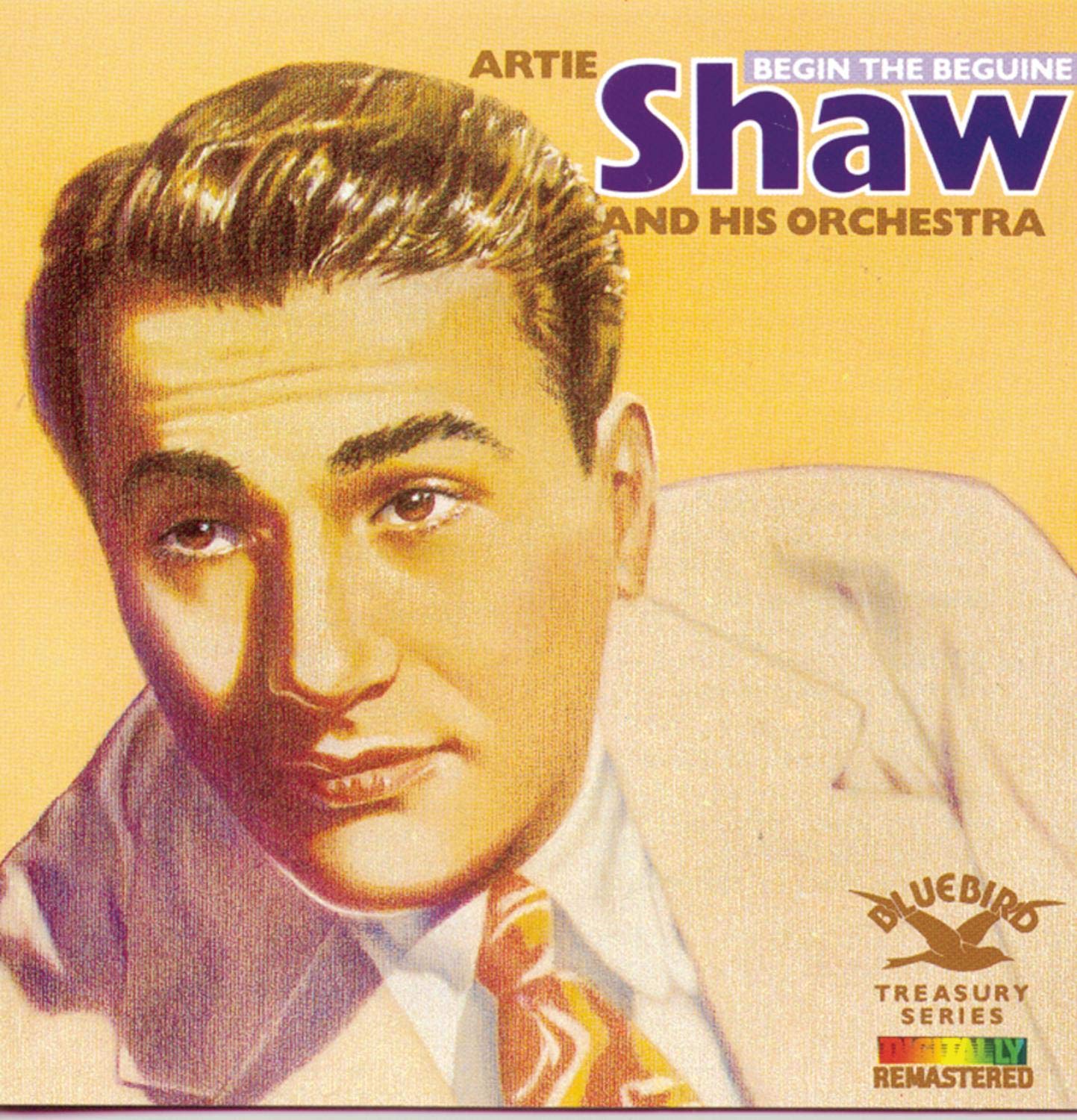
“Beguine” refers to a 1930s’ Cuban dance similar to a rumba. Depending on the account one chooses to believe, songwriter Cole Porter experienced it for the first time on a luxury cruise during a stop in Martinique or a Paris dance hall frequented by Martinique imigrants. He adopted the dance’s rhythm for a big production number for Jubilee, a musical comedy which debuted in 1935. SB Xavier Cugat had a #13 hit with it that year. However, it was Artie Shaw’s version three years later which became a #1 PM-476 and “one of the most popular jazz standards.” SB Read more.

Ethel Waters “Stormy Weather (Keeps Rainin' All the Time)” (1933)

Inducted April 2020 as “Top Standard”

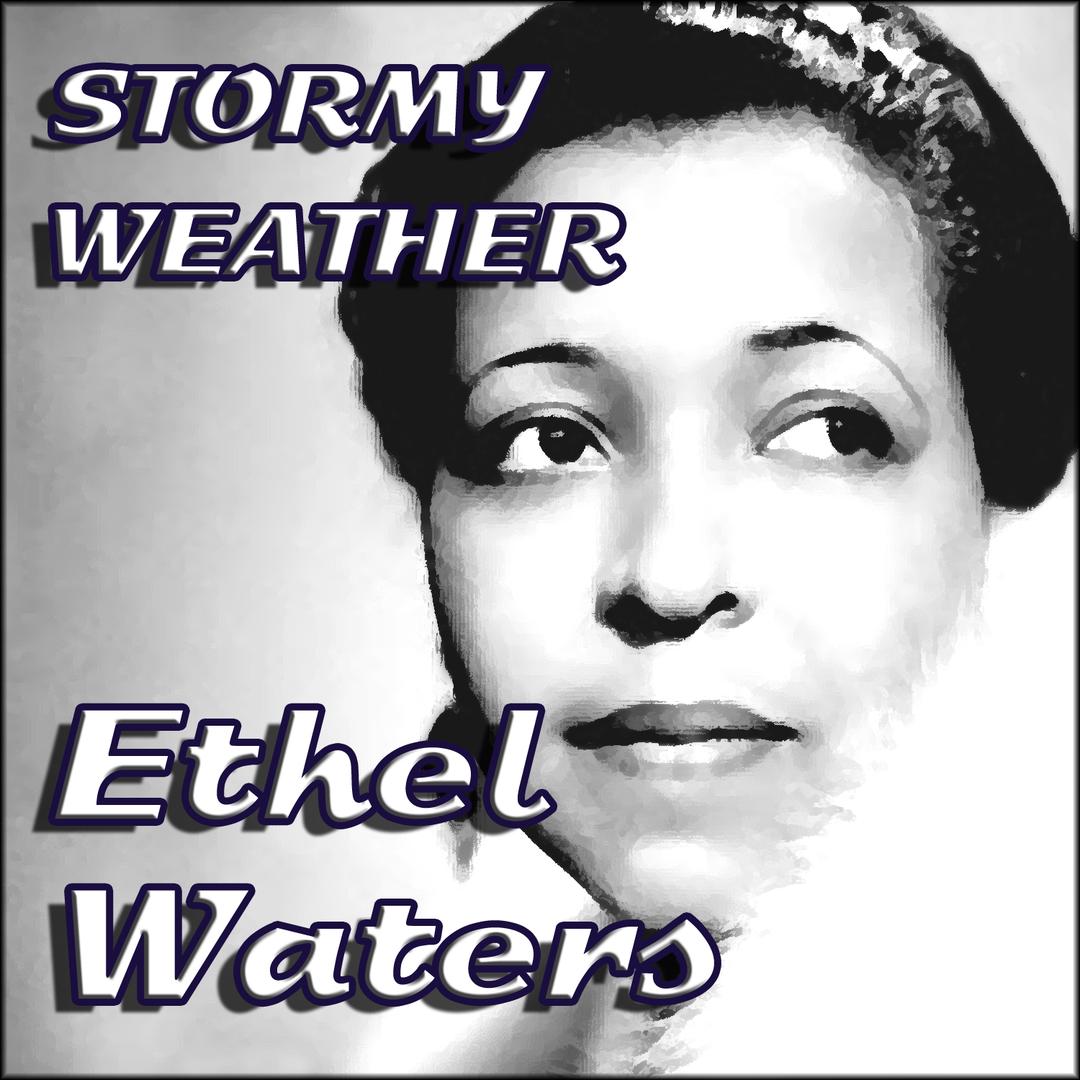
In the early 1930s, the famed Cotton Club in Harlem, New York, featured African-American performers on stage although they weren’t allowed to sit in the audience. TM Harold Arlen, a cantor’s son, and Ted Koehler wrote this “bluesy perennial” TM for Cab Calloway to introduce in a Cotton Club revue, but decided it was more fitting for a female singer and gave it to Ethel Waters. TY When she performed “Stormy Weather” in the show Cotton Club Parade, she sang it “with all her soul…expressing the anguish of people who found nothing but gloom and misery…because of the Depression.” TY Metronome magazine called it “1933’s biggest hit.” SS “It has become a cabaret standard.” JA Read more.

Paul Whiteman “Whispering” (1920)

Inducted April 2020 as “Top Standard”

This was the debut chart single for Paul Whiteman, and what a beginning it was. It was the second biggest hit of the year WHC and the biggest chart success of Whiteman’s career. It was the first of Whiteman’s 30 songs to go all the way to the top and helped him to become the most popular bandleader of the pre-swing era and the dominant force in American popular recording. PM “Whispering” sold over two million copies which, considering the number of record players in use then, would be the equivalent today of sales of 20 million. TY The online All Music Guide says more than 700 different versions of the song have been recorded, including versions to chart in four different decades. Read more.

Friday, May 11, 2012

Irving Berlin was born: May 11, 1888

image from musicradar.com

He was born Israel Isidore Baline in Tyumen, Russia on May 11, 1888. He became a renowned composer and lyricist in America. George Gershwin called him “the greatest songwriter who ever lived.” Jerome Kern said, “Irving Berlin has no place in American music – he is American music.” A 2001 Time magazine article estimated Berlin has written around 1250 songs. 25 have reached #1 on the pop charts.

He wrote 17 complete scores for Broadway musicals and revues including Call Me Madam and Annie Get Your Gun. The latter is one of the top 1000 albums of all time, was rated best album of the year by the DMDB, and is in the Grammy Hall of Fame.

Berlin’s first notable hit was in 1911 with Alexander’s Ragtime Band. While covered many times, it was Arthur Collins and Byron Harlan’s version which garnered the most praise. It ranks in the DMDB’s top 1000 songs of all time and NPR ranked it one of the most Important American musical works of the 20th century.

Alexander’s Ragtime Band

“Ragtime” was also named to the Grammy Hall of Fame, as were “Puttin’ on the Ritz” (Earl Burtnett & His Los Angeles Biltmore Hotel Orchestra with Harry Richman, 1930), “Cheek to Cheek” (Fred Astaire & Ginger Rogers with Leo Reisman’s Orchestra, 1935), “Marie” (Tommy Dorsey, 1937), “God Bless America” (Kate Smith, 1939), and “White Christmas” (Bing Crosby with the Ken Darby Singers, 1942).

Cheek to Cheek

All Told, Berlin landed 15 songs in the DMDB’s top 1000 songs of all time. In addition to the above titles are “When I Lost You” (Henry Burr, 1913), “Oh, How I Hate to Get Up in the Morning” (Arthur Fields, 1918), “A Pretty Girl Is Like a Melody” (John Steel, 1919), “What’ll I Do?” (Paul Whiteman, 1924), and “All Alone” (Al Jolson, 1925). Also rating in the elite 1000 list are “Blue Skies” (Ben Selvin, 1927), “How Deep Is the Ocean?” (Guy Lombardo with Carmen Lombardo, 1932), “Easter Parade” (Leo Reisman with Clifton Webb, 1933), and “I’ve Got My Love to Keep Me Warm” (Les Brown, 1948).

“Ragtime,” “All Alone,” and “White Christmas” all earned distinction as DMDB Songs of the Year. “Ragtime,” “Christmas,” and “Cheek to Cheek” rank amongst the the biggest #1 pop songs in U.S. chart history. “Puttin’ on the Ritz,” “Cheek,” and “Christmas” are all in the American Film Institute’s list 100 Years…100 Songs">. “God Bless America” and “Christmas” are also in the National Recording Registry.

God Bless America

Of course, no song is bigger than Berlin’s “White Christmas” as recorded by Bing Crosby. It doesn’t just rank as one of the top 100 best-selling songs in the world, but tops that list. Its 56 million in worldwide sales put it nearly 20 million ahead of its closest competition, Elton John’s “Candle in the Wind 1997.” The song went to #1 for 11 weeks in 1942 and then recharted eleven times over the next dozen years, even picking up three more weeks atop the charts. All told, it looged over 100 weeks on the pop charts over 20 Christmas seasons. Berlin , who was often insecure about his work, referred to the song not just as the best one he’d ever written, but the best anyone had ever written. LW Dave’s Music Database concurs, ranking it the #1 song of all time.

White Christmas


Awards:


Resources and Related Links:

Wednesday, May 11, 1988

Irving Berlin - Happy 100th birthday! His Top 100 Songs

Irving Berlin

Top 100 Songs

Composer and lyricist born Israel Isidore Baline, better known as Irving Berlin, was born 100 years ago today on 5/11/1888 in Tyumen, Russia. Died 9/22/1989. George Gershwin called him “the greatest songwriter who ever lived.” Jerome Kern said, “Irving Berlin has no place in American music – he is American music.” A 2001 Time magazine article estimated Berlin wrote around 1250 songs. 25 have reached #1 on the pop charts. He wrote 17 complete scores for Broadway musicals and revues including Call Me Madam and Annie Get Your Gun. See an extensive list of Berlin songs here. For a complete list of this act’s DMDB honors, check out the DMDB Music Maker Encyclopedia entry.

“Alexander’s Ragtime Band,” “Cheek to Cheek,” “Always,” “God Bless America,” “Blue Skies,” and “White Christmas” – the number 1 song of all time according to the DMDB – are featured in the DMDB book The Top 100 Songs of the Pre-Rock Era, 1890-1953.

For a complete list of this act’s DMDB honors, check out the DMDB Music Maker Encyclopedia entry.

Click here to see other acts’ best-of lists.

Awards:


Top 100 Songs


DMDB Top 1%:

1. White Christmas (Bing Crosby with the Ken Darby Singers & John Scott Trotter’s Orchestra, 1942) #1 US, HP, RB, AU
2. Alexander’s Ragtime Band (Arthur Collins & Byron Harlan, 1911) #1 US
3. Cheek to Cheek (Fred Astaire & Ginger Rogers with Leo Reisman’s Orchestra, 1935) #1 US, HP
4. Always (George Olsen with Fran Frey, Bob Rice, & Edward Joyce; 1926) #1 US
5. God Bless America (Kate Smith, 1939)
6. Blue Skies (Ben Selvin, 1927) #1 US
7. Puttin’ on the Ritz (Earl Burtnett & Harry Richman, 1930) #1 US
8. Oh, How I Hate to Get Up in the Morning (Arthur Fields, 1918) #1 US
9. A Pretty Girl Is Like a Melody (John Steel, 1919) #1 US
10. What’ll I Do? (Paul Whiteman, 1924) #1 US

11. When I Lost You (Henry Burr, 1913) #1 US
12. All Alone (Al Jolson with Ray Miller’s Orchestra, 1925) #1 US
13. How Deep is the Ocean? (Guy Lombardo with Carmen Lombardo, 1932)
14. All by Myself (Ted Lewis, 1921) #1 US
15. Say It with Music (Paul Whiteman, 1921) #1 US
16. When the Midnight Choo Choo Leaves for Alabam’ (Arthur Collins & Byron Harlan, 1913) #1 US

DMDB Top 5%:

17. Marie (Tommy Dorsey with Jack Leonard, 1937) #1 US
18. I’ve Got My love to Keep Me Warm (Les Brown, 1948) #1 US
19. Say It Isn’t So (George Olsen with Paul Small, 1932) #1 US
20. Remember (Isham Jones, 1925) #1 US

21. Mandy (Van & Schenck, 1919)
22. Easter Parade (Leo Reisman with Clifton Webb, 1933)
23. Russian Lullaby (Roger Wolfe Kahn with Henry Garden, 1927) #1 US
24. Change Partners (Fred Astaire with Ray Noble’s Orchestra, 1938) #1 US, HP
25. Let’s Take an Old-Fashioned Walk (Ada Jones & Billy Murray, 1907) #1 US
26. Top Hat, White Tie, and Tails (Fred Astaire with Johnny Greer’s Orchestra, 1935)
27. Let’s Face the Music and Dance (Fred Astaire with Johnny Greer’s Orchestra, 1936)
28. Tell Me Little Gypsy (Art Hickman, 1920)
29. I’ll See You in C-U-B-A (Billy Murray, 1920)
30. There’s No Business Like Show Business (Ethel Merman, 1946)

31. You’d Be Surprised (Eddie Cantor, 1920)
32. I Love a Piano (Billy Murray, 1916) #1 US
33. Play a Simple Melody (Billy Murray & Edna Brown, 1916)
34. Nobody Knows and Nobody Seems to Care (Irving & Jack Kaufman, 1920)
35. Doin’ What Comes Naturally (Freddy Martin with Glenn Hughes, 1946)
36. Lazy (Al Jolson with Gene Rodemich’s Orchestra, 1924)
37. This is the Life (Peerless Quartet, 1914)
38. Some Sunny Day (Marion Harris, 1922)
39. They Say It’s Wonderful (Frank Sinatra, 1946) #1 HP
40. The Song Is Ended But the Melody Lingers On (Ruth Etting, 1928)

41. Home Again Blues (Original Dixieland Jazz Band, 1921)
42. He’s a Devil in His Own Home Town (Billy Murray, 1914)
43. I’m Putting All My Eggs in One Basket (Fred Astaire with Johnny Greer’s Orchestra, 1936) #1 US
44. After You Get What You Want, You Don’t Want It (Van & Schenck, 1920)
45. They Were All Out of Step But Jim (Billy Murray, 1918)
46. I Want to Go Back to Michigan (Down on the Farm) (Eldia Morris, 1914)
47. He’s a Rag Picker (Peerless Quartet, 1915)
48. When I Leave the World Behind (Henry Burr, 1915)
49. How Many Times? (Benny Krueger, 1926)
50. Heat Wave (Glen Gray with Midred Bailey, 1933)

51. Soft Lights and Sweet Music (Fred Waring’s Pennsylvanians, 1932)
52. I Got the Sun in the Morning (Les Brown with Doris Day, 1946)
53. Let Yourself Go (Fred Astaire with Johnny Greer’s Orchestra, 1936)
54. At the Devil’s Ball (Peerless Quartet, 1913)
55. Syncopated Walk (Prince’s Orchestra, 1915)
56. You Keep Coming Back Like a Song (Dinah Shore, 1946) #1 AU
57. Pack Up Your Sins and Go to the Devil (Emil Coleman, 1923)
58. Be Careful, It’s My Heart (Bing Crosby with John Scott Trotter’s Orchestra, 1942)

DMDB Top 10%:

59. That Mysterious Rag (Arthur Collins & Albert Campbell, 1912)
60. In My Harem (Walter Van Brunt, 1913)
61. The Girl That I Marry (Eddy Howard, 1947)
62. Goodbye France (Nora Bayes, 1919)
63. Reaching for the Moon (Ruth Etting, 1931)
64. Araby (Harry MacDonough, 1916)
65. Down in Chattanooga (Arthur Collins & Byron Harlan, 1914)
66. I’m Going Back to Dixie (aka “I Want to Be in Dixie”) (Arthur Collins & Byron Harlan, 1912)
67. You’re Just in Love (Perry Como with the Fontane Sisters & Mitchell Ayres Orchestra, 1950) #1 AU
68. Isn’t This a Lovely Day to Be Caught in the Rain? (Fred Astaire with Johnny Greer’s Orchestra, 1935)
69. No Strings (Fred Astaire with Leo Reisman’s Orchestra, 1935)

DMDB Top 20%:

70. It’s a Lovely Day Today (Doris Day with George Siravo’s Orchestra, 1951)
71. Along Came Ruth (Arthur Fields, 1914)
72. From Here to Shanghai (Al Jolson with Charles Prince’s Orchestra, 1917)
73. Let’s All Be Americans Now (American Quartet, 1917)
74. Smile and Show Your Dimple (Sam Ash, 1918)
75. Somebody’s Coming to My House (1913)
76. It Only Happens When I Dance with You (Frank Sinatra, 1948)
77. Count your Blessings Instead of Sheep (Rosemary Clooney, 1954)
78. I Used to Be Color Blind (Fred Astaire with Ray Noble’s Orchestra, 1938)
79. Back to Back (Glenn Miller with Marion Hutton and Tex Beneke, 1939)
80. All of My Life (Sammy Kaye with Billy Williams, 1945)

Beyond the DMDB Top 20%:

81. Anything You Can Do (Ethel Merman & Ray Middleton, 1946)
82. Alexander’s Bag Pipe Band (1912)
83. Supper Time (1933)
84. Fools Fall in Love (1940)
85. I Got Lost in His Arms (1946)
86. The Best Thing for You Would Be Me (1950)
87. Mr. Jazz Himself (1917)
88. Over the Seas, Boys (1918)
89. You Cannot Make Your Shimmy Shake on Tea (1919)
90. Steppin’ Out with My Baby (Fred Astaire, 1947)

91. Stay Down Here Where You Belong (Henry Burr, 1915)
92. Always Treat Her Like a Baby (1914)
93. Try It on Your Piano (1910)
94. Cuddle Up (1911)
95. Dog Gone That Chilly Man (1911)
96. Sombrero Land (1911)
97. That Monkey Tune (1911)
98. When I’m Alone I’m Lonesome (1911)
99. The Monkey Doodle Doo (1913)
100. The Old Maids Ball (1913)


Resources and Related Links:


First posted 12/7/2019; last updated 6/5/2022.