Showing posts with label Over There. Show all posts

Monday, February 17, 2025

Roud Folk Song Index: Top 100 Songs

Roud Folk Song Index:

Top 100 Songs

Steve Roud created the Roud Folk Song Index which, as explained at Wikipedia, has “references to nearly 25,000 songs collected from oral tradition in the English language from all over the world.” Roud combines the Broadside Index (printed sources before 1900), all printed sources in the Child Ballads compiled by Francis James Child, and a field-recording index. More than 5000 of the titles are listed on Wikipedia. The entire database is searchable online at the Vaughn Williams Memorial Library .

This page is a ranked of the 100 highest-ranked titles in Dave’s Music Database. Only the song titles and earliest known dates of songs’ publications are listed here.

Click here to see other lists from publications and/or organizations.

1. “Over the Rainbow” (1939)
2. “St. Louis Blues” (1914)
3. “Alexander’s Ragtime Band” (1911)
4. “The House of the Rising Sun” (1933)
5. “After the Ball” (1892)
6. “Take Me Out to the Ball Game” (1908)
7. “Over There” (1917)
8. “A-Tisket, A-Tasket” (1938)
9. “Rudolph, the Red-Nosed Reindeer” (1949)
10. “When the Saints Go Marching In” (1896)

11. “Give My Regards to Broadway” (1904)
12. “Silent Night” (1818)
13. “The Star-Spangled Banner” (1814)
14. “Bill Bailey, Won’t You Please Come Home” (1902)
15. “Happy Birthday to You” (1893)
16. “The Old Folks at Home (Swanee River)” (1851)
17. “Shine on, Harvest Moon” (1908)
18. “You Made Me Love You (I Didn't Want to Do It)” (1913)
19. “All the Things You Are” (1939)
20. “Sixteen Tons” (1955)

21. “This Land Is Your Land” (1944)
22. “Jingle Bells” (1857)
23. “Amazing Grace” (1772)
24. “The Prisoner’s Song” (1925)
25. “Listen to the Mocking Bird (aka “The Mocking Bird”)” (1855)
26. “Turkey in the Straw” (1820)
27. “It’s a Long, Long Way to Tipperary” (1912)
28. “A Hot Time in the Old Town” (1896)
29. “Oh Susanna” (1846)
30. “Goodnight Irene” (1933)

31. “Home on the Range” (1873)
32. “When Johnny Comes Marching Home Again” (1863)
33. “Down by the Old Mill Stream” (1910)
34. “Dixie” (1859)
35. “Yankee Doodle” (1754)
36. “Santa Claus Is Coming to Town” (1934)
37. “My Country ‘Tis of Thee” (1832)
38. “You Are My Sunshine” (1940)
39. “The Yellow Rose of Texas” (1853)
40. “Joy to the World” (1719)

41. “Darktown Strutters’ Ball” (1917)
42. “Camptown Races (Gwine to Run All Night)” (1850)
43. “O Come All Ye Faithful (Adeste Fideles)” (1905)
44. “Auld Lang Syne” (1799)
45. “It Ain’t Gonna Rain No Mo’” (1923)
46. “Hark! The Herald Angels Sing” (1855)
47. “The Little Drummer Boy” (1958)
48. “Wabash Cannonball” (1882)
49. “Old MacDonald Had a Farm” (1706)
50. “Twinkle Twinkle Little Star” (1806)

51. “Tom Dooley” (1940)
52. “Clementine” (1863)
53. “Swing Low, Sweet Chariot” (1873)
54. “I’ve Been Working on the Railroad” (1894)
55. “O Holy Night (Minuit, Chrétiens)” (1847)
56. “On the Banks of the Wabash” (1897)
57. “The Arkansaw Traveler” (1863)
58. “The First Noel” (1823)
59. “Hello Central, Give Me Heaven” (1901)
60. “Ave Maria” (1825)

61. “Away in a Manger” (1882)
62. “My Bonnie Lies Over the Ocean” (1881)
63. “O Little Town of Bethlehem” (1868)
64. “The Man on the Flying Trapeze” (1867)
65. “She’ll Be Comin’ ‘Round the Mountain” (1899)
66. “Wildwood Flower” (1928)
67. “Jimmy Crack Corn (The Blue Tail Fly)” (1846)
68. “It Came Upon a Midnight Clear” (1850)
69. “The Battle Cry of Freedom” (1862)
70. “We Three Kings of Orient Are” (1857)

71. “Baa Baa Black Sheep” (1744)
72. “Greensleeves” (1580)
73. “Rock of Ages” (1763)
74. “Buffalo Gals (Buffalo Girls Will You Come Out Tonight)” (1844)
75. “London Bridge Is Falling Down” (1744)
76. “I'll Take You Home Again, Kathleen” (1875)
77. “On Top of Old Smoky” (1841)
78. “Danny Boy” (1913)
79. “God Rest Ye Merry Gentleman” (1760)
80. “Drill, Ye Terriers, Drill” (1888)

81. “Shenandoah” (1837)
82. “O Where, O Where Has My Little Dog Gone” (1864)
83. “Grandfather's Clock” (1876)
84. “Rock-a-Bye Baby” (1884)
85. “The Twelve Days of Christmas” (1951)
86. “Alphabet Song (The ABC Song)” (1761)
87. “Skip to My Lou” (1832)
88. “Beautiful Dreamer” (1864)
89. “Pop Goes the Weasel” (1853)
90. “Michael Row the Boat Ashore” (1867)

91. “Hail Columbia (The President’s March)” (1789)
92. “Row Row Row Your Boat” (1852)
93. “Mary Had a Little Lamb” (1830)
94. “Froggie Went a Courtin'“ (1700)
95. “Polly Wolly Doodle (All the Day)” (1843)
96. “Goodbye Dolly Gray” (1897)
97. “Among My Souvenirs” (1928)
98. “In the Sweet By-and-By” (1868)
99. “What Shall We Do with a Drunken Sailor?” (1740)
100. “Lorena” (1857)


Resources/Related Links:


First posted 2/16/2025.

Wednesday, April 22, 2020

Dave's Music Database Hall of Fame: Song Inductees (April 2020)

Originally posted 4/22/2020.

In honor of the 10th anniversary of the DMDB blog on January 22, 2019, Dave’s Music Database launched its own Hall of Fame. This is the sixth set of song inductees. These songs appear on the Dave’s Music Database list of standards. The top 100 list has been reordered based on overall DMDB points and the top ten songs not previously inducted have been included here.

American Quartet “Over There” (1917)

Inducted April 2020 as “Top Standard”

George M. Cohan’s “biggest song not written for Broadway” RCG became World War I’s most famous song. JA He penned the patriotic number after reading in the newspaper that the United States had declared war on Germany. He expanded the opening phrase of “Johnny Get Your Gun,” a popular song from 1886, into “a lyric that is both a call to arms and a vow not to come home till ‘it’s over, over there’.” RCGThe American Quartet, the Peerless Quartet, Nora Bayes, and Enrico Caruso all recorded #1 versions of the song. Read more.

Fred Astaire with Ginger Rogers & Leo Reisman’s Orchestra “Cheek to Cheek” (1935)

Inducted April 2020 as “Top Standard”

Composer Irving Berlin crafted thirteen songs which landed in Fred Astaire movies. “Cheek to Cheek,” which Berlin wrote in a day, TM was one of three to hit #1. It wasn’t just any #1, though; it “became one of Berlin’s greatest commercial successes,” TY spending more weeks atop the pop charts than any other song from 1935. WHC The song received an Academy Award nomination for best song. Read more.

Bobby Darin “Mack the Knife” (1959)

Inducted April 2020 as “Top Standard”

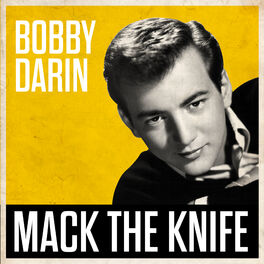
“Mack the Knife” originated in 1928 as “Moritat,” which translates to “murder deed.” RCG Bertlot Brecht and Kurt Weill wrote the original German song about “a bloodthirsty Berlin gangster” RS500 on the prowl for the musical The Three Penny Opera. Despite the song’s gruesome subject matter, the irresistible melody made the song hit-worthy. KL Instead of translating the lyrics literally, Marc Blitzstein gave the song a rewrite. SJ It became a standard, charting six times in 1956 alone, with Bobby Darin’s the biggest of all. The song transformed his image into that of “a finger-snapping sophisticate at home in the cocktail lounge.” RS500 Read more.

Al Jolson “Swanee” (1920)

Inducted April 2020 as “Top Standard”

George Gershwin may be America’s greatest songwriter. By 1919, he had already written two Broadway revues, one of which included the song “Swanee.” LW Co-writer Irving Caesar (who later wrote “Tea for Two”) persuaded his friend Al Jolson to use it in his Broadway show Sinbad. LW It became Gershwin’s first major hit and his best-selling song in terms of both sheet music and record sales. JA The song parodies Stephen Foster’s 1851 song “Old Folks at Home,” WK which came to be a symbol of freedom and emancipated slaves. Jolson performed the song in blackface, which is horrifically racist in hindsight, but was popular entertainment in the minstrel shows of the day. Read more.

Al Jolson “April Showers” (1922)

Inducted April 2020 as “Top Standard”

“April Showers” ranks as “one of America’s greatest ballads.” PS Louis Silvers composed the music and B.G. “Buddy” DeSylva wrote the lyrics. Al Jolson introduced “April Showers” in the 1921 Broadway musical, Bombo. It was his 13th #1 song and biggest hit to date PM and became “a well-known Jolson trademark.” WK Only “Sonny Boy,” from 1928, would spend more weeks on top of the chart (twelve). PM The song also became the biggest hit of 1922. WHC Read more.

Billy Murray & Haydn Quartet “Take Me Out to the Ball Game” (1908)

Inducted April 2020 as “Top Standard”

“The unofficial anthem of American baseball” RCG has been “affectionately referred to…as the ‘other’ national anthem.” SH It is “one of the most easily recognized songs in America,” SH behind only “Happy Birthday” and “The Star Spangled Banner,” SH having been sung at nearly every U.S. professional baseball game for the last 100 years. PS Surprisingly, neither the song’s composer (Albert Von Tilzer) nor lyricist (Jack Norworth) had ever seen a baseball game prior to writing the song. PS It got its start on vaudeville where Norworth’s wife, singer Nora Bayes, introduced it. JA-188 In 1908 Billy Murray’s recording of the song with the Haydn Quartet became the biggest song of the year. WHC Read more.

Peerless Quartet “Let Me Call You Sweetheart” (1911)

Inducted April 2020 as “Top Standard”

“Sweetheart” was “a tremendous hit in vaudeville” JA which “became a favourite around player pianos and community sings.” RCG It “is a straightforward declaration of love that came to be more of a sing-a-long than a ballad. Lou Friedman wrote the music in a waltzing tone while Beth Slater Whitson wrote the lyrics, [in] which he proclaims his love and asks the other to ‘whisper that you love me too.’” RCG With over 6 million sales of the sheet music, it is one of the top ten best selling sheet music songs of the first half of the century. PM Read more.

Artie Shaw “Begin the Beguine” (1938)

Inducted April 2020 as “Top Standard”

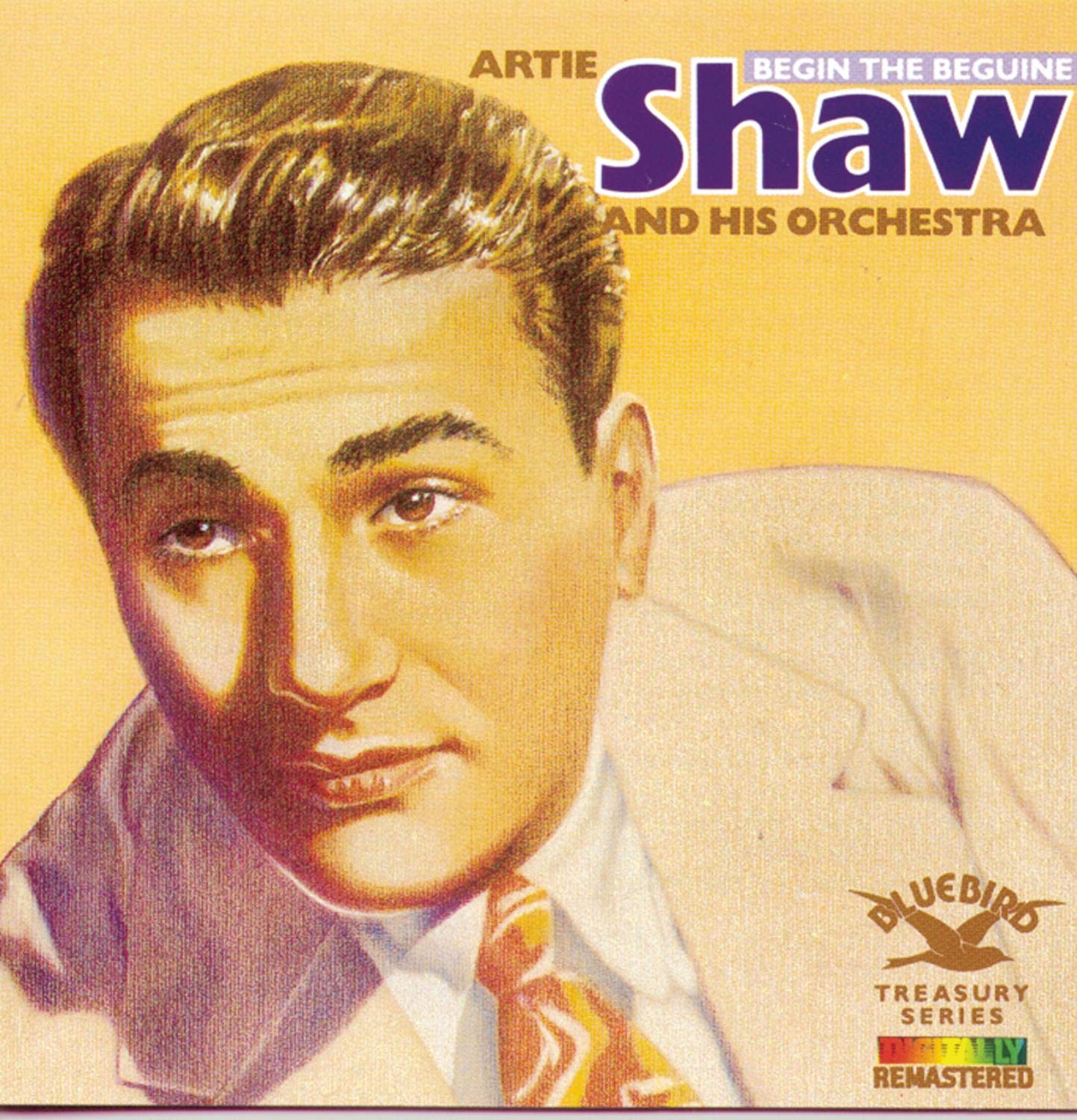
“Beguine” refers to a 1930s’ Cuban dance similar to a rumba. Depending on the account one chooses to believe, songwriter Cole Porter experienced it for the first time on a luxury cruise during a stop in Martinique or a Paris dance hall frequented by Martinique imigrants. He adopted the dance’s rhythm for a big production number for Jubilee, a musical comedy which debuted in 1935. SB Xavier Cugat had a #13 hit with it that year. However, it was Artie Shaw’s version three years later which became a #1 PM-476 and “one of the most popular jazz standards.” SB Read more.

Ethel Waters “Stormy Weather (Keeps Rainin' All the Time)” (1933)

Inducted April 2020 as “Top Standard”

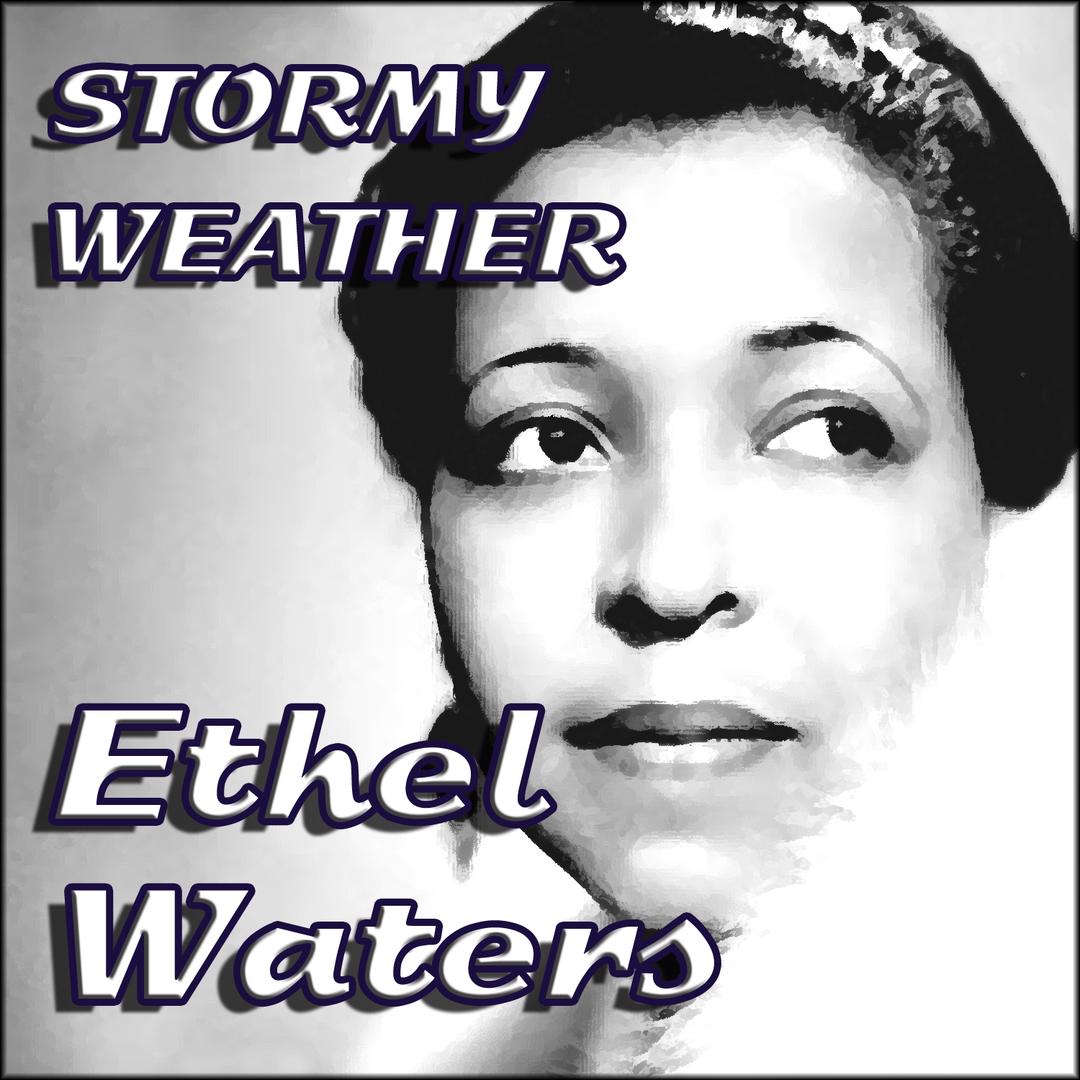
In the early 1930s, the famed Cotton Club in Harlem, New York, featured African-American performers on stage although they weren’t allowed to sit in the audience. TM Harold Arlen, a cantor’s son, and Ted Koehler wrote this “bluesy perennial” TM for Cab Calloway to introduce in a Cotton Club revue, but decided it was more fitting for a female singer and gave it to Ethel Waters. TY When she performed “Stormy Weather” in the show Cotton Club Parade, she sang it “with all her soul…expressing the anguish of people who found nothing but gloom and misery…because of the Depression.” TY Metronome magazine called it “1933’s biggest hit.” SS “It has become a cabaret standard.” JA Read more.

Paul Whiteman “Whispering” (1920)

Inducted April 2020 as “Top Standard”

This was the debut chart single for Paul Whiteman, and what a beginning it was. It was the second biggest hit of the year WHC and the biggest chart success of Whiteman’s career. It was the first of Whiteman’s 30 songs to go all the way to the top and helped him to become the most popular bandleader of the pre-swing era and the dominant force in American popular recording. PM “Whispering” sold over two million copies which, considering the number of record players in use then, would be the equivalent today of sales of 20 million. TY The online All Music Guide says more than 700 different versions of the song have been recorded, including versions to chart in four different decades. Read more.

Friday, October 13, 2017

100 years ago: The American Quartet’s “Over There” hit #1

Over There

American Quartet

Writer(s): George M. Cohan (see lyrics here)


First Charted: September 29, 1917


Peak: 19 US, 120 GA, 122 SM, 1 DF (Click for codes to charts.)


Sales (in millions): 2.0 (sheet music)


Airplay/Streaming (in millions): -- radio, 0.05 video, -- streaming

Over There

Nora Bayes


First Charted: November 3, 1917


Peak: 13 US, 120 GA (Click for codes to charts.)


Sales (in millions): 1.0 US, 2.0 (sheet music)


Airplay/Streaming (in millions): -- radio, 0.18 video, -- streaming

Awards (American Quartet version):


Awards (Nora Bayes’ version):

About the Song:

George M. Cohan’s “biggest song not written for Broadway” RCG became World War I’s most famous song. DJ He penned the patriotic number after reading in the newspaper that the United States had declared war on Germany. He expanded the opening phrase of “Johnny Get Your Gun,” a popular song from 1886, into “a lyric that is both a call to arms and a vow not to come home till ‘it’s over, over there’.” RCG

Cohan himself introduced the song at Ft. Myers to an audience of soldiers, but it had little impact. However, the response was “overwhelming” when Charles King sang it at the New York City’s Hippodrome Theatre for a Red Cross Benefit. RCG

For the official recording of the song, Cohan specifically requested Nora Bayes. NRR She was a popular vaudeville and Broadway star and former member of the Ziegfeld Follies. NRR She introduced it at a Red Cross war-bond rally, DJ added it to her vaudeville act, and then recorded it. It sold over a million copies RCG and hit #1.

She wasn’t the first to chart with the song, however. In fact, the American Quartet and the Peerless Quartet took it to #1 before she did. The American Quartet’s version was the biggest hit of 1917. CPM The following year, Enrico Caruso also recorded a chart-topping version PM giving “Over There” and “Peg O’ My Heart” the distinction of being the only two songs in history to top the charts four times. Billy Murray and Prince’s Orchestra also recorded top 10 versions of the song.


Resources:


Related Links:


First posted 9/29/2011; last updated 3/20/2023.