Showing posts with label After the Ball. Show all posts

Saturday, November 29, 2025

1890-1899: Top 100 Songs

Top 100 Songs of the Decade:

1890-1899

These are the songs which kicked off the recorded music era and the debut of charts to track the popularity of songs. Often a song’s popularity in this era had more to do with sheet music than specific recorded performances by individual artists. As such, there are multiple songs repeated here.

Rankings are figured by combining sales figures, chart data, airplay, awards, and appearances on best-of lists.

Check out other “songs of the decade” lists here.

DMDB Top 1%:

1. Katharine Lee Bates (lyrics) & Samuel A. Ward (music) “America the Beautiful” (1895)
2. George J. Gaskin “After the Ball” (1893)
3. James M. Black & Katharine E. Purvis (songwriters) “When the Saints Go Marching In” (1896)
4. Arthur Collins “Hello Ma Baby” (1899)
5. Patty S. Hill & Mildred J. Hill (composers) “Happy Birthday to You” (1893)
6. Scott Joplin “Maple Leaf Rag” (1899)
7. Billy Golden “Turkey in the Straw” (1891)
8. John Philip Sousa “The Stars and Stripes Forever” (1897)
9. Dan Quinn “Daisy Bell (A Bicycle Built for Two)” (1893)
10. Len Spencer “Ta-Ra-Ra Boom-De-Ay” (1892)

11. Dan Quinn “A Hot Time in the Old Town” (1896)
12. “I’ve Been Working on the Railroad” (1894)
13. Dan Quinn “The Sidewalks of New York” (1895)
14. Dan Quinn “The Band Played On” (1895)
15. Edison Male Quartette “My Old Kentucky Home” (1898)
16. George J. Gaskin “On the Banks of the Wabash” (1897)
17. Frank Kidson (first published by) “Scarborough Fair” (1891)
18. traditional “She’ll Be Coming ‘Round the Mountain” (1899)
19. John Yorke Atlee “Listen to the Mocking Bird (aka “The Mocking Bird”)” (1891)
20. Len Spencer “The Old Folks at Home (Swanee River)” (1892)

21. U.S. Marine Band “The Washington Post March” (1890)
22. Dan Quinn “At a Georgia Camp Meeting” (1898)
23. traditional “Red River Valley” (1896)
24. Silas Leachman “Dem Golden Slippers” (1894)
25. Vess Ossman “Yankee Doodle (aka ‘Yankee Doodle Went to Town’)” (1894)
26. Albert Campbell “My Wild Irish Rose” (1899)
27. Len Spencer “Hello Ma Baby” (1899)
28. Len Spencer “Mr. Johnson, Turn Me Loose” (1897)
29. John Yorke Atlee “After the Ball” (1893)
30. George J. Gaskin “Drill, Ye Terriers, Drill” (1891)

31. George Washington Johnson “The Laughing Song” (1891)
32. George J. Gaskin “Break the News to Mother” (1898)
33. U.S. Marine Band “Semper Fidelis” (1890)

DMDB Top 2%:

34. Arthur Collins “I’d Leave My Happy Home for You” (1899)
35. Jules Levy “My Country ‘Tis of Thee” (1893)
36. Len Spencer “A Hot Time in the Old Town” (1897)
37. George J. Gaskin “Oh Promise Me” (1893)
38. George J. Gaskin “My Old New Hampshire Home” (1898)
39. George J. Gaskin “The Fatal Wedding” (1893)
40. Gilmore’s Band “The Star-Spangled Banner” (1892)

41. Sousa’s Band “El Capitan March” (1895)
42. J.W. Myers “The Sidewalks of New York” (1895)
43. Dan Quinn “In the Baggage Coach Ahead” (1896)
44. George J. Gaskin “The Sidewalks of New York” (1895)
45. Tom Turpin (writer) “Harlem Rag” (1897)
46. Steve Porter “On the Banks of the Wabash” (1898)
47. United States Marine Band “The Liberty Bell” (1894)
48. Dan Quinn “The Little Lost Child” (1895)
49. J.W. Myers “Just Tell Them That You Saw Me” (1895)
50. Len Spencer “Smoky Mokes” (1899)

51. James Thornton (music/lyrics) “When You Were Sweet Sixteen” (1898)
52. George J. Gaskin “Sweet Rosie O’Grady” (1897)
53. George J. Gaskin “Down in Poverty Row” (1896)
54. John Yorke Atlee “Home Sweet Home” (1891)
55. U.S. Marine Band “The Thunderer” (1890)
56. Arthur Collins “I Guess I'll Have to Telegraph My Baby” (1899)
57. Dan Quinn “Curse of the Dreamer” (1899)
58. George Washington Johnson “The Whistling Coon” (1891)
59. Bill Dooley “Frankie and Johnny” (1899)
60. Vess Ossman “Yankee Doodle (aka ‘Yankee Doodle Went to Town’)” (new version, 1897)

61. George J. Gaskin “My Wild Irish Rose” (1899)
62. Eubie Blake “Charleston Rag” (1899)
63. George J. Gaskin “A Hot Time in the Old Town” (1897)
64. Sousa’s Band “The Star-Spangled Banner” (1898)
65. Len Spencer “The Bully (aka ‘Dat New Bully’)” (1895)
66. Emile Berliner “Twinkle Twinkle Little Star” (1890)
67. Len Spencer “Carry Me Back to Old Virginny” (1893)
68. Dan Quinn “Daddy Wouldn’t Buy Me a Bow Wow” (1892)
69. Edward M. Favor “Say Au Revoir, But Not Goodbye” (1894)
70. Manhansett Quartette “Sally in Our Alley” (1892)

71. Len Spencer “You’ve Been a Good Old Wagon But You’ve Done Broke Down” (1896)
72. Edward M. Favor “Daisy Bell (A Bicycle Built for Two)” (1894)
73. J.W. Myers “Goodbye Dolly Gray” (1897)
74. Emile Berliner “Auld Lang Syne” (1890)
75. Sousa’s Band “The Washington Post March” (1895)
76. Harry MacDonough & S.H. Dudley “Mid the Green Fields of Virginia” (1899)
77. Issler’s Orchestra “Tiger Rag” (1895)
78. Vess Ossman “At a Georgia Camp Meeting” (1898)
79. George J. Gaskin “Sweet Marie” (1894)
80. J.W. Myers “Two Little Girls in Blue” (1893)

81. Vess Ossman “Whistling Rufus” (1899)
82. Russell Hunting “Michael Casey Taking the Census” (1892)
83. Roger Harding “On the Banks of the Wabash” (1898)
84. Russell Hunting “Michael Casey at the Telephone” (1892)
85. Joe Belmont “Listen to the Mocking Bird (aka “The Mocking Bird”)” (1899)
86. Billy Golden “Bye Bye My Honey” (1898)
87. Len Spencer “My Gal Is a High-Born Lady” (1897)
88. Charles Marsh “Throw Him Down, McCloskey” (1892)
89. George J. Gaskin “The Sunshine of Paradise Valley” (1896)
90. George J. Gaskin “She Was Bred in Old Kentucky” (1898)

91. George J. Gaskin “She May Have Seen Better Days” (1896)
92. William F. Hooley “Gypsy Love Song (Slumber on, My Little Gypsy Sweetheart)” (1899)
93. Dan Quinn “The Bowery” (1893)

DMDB Top 5%:

94. Russell Hunting “Michael Casey As a Physician” (1891)
95. Dan Quinn “And Her Golden Hair Was Hanging Down Her Back” (1894)
96. Manhansett Quartette “The Picture Turned to the Wall” (1892)
97. Manhansett Quartette “The Old Oaken Bucket” (1894)
98. Dan Quinn “My Mother Was a Lady” (1897)
99. Thomas Bott “Love’s Old Sweet Song” (1892)
100. Steve Porter “My Creole Sue” (1899)


Resources/Related Links:


First posted 7/27/2018; last updated 11/29/2025.

Monday, February 17, 2025

Roud Folk Song Index: Top 100 Songs

Roud Folk Song Index:

Top 100 Songs

Steve Roud created the Roud Folk Song Index which, as explained at Wikipedia, has “references to nearly 25,000 songs collected from oral tradition in the English language from all over the world.” Roud combines the Broadside Index (printed sources before 1900), all printed sources in the Child Ballads compiled by Francis James Child, and a field-recording index. More than 5000 of the titles are listed on Wikipedia. The entire database is searchable online at the Vaughn Williams Memorial Library .

This page is a ranked of the 100 highest-ranked titles in Dave’s Music Database. Only the song titles and earliest known dates of songs’ publications are listed here.

Click here to see other lists from publications and/or organizations.

1. “Over the Rainbow” (1939)
2. “St. Louis Blues” (1914)
3. “Alexander’s Ragtime Band” (1911)
4. “The House of the Rising Sun” (1933)
5. “After the Ball” (1892)
6. “Take Me Out to the Ball Game” (1908)
7. “Over There” (1917)
8. “A-Tisket, A-Tasket” (1938)
9. “Rudolph, the Red-Nosed Reindeer” (1949)
10. “When the Saints Go Marching In” (1896)

11. “Give My Regards to Broadway” (1904)
12. “Silent Night” (1818)
13. “The Star-Spangled Banner” (1814)
14. “Bill Bailey, Won’t You Please Come Home” (1902)
15. “Happy Birthday to You” (1893)
16. “The Old Folks at Home (Swanee River)” (1851)
17. “Shine on, Harvest Moon” (1908)
18. “You Made Me Love You (I Didn't Want to Do It)” (1913)
19. “All the Things You Are” (1939)
20. “Sixteen Tons” (1955)

21. “This Land Is Your Land” (1944)
22. “Jingle Bells” (1857)
23. “Amazing Grace” (1772)
24. “The Prisoner’s Song” (1925)
25. “Listen to the Mocking Bird (aka “The Mocking Bird”)” (1855)
26. “Turkey in the Straw” (1820)
27. “It’s a Long, Long Way to Tipperary” (1912)
28. “A Hot Time in the Old Town” (1896)
29. “Oh Susanna” (1846)
30. “Goodnight Irene” (1933)

31. “Home on the Range” (1873)
32. “When Johnny Comes Marching Home Again” (1863)
33. “Down by the Old Mill Stream” (1910)
34. “Dixie” (1859)
35. “Yankee Doodle” (1754)
36. “Santa Claus Is Coming to Town” (1934)
37. “My Country ‘Tis of Thee” (1832)
38. “You Are My Sunshine” (1940)
39. “The Yellow Rose of Texas” (1853)
40. “Joy to the World” (1719)

41. “Darktown Strutters’ Ball” (1917)
42. “Camptown Races (Gwine to Run All Night)” (1850)
43. “O Come All Ye Faithful (Adeste Fideles)” (1905)
44. “Auld Lang Syne” (1799)
45. “It Ain’t Gonna Rain No Mo’” (1923)
46. “Hark! The Herald Angels Sing” (1855)
47. “The Little Drummer Boy” (1958)
48. “Wabash Cannonball” (1882)
49. “Old MacDonald Had a Farm” (1706)
50. “Twinkle Twinkle Little Star” (1806)

51. “Tom Dooley” (1940)
52. “Clementine” (1863)
53. “Swing Low, Sweet Chariot” (1873)
54. “I’ve Been Working on the Railroad” (1894)
55. “O Holy Night (Minuit, Chrétiens)” (1847)
56. “On the Banks of the Wabash” (1897)
57. “The Arkansaw Traveler” (1863)
58. “The First Noel” (1823)
59. “Hello Central, Give Me Heaven” (1901)
60. “Ave Maria” (1825)

61. “Away in a Manger” (1882)
62. “My Bonnie Lies Over the Ocean” (1881)
63. “O Little Town of Bethlehem” (1868)
64. “The Man on the Flying Trapeze” (1867)
65. “She’ll Be Comin’ ‘Round the Mountain” (1899)
66. “Wildwood Flower” (1928)
67. “Jimmy Crack Corn (The Blue Tail Fly)” (1846)
68. “It Came Upon a Midnight Clear” (1850)
69. “The Battle Cry of Freedom” (1862)
70. “We Three Kings of Orient Are” (1857)

71. “Baa Baa Black Sheep” (1744)
72. “Greensleeves” (1580)
73. “Rock of Ages” (1763)
74. “Buffalo Gals (Buffalo Girls Will You Come Out Tonight)” (1844)
75. “London Bridge Is Falling Down” (1744)
76. “I'll Take You Home Again, Kathleen” (1875)
77. “On Top of Old Smoky” (1841)
78. “Danny Boy” (1913)
79. “God Rest Ye Merry Gentleman” (1760)
80. “Drill, Ye Terriers, Drill” (1888)

81. “Shenandoah” (1837)
82. “O Where, O Where Has My Little Dog Gone” (1864)
83. “Grandfather's Clock” (1876)
84. “Rock-a-Bye Baby” (1884)
85. “The Twelve Days of Christmas” (1951)
86. “Alphabet Song (The ABC Song)” (1761)
87. “Skip to My Lou” (1832)
88. “Beautiful Dreamer” (1864)
89. “Pop Goes the Weasel” (1853)
90. “Michael Row the Boat Ashore” (1867)

91. “Hail Columbia (The President’s March)” (1789)
92. “Row Row Row Your Boat” (1852)
93. “Mary Had a Little Lamb” (1830)
94. “Froggie Went a Courtin'“ (1700)
95. “Polly Wolly Doodle (All the Day)” (1843)
96. “Goodbye Dolly Gray” (1897)
97. “Among My Souvenirs” (1928)
98. “In the Sweet By-and-By” (1868)
99. “What Shall We Do with a Drunken Sailor?” (1740)
100. “Lorena” (1857)


Resources/Related Links:


First posted 2/16/2025.

Friday, April 22, 2022

Dave's Music Database Hall of Fame: Song Inductees (April 2022)

Originally posted 4/22/2022.

In honor of the 10th anniversary of the DMDB blog on January 22, 2019, Dave’s Music Database launched its own Hall of Fame. This is the 14th set of song inductees. These are taken from the Dave’s Music Database list of the top 100 Tin Pan Alley songs of all time. Five songs in the top 10 of that list have been previously inducted: “Alexander’s Ragtime Band,” “Take Me Out to the Ball Game,” “Shine on, Harvest Moon,” “Some of These Days,” and “Let Me Call You Sweetheart.” The other five songs in the top 10 are being inducted as well as the top five highest-ranked songs in Dave’s Music Database which appear on the Tin Pan Alley list.

Ben Bernie with Scrappy Lambert & Billy Hillpot “Ain’t She Sweet” (1927)

Inducted April 2022 as “Top Tin Pan Alley Songs”

“Ain’t She Sweet” and “Happy Days Are Here Again,” both written by Milton Ager and Jack Yellen, became symbols of the Roaring Twenties, WK a time when “stubbornly determined American resilience and optimism in the face of hard times.” SS Lou Gold and His Orchestra recorded “Ain’t She Sweet” first on January 17, 1927, SH but the most successful recording was made 11 days later SH by Ben Bernie and His Roosevelt Orchestra. PM Read more.

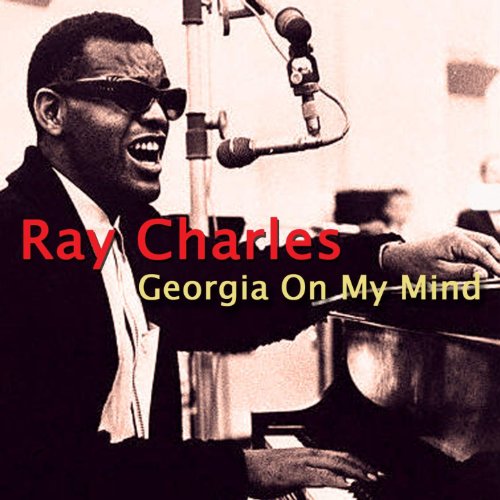
Ray Charles “Georgia on My Mind” (1960)

Inducted April 2022 as “Top Tin Pan Alley Songs”

Hoagy Carmichael, who critic Dave Marsh called “the most blues-inspired writer Tin Pan Alley produced,” DM co-wrote the song back in 1930 and was one of the first to record it. MM Over the years, there were multiple recordings and chart versions of the song. However, it is Ray Charles’ soulful version which has become the most beloved and most successful. It was his driver, Tommy Brown, who suggested Charles record the song when he heard his boss crooning the song in the car. DM Read more.

Bing Crosby with George Stoll’s Orchestra “Pennies from Heaven” (1936)

Inducted April 2022 as “Top Tin Pan Alley Songs”

This was the biggest pop hit from 1936. CPM Bing sang it in the film of the same name and garnered an Academy Award nomination for the song. Presumably, the lyrics are intended to “evoke a sense of optimism in difficult times, assuring the listener that when it rains, ‘There’ll be pennies from heaven for you and me.’” BF However, in the introductory verse, listeners are warned that they may have to atone for their ancestors’ failure to appreciate the better things in life. “Storms may bring us fortune, but with that fortune we must buy what we used to get for free.” BF Read more.

George J. Gaskin “After the Ball” (1893)

Inducted April 2022 as “Top Tin Pan Alley Songs”

Charles K. Harris saw two lovers get in a fight at a dance and was inspired to write a song in which an old man explains to his niece that he never married after seeing his sweetheart kissing another man at a ball. He finds out years later it was her brother. SS It was the first song to sell a million copies of sheet music, SF eventually racking up five million and becoming the best seller in Tin Pan Alley’s history. WK George J. Gaskin and John Yorke Atlee recorded the song. The former was a #1 for 10 weeks. Read more.

Haydn Quartet “In the Good Old Summertime” (1903)

Inducted April 2022 as “Top Tin Pan Alley Songs”

Comedian Ren Shields and black-faced minstrel George “Honey Boy” Evans were inspired to write “the signature song for summer” PS by a trip to the beach with singer-actress Blanche Ring. TY2 Evans remarked that he liked “the good old summertime.” Shields said it would make a great song title. He worked up lyrics and Evans improvised a basic melody. RA Ring performed it on Broadway. RA Then J.W. Myer included the song in his vaudeville act RCG and took it to #1, as did the Haydn Quartet and Sousa’s Band. The Haydn Quartet’s version ranked as Billboard’s song of the year in 1903. CPM Read more.

Al Jolson with Prince’s Orchestra “You Made Me Love You (I Didn’t Want to Do It)” (1913)

Inducted April 2022 as “Top Tin Pan Alley Songs”

For this song, James Monaco, an immigrant from Italy, collaborated with lyricist Joe McCarthy who wrote for Broadway shows in the 1920s and ‘30s. LW It is a “skillfully crafted lyric that perfectly matches its bluesy melody, and suited Jolson’s…capacity for melodrama.” LW This song “was identified with him for the rest of his career.” JA Read more.

Isham Jones “It Had to Be You” (1924)

Inducted April 2022 as “Top Tin Pan Alley Songs”

“This is one of the high points in Tin Pan Alley era songwriting” RCG and “one of the most enduringly popular ballads of the 1920s.” SS-589 Unlike many of its Great American Songbook counterparts, “this effortless classic” RCG didn’t “put love and lovers on a pedestal.” TM It was a sophisticated song “with grown-up, often witty lyrics that have stood the test of time.” LW The “perennial nightclub favorite” JA charted six times in 1924 alone. Interestingly, the most successful version of the song is an instrumental version by Isham Jones. Read more.

The Mills Brothers “Paper Doll” (1942)

Inducted April 2022 as “Top Tin Pan Alley Songs”

“Paper Doll”, a song about preferring a paper doll to the far more fickle real-life versions, TY1 was written in 1915 and wasn’t published until 1930. WK The songwriter, Johnny S. Black, died six years before it even charted. The song also marked a revival for the Mills Brothers who had been suffering from declining sales for years. WK It hit #1 in 1943 and went on to sell six million copies and become one of the ten best sellers of the first half of the century. PM Read more.

The Original Dixieland Jazz Band “The Darktown Strutters’ Ball” (1917)

Inducted April 2022 as “Top Tin Pan Alley Songs”

Shelton Brooks was inspired to write “Ball” by a 1915 social gathering during the Panama Pacific International Exposition he attended in San Francisco. SS Sophie Tucker introduced it on vaudeville. SS In 1917, the Original Dixieland Jazz Band recorded an instrumental version which reached #2 and was named to the Grammy Hall of Fame. In 1972, it was one of ten songs named to the Songwriters Hall of Fame as an historic standard. SS Read more.

Kate Smith “God Bless America” (1939)

Inducted April 2022 as “Top Tin Pan Alley Songs”

Irving Berlin originally wrote this song in 1918 while serving in the Army, intending it for a 1918 revue called Yip, Yip, Yaphank. WK However, Berlin shelved the song, considering it inappropriate for the comedic musical. SF Two decades later, Kate Smith, asked Berlin to write something new for her radio show on Armistice Day. TY1 He revived “God Bless America,” TY1 updating the lyrics to make it a peace song SF taking the form of a prayer. WK It became Smith’s signature song. Read more.

Friday, March 1, 2019

Glenn Weiser Favorite 19th Century American Songs

Glenn Weiser:

Favorite 19th Century American Songs

Glenn Weiser’s book Favorite 19th Century American Songs for Fingerstyle Guitar covers 47 songs. The book doesn’t rank the songs but I have created a ranking by looking at how many other lists the songs are featured on. Publication years for songs and the songwriters are indicated, but no specific artist is attached to each song.

Click here to see other lists from critics and individuals and here to see other lists from publications and/or organizations

  1. The Battle Hymn of the Republic (aka ‘Glory! Glory! Hallelujah!’)” (1861) by Julia Ward Howe & William Steffe
  2. The Star-Spangled Banner” (1814) by Francis Scott Key & John Stafford Smith
  3. Home on the Range” (1873) by Dr. Brewster M. Higley & Daniel E. Kelly
  4. Oh! Susanna” (1847) by Stephen Foster
  5. After the Ball” (1892) by Charles K. Harris
  6. Dixie” (1859) by Daniel Decatur Emmett
  7. Camptown Races (Gwine to Run All Night)” (1850) by Stephen Foster
  8. Daisy Bell (A Bicycle Built for Two)” (1892) by Hary Dacre
  9. Swing Low, Sweet Chariot” (1873) by Wallace Willis, arranged by Henry Thacker Burleigh
  10. “What a Friend We Have in Jesus” (1868) by Joseph M. Scriven, Hatius Bonar, & Charles Crozat Converse

  11. The Old Folks at Home (Swanee River)” (1851)
  12. Home Sweet Home” (1823) by John Howard Payne, arranged by Sir Henry Rowley Bishop
  13. My Old Kentucky Home” (1853) by Stephen Foster
  14. Jimmy Crack Corn (The Blue Tail Fly)” (1846) by Daniel Decatur Emmett
  15. The Sidewalks of New York” (1894) by Charles B. Lawlor & James W. Blake
  16. “The Battle Cry of Freedom” (1862) by Geoge Frederick Root
  17. “Carry Me Back to Old Virginny” (1878) by James A. Bland
  18. “The Man on the Flying Trapeze” (1867) by Alfred Lee & George Leybourne The Band Played On (1895) by Charles B. Ward & John F. Palmer
  19. Listen to the Mocking Bird (aka
  20. “The Mocking Bird”)” (1856) by Septimus Winner (as Alice Hawthorne) & Richard Milburn

  21. “Grandfather’s Clock” (1876) by Henry C. Work
  22. “I Dream of Jeannie with the Light Brown Hair” (1854) by Stephen Foster
  23. “Joshua Fit the Battle of Jericho” (1865) traditional
  24. “Lorena” (1857) by Rev. Henry David Webster & Joseph Philbick Webster
  25. “Dem Golden Slippers” (1879) by James A. Bland
  26. “Go Down Moses (Let My People Go)” (1861) traditional
  27. “When You and I Were Young, Maggie” (1866) by George W. Johnson & J.A. Butterfield
  28. “Tenting on the Old Campground” (1864) by Walter Kittredge
  29. “Tramp! Tramp! Tramp” (1864) by Geoge Frederick Root
  30. “Darling Nellie Gray” (1856) by Benjamin Russell Hanby

  31. “Old Black Joe” (1860) by Stephen Foster
  32. “The Wayfaring Stranger” (1858) unknown
  33. “Simple Gifts” (1848) by Joseph Brackett
  34. “Follow the Drinking Gourd” (1860) by Epe Sargent & Henry Russell
  35. “There’s a Tavern in the Town” (1883) anonymous
  36. “Marching Through Georgia” (1865) by Henry Clay Work
  37. “Hard Times Come Again No More” (1854) by Stephen Foster
  38. “Deep River” (1867) arranged by Harry Thacker Burleigh
  39. “Gentle Annie” (1856) by Stephen Foster & Lame Jack Cousens
  40. “Massa’s in the Cold, Cold Ground” (1852) by Stephen Foster

  41. “Kingdom Coming” (1862) by Henry Clay Work
  42. “The Rose of Alabama” (1846) by S.S. Steele/anonymous
  43. “Aloha Oe (Farewell to Thee)” (1924) by H.M. Queen Liliuokalani
  44. “Keep Your Hand on the Plow” (1917) unknown
  45. “Old Uncle Ned” (1848) by Stephen Foster
  46. “Sweet Hour of Prayer” (1845) by William W. Walford
  47. “Ring de Banjo” (1851) by Stephen Foster

Resources/Related Links:


First posted 12/22/2025.

Friday, March 14, 1997

William Studwell The Americana Song Reader

William Studwell:

The Americana Song Reader

This book by William Studwell was published in 1997. Amazon.com describes it as “an entertaining and informative collection of over 130 historical essays on various American and foreign songs that have had a significant impact on U.S. popular culture.” The book is divided into sections including dancing songs, marching songs, rural and western songs, songs that excite or amuse, songs that soothe or bring tears, children’s songs, circus songs, drinking songs, and college songs.

There is no ranking of the songs in the book, but I have created a top 100 ranking by putting the songs in order based on their overall status in Dave’s Music Database.

Click here to see other lists from critics and individuals and here to see other lists from publications and/or organizations.


1. “Take Me Out to the Ball Game” (1908) 2. “After the Ball” (1892)
3. “Meet Me in St. Louis, Louis” (1904)
4. “When the Saints Go Marching In” (1880)
5. “The Old Folks at Home (Swanee River)” (1851)
6. “The Yellow Rose of Texas” (1853)
7. “Happy Birthday to You” (1893)
8. “Oh! Susanna” (1846)
9. “Home on the Range” (1873)
10. “Rhapsody in Blue” (1924)

11. “Turkey in the Straw” (1820)
12. “Listen to the Mocking Bird (aka “The Mocking Bird”)” (1855)
13. “Home Sweet Home” (1823)
14. “Daisy Bell (A Bicycle Built for Two)” (1892)
15. “Camptown Races (Gwine to Run All Night)” (1850)
16. “Auld Lang Syne” (1799)
17. “I’ve Been Working on the Railroad” (1894)
18. “The Sidewalks of New York” (1894)
19. “The Band Played On” (1895)
20. “Carry Me Back to Old Virginny” (1893)

21. “Old MacDonald Had a Farm” (1706)
22. “My Old Kentucky Home” (1853)
23. “Twinkle Twinkle Little Star” (1806)
24. “The Entertainer” (1902)
25. “Clementine” (1884)
26. “I’m Always Chasing Rainbows” (1918)
27. “Jimmy Crack Corn (The Blue Tail Fly)” (1846)
28. “Rock-a-Bye Baby” (1884)
29. “My Wild Irish Rose” (1899)
30. “Stein Song (University of Maine)” (1910)

31. “The Man on the Flying Trapeze” (1867)
32. “The Arkansaw Traveler” (1863)
33. “Beautiful Ohio” (1918)
34. “Buffalo Gals (Will You Come Out Tonight)” (1844)
35. “Row, Row, Row Your Boat” (1852)
36. “Red River Valley” (1896)
37. “Mary Had a Little Lamb” (1830)
38. “The Missouri Waltz (Hush-a-Bye Ma Baby)” (1914)
39. “Beautiful Dreamer” (1864)
40. “I Dream of Jeannie with the Light Brown Hair” (1854)

41. “I’ll Take You Home Again, Kathleen” (1875)
42. “For He’s a Jolly Good Fellow” (1709)
43. “Three Blind Mice” (1609)
44. “Indiana” (1917)
45. “The Little Brown Jug” (1869)
46. “Brahms’ Lullaby (Wiegenlied)” (1868)
47. “Sing a Song of Sixpence” (1790)
48. “The Hokey Pokey” (1826)
49. “Drink to Me Only with Thine Eyes” (1762)
50. “The Whiffenpoof Song” (1909)

51. “Here We Go Round the Mulberry Bush” (1842)
52. “Nobody Knows the Trouble I’ve Seen” (1867)
53. “Vive la Compagnie (Vive l’Amour)” (1818)
54. “Git Along Little Dogies (Whoopee, Ti Yi Yo)” (1893)
55. “Give Me That Old Time Religion” (1965)
56. “Maryland, My Maryland!” (1861)
57. “The Streets of Laredo” (1911)
58. “Simple Gifts” (1848)
59. “William Tell Overture” (1829)
60. “Chopsticks” (1877)

61. “While Strolling Through the Park One Day (The Fountain in the Park)” (1884)
62. “The Blue Danube Waltz” (1867)
63. “The Big Rock Candy Mountain” (1928)
64. “Reuben and Rachel” (1871)
65. “March of the Toys” (1903)
66. “Jesse James” (1919)
67. “An American in Paris” (1929)
68. “The Merry Widow Waltz (I Love You So)” (1907)
69. “The Anvil Chorus” (1853)
70. “Mississippi Mud” 1927)

71. “Invitation to the Dance (Aufforderung Zum Tanze)” (1821)
72. “Sabre Dance” (1948)
73. “Romeo and Juliet” (1871)
74. “Flying Dutchman Overture” (1844)
75. “Green Grow the Lilacs” (1800)
76. On Wisconsin!” (1909)
77. “The Hearse Song (The Worm Crawls in, the Worm Crawls Out)” (1796)
78. “Drinking Song” (1953)
79. “Humoresque” (1894)
80. “Sleeping Beauty Waltz” (1890)

81. “There Is a Tavern in This Town” (1883)
82. “Flight of the Bumblebee” (1940)
83. “Slaughter on Tenth Avenue” (1936)
84. “1812 Overture” (1880)
85. “Can Can” (1858)
86. “A Night on Bald Mountain” (1887)
87. “Dance of the Hours” (1905)
88. “Funeral March of a Marionette” (1879)
89. “Grand Canyon Suite” (1932)
90. Tales from the Vienna Woods” (1868)

91. “Light Cavalry Overture (Leichte Cavallerie)” (1869)
92. “Far Above Cayuga’s Waters” (1870)
93. “The Sorcerer's Apprentice (L’Apprenti Sorcier)” (1897)
94. “Toreador Song” (1875)
95. “Ride of the Valkyies” (1856)
96. “Hungarian Rhapsody No. 2” (1921)
97. “Over the Waves” (1916)
98. “99 Bottles of Beer on the Wall” (1928)
99. “How Dry I Am” (1919)
100. “Peter and the Wolf” (1937)


Resources/Related Links:


First posted 12/9/2025.

Thursday, April 29, 1993

On This Day (1893): George J. Gaskin hit #1 with “After the Ball”

After the Ball

George J. Gaskin

Writer(s): Charles K. Harris (see lyrics here)


Published: 1891


First Charted: April 29, 1893


Peak: 110 US (Click for codes to charts.)


Sales (in millions): 5.0 (sheet music)


Airplay/Streaming (in millions): -- radio, 0.13 video, -- streaming

Awards (Gaskin):

Click on award for more details.

Awards (John Yorke Atlee):

Click on award for more details.

About the Song:

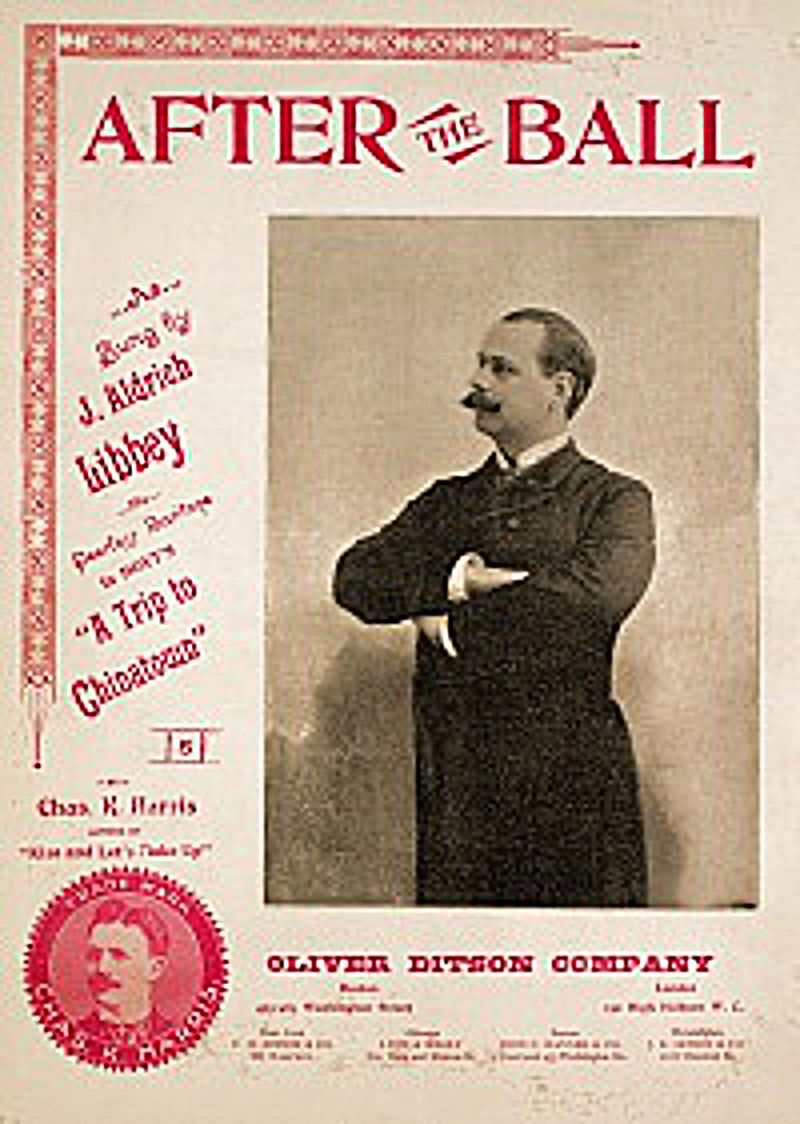
Charles K. Harris wrote this classic waltz in 1891 for an amateur minstrel show in Milwaukee, Wisconsin. The first time it was performed, the singer, Sam Doctor, forgot the words and the song made a poor impression. PG However, Harris believed in the song and paid well-known performer J. Aldrich Libbey to include it in his A Trip to Chinatown show. SS It grew in popularity and John Philip Sousa and his band performed it daily at the World’s Fair in Chicago in 1893. PG That same year, George J. Gaskin and John Yorke Atlee recorded the song. The former was a #1 for 10 weeks while the latter peaked at #2. It was the fourth chart-topper for Gaskin, who was known as “The Silve-Voiced Tenor.” He had a total of 19 songs reach the peak from 1891 to 1901. It was one of only three chart hits for Atlee. PM

In the song, an old man explains to his niece that he never married after seeing his sweetheart kissing another man at a ball. He left, and refusing to hear her explanation, WK only to find out years later that it was her brother. SS Harris got the idea from a dance in Chicago where he saw two lovers get in a fight and leave separately. SF

The song “exemplifies the sentimental ballads published before 1920, whose topics were frequently babies, separation, and death.” WK It has “a memorable, tearjerking chorus in the form of a story constructed for middle-class ladies to learn on their parlour pianos.” LW It “is sometimes credited with beginning the commercial exploitation of popular music.” SF Before 1893, most songs became regional hits and then word spread, but the aggressive marketing behind “After the Ball” set a new standard. SS It was the first song to sell a million copies of sheet music, SF eventually racking up five million and becoming the best seller in Tin Pan Alley’s history. WK Tin Pan Alley was the name given to a group of 19th century and early 20th century music publishers and songwriters in New York City.

The song resurfaced in 1927 when it was used in the groundbreaking musical Show Boat. Norma Terris performed it during its original Broadway run and Irene Dunne performed it for the 1936 film version. It was made into a film again in 1951 and performed by Kathryn Grayson. WK In 1940, it was featured in the biographical musical film Lillian Russell and performed by Alice Faye. WK It has also been performed by Nat “King” Cole, Bing Crosby, Guy Lombardo, Julie London, and Lawrence Welk. WK


Resources:


First posted 4/15/2021; last updated 9/6/2023.