Showing posts with label Buddy Holly. Show all posts

Saturday, February 3, 2024

Today in Music (1959): The Day the Music Died

February 3, 1959

The Day the Music Died

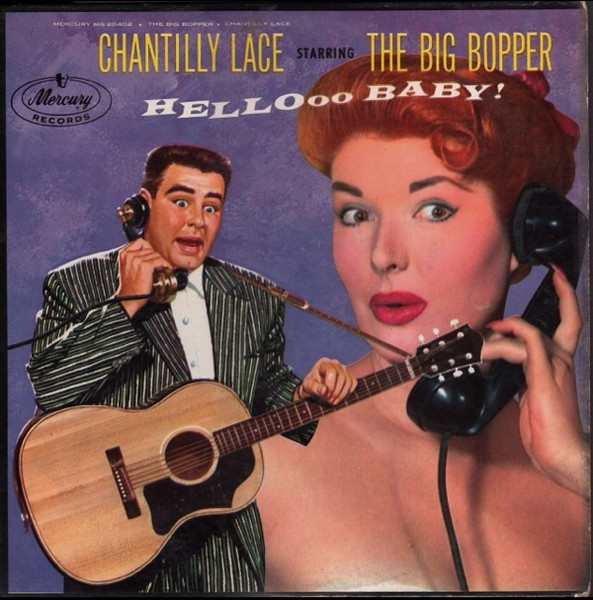
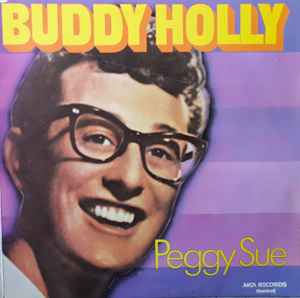
At the onset of 1959, Buddy Holly, J.P. “The Big Bopper” Richardson, and Ritchie Valens were three of the biggest rockers around. Holly had scored hits like “That’ll Be the Day” and “Peggy Sue.” Richardson’s biggest hit was the top 10 “Chantilly Lace” and Valens, only 17, was just getting started with his #2 hit “Donna” and the iconic “La Bamba.”

Along with Dion & the Belmonts, the trio of rockers embarked on a Winter Dance Party Tour set to hit 24 Midwestern cities over three weeks. On February 2, they performed at the Surf Ballroom in Clear Lake, Iowa. Holly was frustrated with the unheated tour bus and needed extra time to do laundry so he chartered a plane for himself and his bandmates Waylon Jennings and Tommy Alsup. However, Jennings gave up his seat to Richardson who had the flu, and Alsup lost a coin toss with Valens. Jennings, later of country music fame, joked with Holly, “I hope your ol’ plane crashes.” Jennings has said the words haunted him the rest of his life. WK

The Beechcraft Bonanza plane, piloted by Roger Peterson, departed around 1am and crashed less than 6 miles outside of the airport. Everyone died instantly. The crash was attributed to poor weather conditions and pilot error. Peterson was still testing on-flight instrumentation and had not been certified to fly in weather that required sole reliance on the instruments.

Don McLean famously eulogized the event in his hit 1972 #1 hit “American Pie” as “the day the music died.” It has been called “the first and greatest tragedy rock and roll has ever suffered.” WK


Spotify Podcast:

Check out the Dave’s Music Database podcast episode February 3, 1959: The Day the Music Died which highlights four of the songs mentioned in this post.


Resources:


First posted 2/3/2012; updated 2/3/2024.

Friday, October 27, 2023

Aural Fixation: What Is Rock and Roll?

Aural Fixation:

What Is Rock and Roll?

Aural Fixation” is a music-themed column I wrote for PopMatters.com from 2011-2013. They are no longer online there, but I have reformatted them here at the DMDB blog with additional videos, photos, and links, such as where to buy referenced albums. I have also used the title “Aural Fixation” for any essays I have written outside of PopMatters.com as well. To see the essays, check out the Dave’s Music Database Aural Fixation page. You can also purchase the essays in book format here.

Read the comments section of any Facebook post from the Rock and Roll Hall of Fame and you’ll be hammered with incessant whining about who has been overlooked for induction and, more annoyingly, who has been inducted that doesn’t belong. I challenged – politely, I might add – one of these complainers to offer his definition of rock and roll. This perfectly reasonable request worked him into a frenzy involving name-calling, trolling my Facebook page, and bashing hip-hop. You know what he didn’t do? Define rock and roll.

He isn’t alone in his hell-bent agenda to play gate keeper for admission to the rock and roll big top. His inability to explain his vetting criteria, sadly, is par for the course. The arguments are generally no more sophisticated than “rap isn’t rock and roll” or “well, you know it when you hear it.”

To be fair, the reason these self-appointed rock purists can’t offer a perfect definition is that one doesn’t exist. Rock and roll is generally defined as a genre which emerged out of the 1950s as an amalgam of R&B, country, blues, gospel, folk, and other genres. It is typically associated with a gravelly-voiced lead singer spitting out simple melodies and lyrics backed by electrically-amplified instruments such as guitar alongside a heavy beat provided by drums and bass.

However, the wheels then start falling off immediately. Let’s look at the very first class of Rock and Roll Hall of Fame inductees in 1986, which included architects of the genre such as Elvis Presley, Chuck Berry, and Buddy Holly. Would anyone argue they aren’t rock and roll? Of course not. Let’s key in on Elvis for a moment, however. He cranked out undisputed classics of the genre with songs like “Hound Dog,” “Don’t Be Cruel,” “Heartbreak Hotel,” and “Jailhouse Rock.”

Let’s analyze a few of his biggest post-‘50s songs, however. “It’s Now Or Never” was based on the Italian operatic song “O Sole Mio” from the 1890s. “Are You Lonesome Tonight” was a traditional pop ballad which originated in the 1920s. “Crying in the Chapel” was a country gospel song first recorded in 1953. These are just three songs by the undisputed King of Rock and Roll which taken individually might not fit the conventional idea of rock and roll.

How rigid are we going to be in adhering to the idea that rock is a guitar-driven genre? The first class of inductees included Jerry Lee Lewis and Little Richard whose instrument of choice was piano. Is anyone going to say “Great Balls of Fire” and “Tutti Frutti” aren’t quintessential rock songs?

Let’s analyze two other inductees that year – Jimmie Rodgers and Robert Johnson. The former has been called the Father of Country Music and the latter is a blues legend. The Hall sent an important message from the onset – rock music doesn’t exist in a vacuum. It was born – and continues to grow – out of multiple genres.

In the decades since the emergence of rock and roll, it became such a dominant force in shaping commercial music that the term “rock” became almost synonymous with the term “pop.” That means rock has absorbed pretty much every popular trend in music for roughly three quarters of a century.

So what can we conclude? Rock and roll is driven by guitar. Or not. It focuses on upbeat songs from the 1950s and later. Or not. It is a separate entity from other genres. Or not. The problem in defining any genre of music is there are no absolutes. Rock and roll, in fact, may defy boundaries more than any other genre. Part of its character since its infancy is its rebellious nature, its proclivity for not sticking to the rules. Whining and complaining about something not fitting into one’s conventional ideas is about as un-rock-and-roll as it gets.


For more essays, check out the Dave’s Music Database Aural Fixation page.

Resources and Related Links:


First posted 10/27/2023.

Sunday, October 23, 2022

The Birth of Rock and Roll: The Top 100 Songs

Rock ‘n’ Roll’s Origins:

Top 100 Songs

The initial intent behind this list was to pinpoint a few key candidates in the birth of rock and roll. As one can see by the multiple resources at the bottom of this page (which includes an entire box set and book devoted to the topic), there is no definitive agreement. In addition, efforts to create a list of candidates for first rock song so regularly crossed over with lists of early rock and roll songs that this became an amalgamation of the two. In other words, this evolved from not just a look at the birth of rock and roll but a glimpse of its “toddler years,” if you will, as well. That leaves it up to you, the reader, to form your own opinions aout which songs are the most important in the early development of rock and roll.

Click here to see other genre-specific song lists.

  1. Bill Haley & the Comets “We’re Gonna Rock Around the Clock” (1954)
  2. Jackie Brenston & His Delta Cats “Rocket 88” (1951)
  3. Chuck Berry “Johnny B. Goode” (1958)
  4. Little Richard “Tutti Frutti” (1955)
  5. Elvis Presley “That’s All Right, Mama” (1954)
  6. Jerry Lee Lewis “Whole Lotta Shakin’ Goin’ On” (1957)
  7. Wynonie Harris “Good Rockin’ Tonight” (1948)
  8. Carl Perkins “Blue Suede Shoes” (1956)
  9. Elvis Presley “Hound Dog” (1956)
  10. Big Joe Turner “Shake, Rattle, and Roll” (1954)

  11. Little Richard “Good Golly Miss Molly” (1958)
  12. Buddy Holly & the Crickets “That’ll Be the Day” (1957)
  13. Ritchie Valens “La Bamba” (1958)
  14. Buddy Holly & the Crickets “Peggy Sue” (1957)
  15. Frankie Lymon & The Teenagers “Why Do Fools Fall in Love?” (1956)
  16. Jerry Lee Lewis “Great Balls of Fire” (1957)
  17. Chuck Berry “Maybellene” (1955)
  18. Fats Domino “The Fat Man” (1950)
  19. The Penguins “Earth Angel (Will You Be Mine)” (1954)
  20. Elvis Presley “Heartbreak Hotel” (1956)

  21. The Chords “Sh-Boom” (1954)
  22. The Everly Brothers “Wake Up Little Susie” (1957)
  23. Elvis Presley “Jailhouse Rock” (1957)
  24. Fats Domino “Blueberry Hill” (1956)
  25. Bo Diddley “Bo Diddley” (1955)
  26. Eddie Cochran “Summertime Blues” (1958)
  27. Lloyd Price “Lawdy Miss Clawdy” (1952)
  28. Chuck Berry “Rock and Roll Music” (1957)
  29. Fats Domino “Ain’t That a Shame” (1955)
  30. Danny & the Juniors “At the Hop” (1957)

  31. The Crows “Gee” (1954)
  32. Willie Mae “Big Mama” Thornton “Hound Dog” (1953)
  33. Johnny Cash “I Walk the Line” (1956)
  34. Trixie Smith “My Man Rocks with Me One Steady Roll” (1922)
  35. Jimmy Preston & His Prestonians “Rock the Joint” (1949)
  36. Elvis Presley “All Shook Up“ (1957)
  37. The Everly Brothers “Bye Bye Love” (1957)
  38. The Dominoes “Sixty Minute Man” (1951)
  39. The Platters “Only You (And You Alone)” (1955)
  40. Little Richard “Long Tall Sally” (1956)

  41. The Platters “The Great Pretender” (1955)
  42. The Big Bopper “Chantilly Lace” (1958)
  43. Dion & the Belmonts “A Teenager in Love” (1959)
  44. Arthur Crudup “That’s All Right, Mama” (1946)
  45. Elvis Presley “Don’t Be Cruel” (1956)
  46. Chuck Berry “Roll Over Beethoven” (1956)
  47. Sam Cooke “You Send Me” (1957)
  48. The Dell-Vikings “Come Go with Me” (1957)
  49. The Everly Brothers “All I Have to Do Is Dream” (1958)
  50. The Champs “Tequila” (1958)

  51. Louis Jordan “Saturday Night Fish Fry” (1949)
  52. Ray Charles “What’d I Say” (1959)
  53. Wild Bill Moore “We’re Gonna Rock, We’re Gonna Roll” (1947)
  54. The Flamingos “I Only Have Eyes for You” (1959)
  55. Freddie Slack & Ella Mae Morse “The House of Blue Lights” (1946)
  56. The Coasters “Yakety Yak” (1958)
  57. Gene Vincent & His Blue Caps “Be-Bop-A-Lula” (1956)
  58. Little Richard “Lucille” (1957)
  59. The Five Satins “In the Still of the Nite (I’ll Remember)” (1956)
  60. The Diamonds “Little Darlin’” (1957)

  61. Bobby Darin “Mack the Knife” (1959)
  62. John Lee Hooker “Boogie Chillen’” (1949)
  63. Hank Williams “Your Cheatin’ Heart” (1953)
  64. Les Paul & Mary Ford “How High the Moon” (1951)
  65. Bill Haley & His Saddlemen “Crazy Man Crazy” (1953)
  66. The Isley Brothers “Shout (Parts 1 and 2)” (1959)
  67. Ella Fitzgerald “Rock It for Me” (1938)
  68. Hank Williams “Move It on Over” (1947)
  69. Arthur Smith & His Cracker Jacks “Guitar Boogie” (1948)
  70. Chuck Berry “Sweet Little Sixteen” (1958)

  71. Joe Liggins & His Honeydrippers “The Honeydripper” (1945)
  72. Chuck Berry “School Days” (1957)
  73. Ray Charles “I Gotta Woman” (1955)
  74. Hank Ballard & the Midnighters “Work with Me, Annie” (1954)
  75. Del Shannon “Runaway” (1961)
  76. Johnny Cash “Folsom Prison Blues’ (1955)
  77. Huey “Piano” Smith & His Clowns “Rockin' Pneumonia and the Boogie-Woogie Flu” (1957)
  78. The Platters “Smoke Gets in Your Eyes” (1958)
  79. Roy Brown “Good Rockin’ Tonight” (1948)
  80. The Boswell Sisters “Rock and Roll” (1934)

  81. Stick MgGhee “Drinking Wine Spo-Dee-O-Dee” (1949)
  82. The Drifters “Money Honey” (1953)
  83. Tampa Red & Georgia Tom “It’s Tight Like That” (1928)
  84. Elvis Presley “Blue Suede Shoes” (1956)
  85. James Brown “Please, Please, Please” (1956)
  86. Bobby Day “Rockin’ Robin” (1958)
  87. Buddy Holly & the Cickets “Rave On” (1958)
  88. Lloyd Price “Stagger Lee” (1958)
  89. Shirley & Lee “Let the Good Times Roll” (1956)
  90. The Marcels “Blue Moon” (1961)

  91. The Clovers “Love Potion No. 9” (1959)
  92. The Monotones “Book of Love” (1958)
  93. Bobby Freeman “Do You Want to Dance?” (1958)
  94. Bobby Darin “Splish Splash” (1958)
  95. Phil Phillips & the Twilights “Sea of Love” (1959)
  96. Ruth Brown “Mama, He Treats Your Daughter Mean” (1953)
  97. Eddie Cochran “C’mon Everybody” (1958)
  98. Ritchie Valens “Donna” (1958)
  99. Conway Twitty “It’s Only Make Believe” (1958)
  100. Fats Domino “I’m Walkin’” (1957)

Resources/Related Links:


First posted 4/13/2020; last updated 10/23/2022.

Monday, October 26, 2020

Top 100 Songs from 1950-1959

First posted 5/3/2011; last updated 10/26/2020.

Top 100 Songs of the Decade:

1950-1959

These are the top 100 songs from the 1950s according to Dave’s Music Database. Rankings are figured by combining sales figures, chart data, radio airplay, video airplay, streaming figures, awards, and appearances on best-of lists.

Check out other “songs of the decade” lists here.

1. “We’re Gonna Rock Around the Clock” Bill Haley & His Comets (1954)
2. “Mack the Knife” Bobby Darin (1959)
3. “Don’t Be Cruel” Elvis Presley (1956)
4. “Heartbreak Hotel” Elvis Presley (1956)
5. “Hound Dog” Elvis Presley (1956)
6. “Jailhouse Rock” Elvis Presley (1957)
7. “Johnny B. Goode” Chuck Berry (1958)
8. “Tennessee Waltz” Patti Page (1950)
9. “All Shook Up” Elvis Presley (1957)
10. “What’d I Say” Ray Charles (1959)

11. “All I Have to Do Is Dream” The Everly Brothers (1958)
12. “That’ll Be the Day” Buddy Holly & the Crickets (1957)
13. “How High the Moon” Les Paul & Mary Ford (1951)
14. “Goodnight Irene” The Weavers with Gordon Jenkins’ Orchestra (1950)
15. “I Only Have Eyes for You” The Flamingos (1959)
16. “Great Balls of Fire” Jerry Lee Lewis (1957)
17. “Blue Suede Shoes” Carl Perkins (1956)
18. “Whole Lotta Shakin’ Goin’ On” Jerry Lee Lewis (1957)
19. “You Belong to Me” Jo Stafford (1952)
20. “Earth Angel (Will You Be Mine)” The Penguins (1954)

21. “Love Me Tender” Elvis Presley (1956)
22. “Mona Lisa” Nat “King” Cole (1950)
23. “Tutti Frutti” Little Richard (1955)
24. “Sixteen Tons” Tennessee Ernie Ford (1955)
25. “At the Hop” Danny & the Juniors (1957)
26. “Why Do Fools Fall in Love?” Frankie Lymon & the Teenagers (1956)
27. “Blueberry Hill” Fats Domino (1956)
28. “You Send Me” Sam Cooke (1957)
29. “La Bamba” Ritchie Valens (1958)
30. “Peggy Sue” Buddy Holly & the Crickets (1957)

31. “The Battle of New Orleans” Johnny Horton (1959)
32. “The Great Pretender” The Platters (1955)
33. “I Walk the Line” Johnny Cash (1956)
34. “Diana” Paul Anka (1957)
35. “Wake Up Little Susie” The Everly Brothers (1957)
36. “Volare (Nel Blu Dipinto Di Blue)” Domenico Modugno (1958)
37. “Maybellene” Chuck Berry (1955)
38. “Tom Dooley” The Kingston Trio (1958)
39. “In the Still of the Nite” The Five Satins (1956)
40. “The Little Drummer Boy” Harry Simeone Chorale (1958)

41. “Cry” Johnnie Ray & the Four Lads (1951)
42. “Only You (And You Alone)” The Platters (1955)
43. “Bye Bye Love” The Everly Brothers (1957)
44. “Tequila” The Champs (1958)
45. “Singing the Blues” Guy Mitchell (1956)
46. “Let Me Be Your Teddy Bear” Elvis Presley (1957)
47. “Vaya Con Dios (May God Be with You)” Les Paul & Mary Ford (1953)
48. “Summertime Blues” Eddie Cochran (1958)
49. “The Yellow Rose of Texas” Mitch Miller Chorus (1955)
50. “That’s All Right, Mama” Elvis Presley (1954)

51. “Secret Love” Doris Day (1954)
52. “Smoke Gets in Your Eyes” The Platters (1958)
53. “It’s All in the Game” Tommy Edwards (1951)
54. “The Third Man Theme” Anton Karas (1950)
55. Sh-Boom” The Chords (1954)
56. “Shout (Parts 1 and 2)” The Isley Brothers (1959)
57. “Mr. Sandman” The Chordettes (1954)
58. “April in Paris” Count Basie (1955)
59. “Where Is Your Heart (Song from ‘Moulin Rouge’)” Percy Faith with Felicia Sanders (1953)
60. “Love Letters in the Sand” Pat Boone (1957)

61. “Shake, Rattle and Roll” Big Joe Turner (1954)
62. “Be-Bop-A-Lula” Gene Vincent & His Blue Caps (1958)
63. “Ain’t That a Shame” Fats Domino (1955)
64. “Your Cheatin’ Heart” Hank Williams (1953)
65. “Bewitched, Bothered and Bewildered” Bill Snyder (1950)
66. “Long Tall Sally” Little Richard (1956)
67. “Sincerely” The McGuire Sisters (1954)
68. “Too Young” Nat “King” Cole (1951)
69. “Bo Diddley” Bo Diddley (1955)
70. “Little Things Mean a Lot” Kitty Kallen (1954)

71. “Because of You” Tony Bennett (1951)
72. “Cherry Pink and Apple Blossom White” Perez “Prez” Prado (1955)
73. “Kansas City” Wibert Harrison (1959)
74. “El Paso” Marty Robbins (1959)
75. “Crying in the Chapel” The Orioles (1953)
76. “Que Sera Sera (Whatever Will Be, Will Be)” Doris Day (1956)
77. “Love Is a Many-Splendored Thing” The Four Aces (1955)
78. “Auf Wiederseh’n Sweetheart” Vera Lynn (1952)
79. “I Saw Mommy Kissing Santa Claus” Jimmy Boyd (1952)
80. “He’ll Have to Go” Jim Reeves (1959)

81. “Wheel of Fortune” Kay Starr (1952)
82. “Take Five” Dave Brubeck (1959)
83. “Autumn Leaves” Roger Williams (1955)
84. “The Ballad of Davy Crocket” Bill Hayes (1955)
85. “Tenderly” Rosemary Clooney (1952)
86. “The Doggie in the Window” Patti Page (1953)
87. “Young Love” Sonny James (1956)
88. “Cold, Cold Heart” Hank Williams (1951)
89. “Donna” Ritchie Valens (1958)
90. “The Chipmunk Song (Christmas Don’t Be Late)” The Chipmunks (1958)

91. “Come Go with Me” The Dell-Vikings (1957)
92. “Hey There” Rosemary Clooney (1954)
93. “Chattanoogie Shoe Shine Boy” Red Foley (1950)
94. “Good Golly Miss Molly” Little Richard (1958)
95. “Roll Over Beethoven” Chuck Berry (1956)
96. “Wanted” Perry Como (1954)
97. “Rocket 88” Jackie Brenston & His Delta Cats (1951)
98. “My Prayer (Avant de Mourir)” The Platters (1956)
99. “Venus” Frankie Avalon (1959)
100. “Who’s Sorry Now?” Connie Francis (1958)

Sunday, July 14, 2013

People’s Rock ‘n’ Roll Hall of Fame

People’s Rock ‘n’ Roll Hall of Fame:

2010-2013

There have been 20 induction classes (induction class noted in number in parentheses) since the People’s Rock ‘n’ Roll Hall of Fame was founded in 2010 by Ted Cogswell. It is really just his pet project and not an official organization. The blog is now defunct.

The concept was to announce a ballot of eligible performers once a month to align with the eligibility period of the Rock and Roll Hall of Fame. Consequently, those up for consideration on the first ballot had to be eligible for the Rock Hall in 1986 (meaning they had to have a record at least 25 years old at that time). The second ballot was for the 1987 eligibility year and so on. The general public was then allowed to vote on the nominees and those who received more than 50% of the popular vote were inducted.

See other Hall of Fames.


A


B


C


D


E-F


G


H


I-J


K


L


M


N-O-P


Q-R


S


T


U-V


W-X


Y-Z


Resources/Related Links:


First posted 7/14/2013; last updated 7/12/2025.

Monday, August 4, 2008

50 years ago: The Big Bopper “Chantilly Lace” charted

Chantilly Lace

The Big Bopper

Writer(s): J.P. Richardson (see lyrics here)


First Charted: August 4, 1958


Peak: 6 US, 4 CB, 4 HR, 3 RB, 12 UK, 2 CN, 2 DF (Click for codes to singles charts.)


Sales (in millions): -- US, -- UK, -- world (includes US + UK)


Airplay/Streaming (in millions): 2.0 radio, 11.0 video, 24.37 streaming

Awards:

Click on award for more details.

About the Song:

The Big Bopper was born Jiles Perry Richardson, Jr. in 1930 in Texas. The singer/songwriter and guitarist tragically died in an airplane crash in 1959 along with other rock and roll pioneers Buddy Holly and Ritchie Valens. In his short life, he worked as a radio disc jockey (where he picked up the nickname “The Big Bopper”) and served a stint in the Army before launching his career as a songwriter and eventually singer.

He only charted three times as a singer on the Billboard Hot 100 – all in 1958 – with “Chantilly Lace” (#6), “Big Bopper’s Wedding” (#38), and “Little Red Riding Hood” (#72). He is credited with creating the first music video, something he did for all three of his chart hits. He also wrote “White Lightning,” which was George Jones’ first #1 country hit, and “Running Bear,” a #1 pop hit for Johnny Preston. Still, the Big Bopper is most associated with “Chantilly Lace.”

The song, which used the same chord progression as Chuck Berry’s “Sweet Little Sixteen,” WK was originally called “That’s What I Like.” SF It was originally released as the B-side for “The Purple People Eater Meets the Witch Doctor,” a parody of Sheb Wooley’s “The Purple People Eater” and David Seville’s “Witch Doctor.” WK DJs preferred the flip side and “Chantilly Lace” became the third most played song of 1958. WB

Richardson’s background as a DJ played into the song’s success. The intro of the song had him announcing, in typical DJ patter, “this is the Big Bopper speakin’.” The technique helped people closely identify the song with him and made it easier for listeners to ask for the song at record stores. SF


Resources:


First posted 10/30/2022.

Sunday, October 21, 2007

50 years ago: Buddy Holly “Peggy Sue” charted

Peggy Sue

Buddy Holly & the Crickets

Writer(s): Jerry Allison, Buddy Holly, Norman Petty (see lyrics here)


First Charted: October 21, 1957


Peak: 3 US, 4 HP, 2 CB, 3 HR, 2 RB, 6 UK, 4 DF (Click for codes to charts.)


Sales (in millions): 1.0 US


Airplay/Streaming (in millions): 2.0 radio, 15.5 video, 40.5 streaming

Awards:

Click on award for more details.

About the Song:

“What do you think McCartney and Lennon, Dylan, Jagger and Richards, Fogerty, Townshend, and the rest spent their teen years daydreaming about? They wanted to be rock and rollers: stand like Elvis, shout like Little Richard and Jerry Lee, rock like Chuck, testify like Muddy, and speak in music like Buddy Holly…Listen to ‘Peggy Sue’ and you’ll understand why.” PW For the “purpose of getting across…what he’s feeling, [Holly] invents a dozen new ways of using the human voice as a communicative vehicle.” PW

“Peggy Sue” was originally going to be named “Cindy Lou” after Buddy Holly’s baby niece. However, Jerry Allison, the Crickets’ drummer, suggested the name change to get back into the good graces with his girlfriend “Peggy Sue,” with whom he’d recently broken up. TB It worked. The two eloped on July 22, 1958. TB

The song was recorded at producer Norman Petty’s studio in Clovin, New Mexico on July 1, 1957 (actually before Holly charted with his #1 hit “That’ll Be the Day”). SS Amazingly, the song only features Holly and Allison. They started out trying to record it with a calypso feel, but it didn’t work. Then Holly suggested Allison do some drum rolls PW “which he did on a snare drum with the snares turned off.” TB This gave the song “a dynamic rock ‘n’ roll aspect.” TB Critic Dave Marsh called it “the biggest drum beats in rock and roll history.” DM

“It’s all that Holly can do to summon the strength to sing over them, and the guitar has to race to keep up.” DM He ends up “playing his rhythm guitar part entirely with speedy downstrokes.” TB Jimmy Guterman called it “the greatest rhythm guitar solo in all rock ‘n’ roll.” SS “The lyrics are childlike in their simplicity and repetition, but Holly belts them out with such conviction and sensuality that no one can doubt his intense ardor for this woman.” SS The song has “an almost throwaway quality [that] lifts the song and makes it irresistible.” TC


Resources:


Related Links:


First posted 3/26/2023; last updated 3/30/2023.

Sunday, September 23, 2007

50 years ago: Buddy Holly hit #1 with “That’ll Be the Day”

That’ll Be the Day

Buddy Holly & the Crickets

Writer(s): Buddy Holly, J.I. Allison, Norman Petty (see lyrics here)


Released: May 27, 1957


First Charted: July 27, 1957


Peak: 11 US, 4 HP, 3 CB, 3 HR, 2 RB, 13 UK, 1 DF (Click for codes to charts.)


Sales (in millions): 1.0 US, -- UK, 1.0 world (includes US + UK)


Airplay/Streaming (in millions): 3.0 radio, 10.46 video, 52.15 streaming

Awards:

Click on award for more details.

About the Song:

Buddy Holly was born Charles Hardin Holley in Lubbock, Texas in 1936. He knew what he wanted to do when he saw Elvis Presley live in 1955 and secured a contract with Decca Records by January 1956. He “gets counted as a pioneer of rock and roll, but…he didn’t turn up until the genre had become fairly well established in the charts.” AH He was “arguably the most important figure of this second wave.” AH Critic Dave Marsh called Holly’s band, the Crickets, “the first modern rock band” because they were a self-contained group comprised of a basic two-guitars, bass, and drum lineup DM led by “a self-contained writing, singing, playing machine who upped the ante even further by becoming the first rocker who really didn’t look like a rocker.” DT

Holly recorded a series of sessions for Decca throughout 1956 at producer Owen Bradley’s studio. Among the songs was an early version of “That’ll Be the Day” which Holly recorded with guitarist Sonny Curtis, bassist Don Guest, and drummer Jerry Allison. It had a more country-oriented vibe than the version that would become a hit. NRR Bradley said, “That’s the worst song I’ve ever heard.” KL

The idea for the song came about as the result of a John Wayne movie. Buddy Holly and drummer Jerry Allison went to see the Western The Searchers. Whenever a character would suggest something that wasn’t likely to happen, Wayne would sarcastically proclaim, “That’ll be the day.” SF One night at Jerry’s house, Buddy suggested that it would be nice if they could record a hit song, to which Jerry replied, “That’ll be the day.” SF They turned the title into a song in which Holly used the phrase “to declare his brash confidence that his girl would never leave him.” SS

In January 1957, Holly’s career was going nowhere. His contract with Decca expired so he went to Norman Petty, who’d impressed him with his production on Buddy Knox’s “Party Doll.” FB Holly and co. re-recorded “That’ll Be the Day” on February 27, 1957. TB While it was just a demo, Brunswick label chief Bob Thiele was sold and wanted to release it just as it was. Holly, though wasn’t technically permitted to re-record the song so it was suggested it be released under a group name instead. After rejecting “The Beetles” because it sounded creepy and people would want to squish them AH they settled on The Crickets “because of their happy, chirping sound.” KL Later, the Beatles moniker re-surfaced for the Fab-Four – inspired by the Crickets, and especially “That’ll Be the Day,” since it was one of the first songs John Lennon learned. HL

Sadly, Holly was killed in a plane crash on 2/3/59, a tragedy often known as “the day the music died” because it also took the lives of fellow rock singers the Big Bopper and Ritchie Valens. His career was short, but with “that mean guitar, firing off dangerous staccato bursts,” DM “endearing hiccup in Holly’s voice, the bouncy rockabilly beat, [and] an intriguingly enigmatic story line” AMG the song “That’ll Be the Day” would live on as one of early rock and roll’s most classic tunes.


Resources:


Related Links:


Last updated 3/30/2023.