This is an aggregate of 30 lists (see sources at the bottom of the page) focused on the best jazz songs of all time. Many of these were not originally jazz compositions and have higher-ranked versions in Dave’s Music Database. As such, the listings here are not necessarily the most popular versions of the song, but the one attributed specifically to a jazz artist.
Click here to see other genre-specific song lists.
1. Ella Fitzgerald & Louis Armstrong “Summertime” (1957)
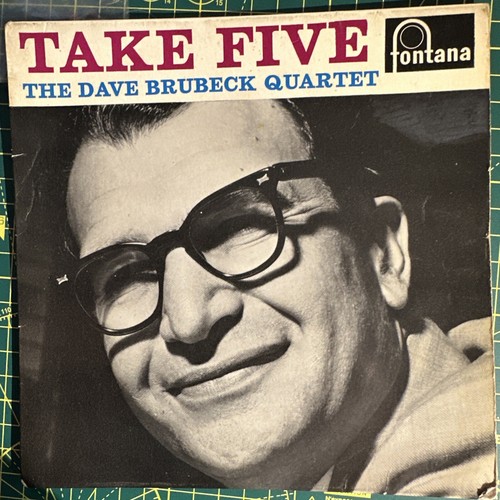
2. Dave Brubeck “Take Five” (1961)
3. Duke Ellington “Take the ‘A’ Train” (1941)
4. Coleman Hawkins “Body and Soul” (1940)
5. Thelonious Monk “‘Round Midnight” (1947)
6. Miles Davis “So What” (1959)
7. Louis Armstrong “What a Wonderful World” (1967)
8. Stan Getz with Joao Gilberto “The Girl from Ipanema” (1964)
9. Dizzy Gillespie “A Night in Tunisia” (1946)
10. Cannonball Adderley “Autumn Leaves” (1958)
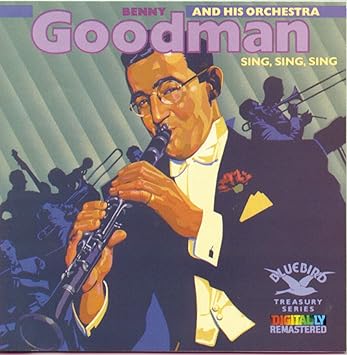
11. Benny Goodman “Sing, Sing, Sing (With a Swing)” (1938)
12. Billie Holiday “Strange Fruit” (1939)
13. Frank Sinatra “Fly Me to the Moon (In Other Words)” (1964)
14. Ray Charles “Georgia on My Mind” (1960)
15. Erroll Garner Trio “Misty” (1954)
16. Glenn Miller “In the Mood” (1939)
17. Miles Davis “All Blues” (1959)
18. John Coltrane “Acknowledgement (A Love Supreme, Part I)” (1965)
19. John Coltrane “My Favorite Things” (1960)
20. Miles Davis “Blue in Green” (1959)
21. Weather Report “Birdland” (1977)
22. Fats Waller “Ain’t Misbehavin’” (1929)
23. Duke Ellington “Sophisticated Lady” (1933)
24. Duke Ellington & John Coltrane “In a Sentimental Mood” (1962)
25. Bessie Smith & Louis Armstrong “St. Louis Blues” (1925)
26. Duke Ellington “Mood Indigo“ (1931)
27. Louis Armstrong “West End Blues” (1928)
28. Count Basie Orchestra “One O’Clock Jump” (1937)
29. Art Blakey & the Jazz Messengers “Moanin’” (1958)
30. Etta James “At Last” (1961)
31. Benny Goodman “Stompin’ at the Savoy” (1936)
32. Duke Ellington “Satin Doll” (1953)
33. John Coltrane “Giant Steps” (1959)
34. Dizzy Gillespie “All the Things You Are” (1945)
35. Louis Armstrong “On the Sunny Side of the Street” (1933)
36. Artie Shaw “Stardust” (1941)
37. Dizzy Gillespie “Salt Peanuts” (1945)
38. Duke Ellington “It Don’t Mean a Thing if It Ain’t Got That Swing” (1932)
39. Glenn Miller “Moonlight Serenade” (1939)
40. Louis Armstrong “I Got Rhythm” (1932)
41. Dizzy Gillespie “Manteca” (1947)
42. Peggy Lee “Fever” (1957)
43. Cab Calloway “Minnie the Moocher” (1931)
44. Ella Fitzgerald “The Man I Love” (1959)
45. Ella Fitzgerald “Mack the Knife“ (1960)
46. Artie Shaw “Begin the Beguine” (1938)
47. Ella Fitzgerald “Night and Day” (1956)
48. Herbie Hancock “Watermelon Man” (1962)
49. Duke Ellington “Caravan” (1937)
50. Count Basie “April in Paris” (1955)
51. Paul Whitman with George Gershwin “Rhapsody in Blue” (1924)
52. John Coltrane & Johnny Hartman “Lush Life” (1963)
53. Louis Armstrong “Sweet Georgia Brown” (1955)
54. Billie Holiday “God Bless the Child” (1941)
55. Louis Armstrong “All of Me” (1932)
56. Ella Fitzgerald with the Daydreamers “How High the Moon” (1947)
57. Art Tatum “Tea for Two” (1939)
58. Natalie Cole with Nat “King” Cole “Unforgettable” (1991)
59. Glenn Miller “The Nearness of You” (1940)
60. Norah Jones “Don’t Know Why” (2002)
61. Charlie Parker with Miles Davis & Dizzy Gillespie “Ko-Ko” (1945)
62. Louis Armstrong “When the Saints Go Marching In” (1939)
63. Ella Fitzgerald & Louis Armstrong “Cheek to Cheek” (1956)
64. Ferdinand “Jelly Roll” Morton “King Porter Stomp” (1923)
65. Billie Holiday “The Way You Look Tonight” (1936)
66. Fats Waller “Honeysuckle Rose” (1935)
67. Ella Fitzgerald “Someone to Watch Over Me” (1958)
68. Ray Charles “Come Rain or Come Shine” (1960)
69. Henry Mancini with Audrey Hepburn “Moon River” (1961)
70. Ella Fitzgerald with Chick Webb “A-Tisket, A-Tasket” (1938)
71. Bill Withers with Grover Washington, Jr. “Just the Two of Us” (1981)
72. Dizzy Gillespie “I Can’t Get Started” (1945)
73. Louis Armstrong “I’m in the Mood for Love” (1935)
74. Billie Holiday “Lover Man (Oh, Where Can You Be?)” (1945)
75. Benny Goodman “Moonglow” (1934)
76. Louis Armstrong “Hello Dolly!” (1964)
77. Benny Goodman with Mildred Bailey “Darn That Dream” (1940)
78. Woody Herman “Blues in the Night (My Mama Done Tol’ Me)” (1941)
79. Pee Wee Hunt “Twelfth Street Rag” (1948)
80. Nat “King” Cole “Mona Lisa” (1950)
81. Woody Herman “Laura” (1945)
82. Nat “King” Cole “Straighten Up and Fly Right” (1944)
83. Artie Shaw “Dancing in the Dark” (1941)
84. Bobby McFerrin “Don’t Worry Be Happy” (1988)
85. Lionel Hampton “Flying Home” (1942)
86. Frank Sinatra “One for My Baby and One for the Road” (1949)
87. Dinah Washington “What a Diff’rence a Day Makes” (1959)
88. Ella Fitzgerald “But Not for Me” (1959)
89. Tommy Dorsey “Opus One” (1943)
90. Charlie Barnet & His Orchestra “Cherokee (Indian Love Song)” (1939)
91. Duke Ellington “Perdido” (1942)
92. Chet Baker “My Funny Valentine” (1953)
93. Woody Herman “I’ll Remember April” (1942)
94. George Benson “On Broadway” (live, 1978)
95. George Benson “This Masquerade” (1976)
96. Stan Kenton “Artistry in Rhythm” (1944)
97. Herb Alpert “Rise” (1979)
98. Stan Getz & Charlie Bird “Desafinado” (1962)
99. Louis Armstrong “Potato Head Blues” (1927)
100. Django Reinhardt & Stephane Grappelli with the Quintet of the Hot Club of France “Nuages” (1940)
Resources and Related Links:
First posted 3/3/2011; last updated 4/22/2021. |