Showing posts with label Whole Lotta Love. Show all posts

Wednesday, November 17, 2021

Led Zeppelin, Jimmy Page, and Robert Plant: Top 100 Songs/Studio Albums Ranked

Led Zeppelin et al

Top 100 Songs

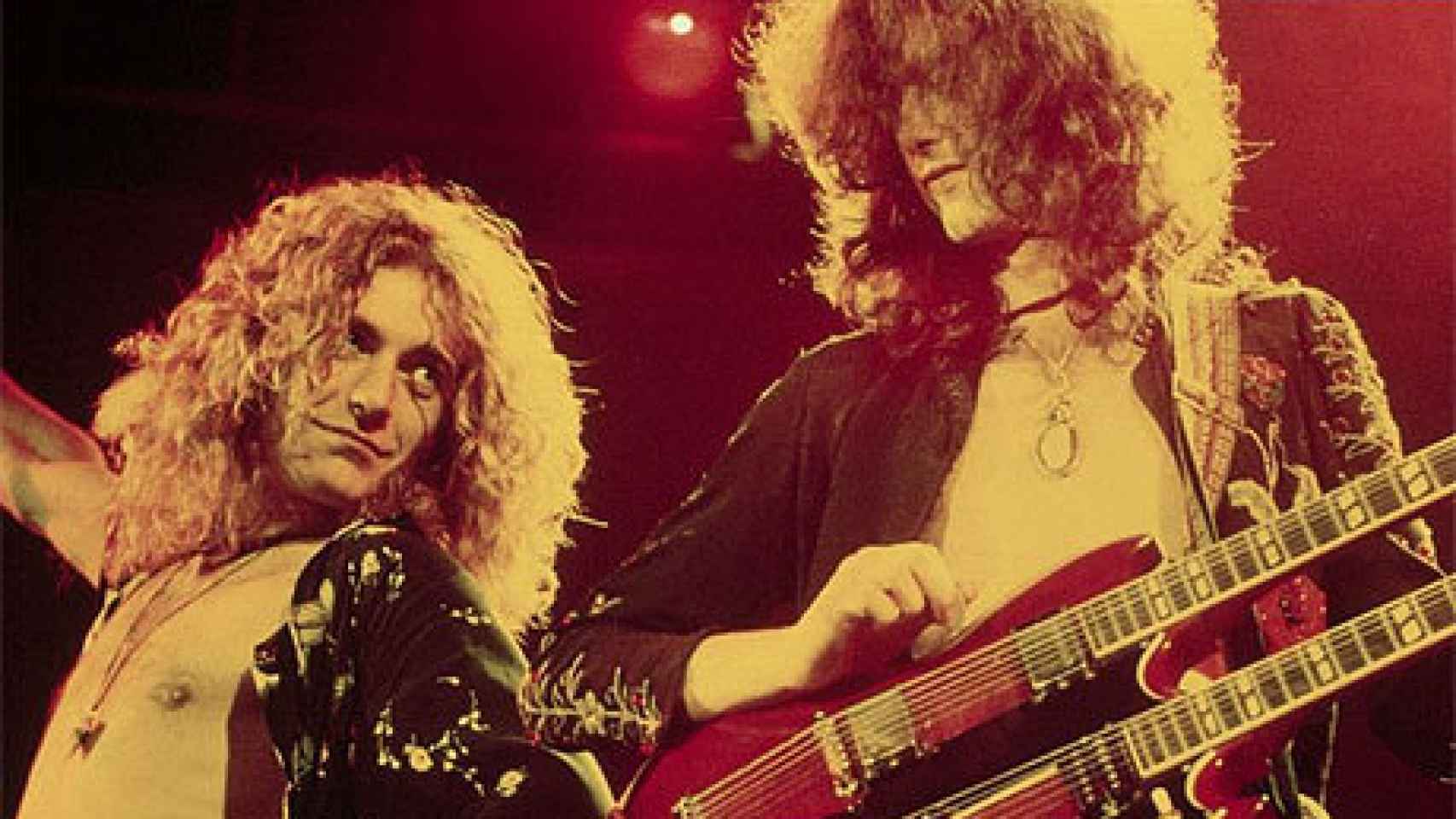
Robert Plant (l) and Jimmy Page (r), image from elespanol.com

British heavy-metal rock supergroup formed in 1968 by Jimmy Page (guitar), Robert Plant (vocals), John Paul Jones (bass/keyboards), and John “Bonzo” Bonham (drums). Page had previously been in the Yardbirds while Plant and Bonham worked together in Band of Joy. The band broke up in 1980 after Bonham died of asphyxiation at age 33 on 9/25/1980.

Click here to see other best-of lists from performers and here to see other best-of lists from songwriters and/or producers.


Spotify Podcast:

Check out Dave’s Music Database podcast: The 50th Anniversary of Led Zeppelin IV and Dave’s Music Database podcast: The Best of Robert Plant, both of which draw from this list. They premiere November 9, 2021 and November 16, 2021 respectively at 7pm CST. Tune in every Tuesday at 7pm for a new episode based on the lists at Dave’s Music Database.

Awards:


Top 100 Songs


Dave’s Music Database lists are determined by song’s appearances on best-of lists as well as chart success, sales, radio airplay, streaming, and awards. Songs are by Led Zeppelin unless noted otherwise. The Firm featured Jimmy Page on guitar and the Honeydrippers featured Robert Plant and Jimmy Page. Songs which hit #1 on various charts are noted. (Click for codes to singles charts.)

DMDB Top 1%:

1. Stairway to Heaven (1971) #1 CL
2. Whole Lotta Love (1969) #1 CL, AU
3. Kashmir (1975) #1 CL

DMDB Top 2%:

4. Rock and Roll (1971) #1 CL
5. Black Dog (1971) #1 CL
6. Immigrant Song (1970) #1 CL

DMDB Top 5%:

7. Over the Hills and Far Away (1973) #1 CL
8. Dazed and Confused (1969) #1 CL
9. Ramble On (1969) #1 CL
10. D’Yer Mak’er (1973) #1 CL

DMDB Top 10%:

11. Heartbreaker (1969) #1 CL
12. Going to California (1971) #1 CL
13. Trampled Under Foot (1975)
14. Good Times, Bad Times (1969)
15. Fool in the Rain (1979)
16. All My Love (1979) #1 CL
17. Living Loving Maid (She’s Just a Woman) (1969) #1 CL
18. Thank You (1969)
19. When the Levee Breaks (1971)
20. What Is and What Should Never Be (1969)

21. In the Mood (Robert Plant, 1983)
22. Sea of Love (Honeydrippers, 1984) #1 AC, CN
23. Rockin’ at Midnight (Honeydrippers, 1984)
24. The Ocean (1973)
25. Communication Breakdown (1969)
26. Misty Mountain Hop (1971)
27. Big Log (Robert Plant, 1983)

DMDB Top 20%:

28. Hurting Kind (I’ve Got My Eyes on You) (Robert Plant, 1990) #1 AR
29. Tall Cool One (Robert Plant, 1988) #1 AR
30. Heaven Knows (Robert Plant, 1988) #1 AR

31. Gallows Pole (1970)
32. Little by Little (Robert Plant, 1985) #1 AR
33. If I Were a Carpenter (Robert Plant, 1993)
34. Since I’ve Been Loving You (1970)
35. Radioactive (The Firm, 1985) #1 AR
36. Hey Hey What Can I Do (1970)
37. Babe, I’m Gonna Leave You (1969)
38. 29 Palms (Robert Plant, 1993)
39. Ship of Fools (Robert Plant, 1988)
40. Burning Down One Side (Robert Plant, 1982)

41. I Believe (Robert Plant, 1993)
42. Achilles Last Stand (1976)
43. The Battle of Evermore (1971)

Beyond the DMDB Top 20%:

44. The Song Remains the Same (1973)
45. Nobody’s Fault But Mine (1976)
46. No Quarter (1973)
47. Please Read the Letter (Robert Plant with Alison Krauss, 2007)
48. The Rain Song (1973)
49. Other Arms (Robert Plant, 1983) #1 AR
50. You’ve Lost That Lovin’ Feelin’ (The Firm, 1985)

51. Shine It All Around (Robert Plant, 2005)
52. In My Time of Dying (1975)
53. Little Sister (Rockpile with Robert Plant, 1981)
54. All the King’s Horses (The Firm, 1986) #1 AR
55. Satisfaction Guaranteed (The Firm, 1985)
56. Dancing Days (1973)
57. Most High (Robert Plant & Jimmy Page, 1998) #1 AR
58. Calling to You (Robert Plant, 1993)
59. In the Evening (1979)
60. Your Ma Said You Cried in Your Sleep Last Night (Robert Plant, 1990)

61. Houses of the Holy (1975)
62. Gone, Gone, Gone (Done Moved On) (Robert Plant with Alison Krauss, 2007)
63. Baby Come on Home (1968)
64. Bron-Y-Aur Stomp (1970)
65. Bring It on Home (1969)
66. Take Me for a Little While (Coverdale-Page, 1993)
67. Tie Dye on the Highway (Robert Plant, 1990)
68. That’s the Way (1970)
69. Crazy Little Thing Called Love (Queen live with Robert Plant, 1992)
70. Tangerine (1970)

71. Down by the Seaside (1975)
72. Travelling Riverside Blues (1969)
73. Celebration Day (1970)
74. In the Light (1975)
75. The Lemon Song (1969)
76. Darlene (1978)
77. How Many More Times (1969)
78. Pride and Joy (Coverdale-Page, 1993) #1 AR
79. Four Sticks (1971)
80. Moby Dick (1969)

81. Down by the Seaside (Tori Amos with Robert Plant, 1995)
82. Shake My Tree (Coverdale-Page, 1993)
83. Your Time Is Gonna Come (1969)
84. Boogie with Stu (1975)
85. I’m Gonna Crawl (1979)
86. You Shook Me (1969)
87. Friends (1970)
88. One More Cup of Coffee (Robert Plant, 2002)
89. The Crunge (1973)
90. Ten Years Gone (1975)

91. Ozone Baby (1978)
92. The Only One (Jimmy Page & Robert Plant, 1988)
93. I Can’t Quit You Baby (1969)
94. The Girl I Love She Got Long Black Wavy Hair (live, 1969)
95. Out on the Tiles (1970)
96. The Rover (1975)
97. For Your Life (1976)
98. Pledge Pin (Robert Plant, 1982)
99. Anniversary (Robert Plant, 1990)
100. Angel Dance (Robert Plant, 2010)


Led Zeppelin et al: Studio Albums Ranked


Dave’s Music Database lists are determined by album’s appearances on best-of lists as well as chart success, sales, critics’ ratings, and awards. Also factored in are the status of each album’s songs in Dave’s Music Database for songs.

1. Led Zeppelin IV (1971)
2. Led Zeppelin II (1969)
3. Physical Graffiti (1975)
4. Led Zeppelin I (1969)
5. Houses of the Holy (1973)
6. Led Zeppelin III (1970)
7. Raising Sand (Robert Plant with Alison Krauss, 2007)
8. In Through the Out Door (1979)
9. Now and Zen (Robert Plant, 1988)
10. Presence (1976)

11. Mighty Rearranger (Robert Plant, 2005)
12. Band of Joy (Robert Plant, 2010)
13. The Principle of Moments (Robert Plant, 1983)
14. Fate of Nations (Robert Plant, 1993)
15. Pictures at Eleven (Robert Plant, 1982)
16. Manic Nirvana (Robert Plant, 1990)
17. Walking into Clarksdale (Robert Plant with Jimmy Page, 1998)
18. Carry Fire (Robert Plant, 2017)
19. Coverdale-Page (Jimmy Page with David Coverdale, 1993)
20. Coda (archives: 1969-78, released 1982)

21. Volume One (The Honeydrippers, 1984)
22. The Firm (The Firm, 1985)
23. Dreamland (Robert Plant, 2002)
24. Shaken ‘N’ Stirred (Robert Plant, 1985)
25. Lullaby and…the Ceaseless Roar (Robert Plant, 2014)
26. Mean Business (The Firm, 1986)
27. Outrider (Jimmy Page, 1988)
28. Death Wish II soundtrack (Jimmy Page, 1982)


Resources and Related Links:


First posted 8/20/2012; last updated 11/16/2021.

Thursday, October 22, 2020

Dave's Music Database Hall of Fame: Song Inductees (October 2020)

Originally posted 10/22/2020.

In honor of the 10th anniversary of the DMDB blog on January 22, 2019, Dave’s Music Database launched its own Hall of Fame. This is the eighth set of song inductees. They come from the DMDB list of the top 100 classic rock songs of all time. The top 30 songs on that list were ranked based on overall DMDB points and the resulting top ten from that sort are being inducted. Excluded are previous inductees: The Beatles “Hey Jude” (1968), Eagles “Hotel California” (1976), John Lennon “Imagine” (1971), Queen “Bohemian Rhapsody” (1975), and The Rolling Stones “(I Can’t Get No) Satisfaction” (1965).

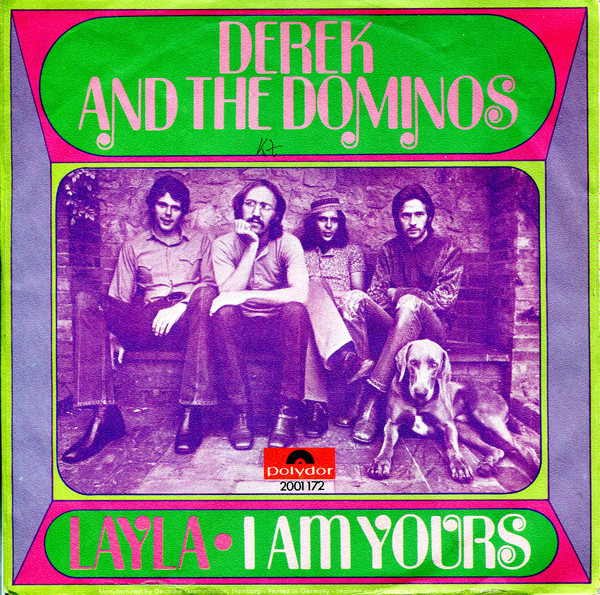
Derek & the Dominos “Layla” (1970)

Inducted October 2020 as “Top Classic Rock Song.”

One of the great classic rock songs was inspired by Nizami, a twelfth-century Persian poet, who told the story of a love affair gone wrong in The Story of Layla and Majnun. HL In Eric Clapton’s version of the tale, the source of unrequited love was Patti Boyd, the wife of his best friend, George Harrison. Clapton never again sounded as tortured as he does here. Oh, and Nizami’s version missed a key ingredient of its musical counterpart — “the most recognizable guitar riff in history.” BBC Read more.

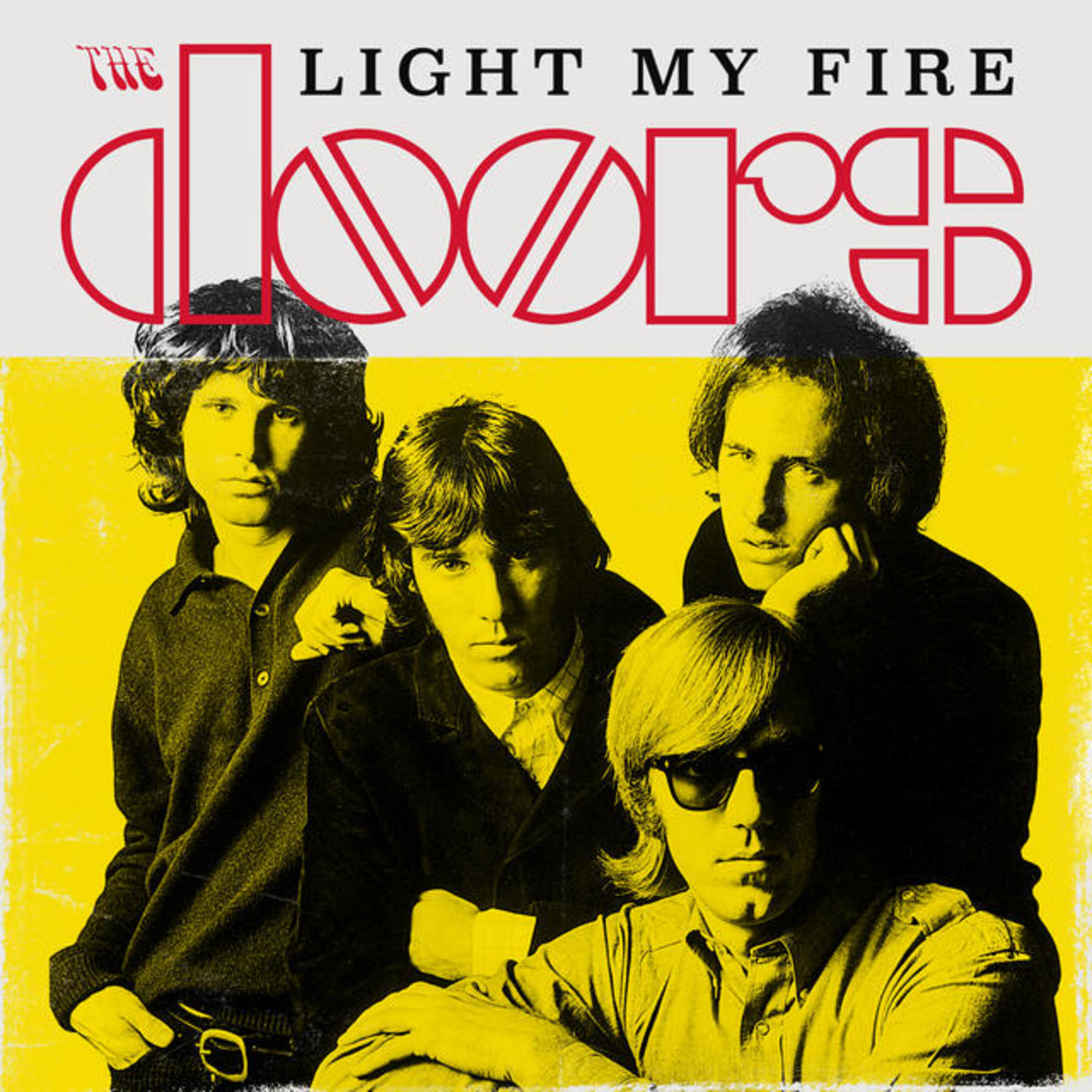
The Doors “Light My Fire” (1967)

Inducted October 2020 as “Top Classic Rock Song.”

The song that “positively dripped with sexual desire” CR was a fitting launch for the Doors and helped establish their frontman, Jim Morrison, as one of rock’s most legendary sex symbols. The song had more than just sex. Its blatant reference to drug use with the line “We couldn’t get much higher” got the band in trouble with the Ed Sullivan Show. The band had promised to replace the word “higher” when performing the song on a live television broadcast, but sang it anyway, getting them permanently banned from the show. AMG Read more.

The Jimi Hendrix Experience “Purple Haze” (1967)

Inducted October 2020 as “Top Classic Rock Song.”

Rolling Stone credited “Purple Haze” with launching two musical revolutions – “late-Sixties psychedelia and the unprecedented genius of Jimi Hendrix.” RS500 It is “a three-minute blaze of overdubbed guitar sorcery” RS500 which sports “one of the unforgettable opening riffs in rock.” RS500 Q magazine rated it the top guitar song of all time. WK Read more.

The Jimi Hendrix Experience “All Along the Watchtower” (1968)

Inducted October 2020 as “Top Classic Rock Song.”

Jimi Hendrix is largely credited with reinventing the electric guitar and his prowess is never more apparent than on his take on Bob Dylan’s “All Along the Watchtower.” “Raging and climactic where Dylan’s had been soft-paced and relaxed,” AMG Hendrix’s version pulls off the rare feat of giving the world a cover that outdoes its original source. After hearing Hendrix tackle it, “you can’t imagine it...any other way.” BBC Dylan admitted that in his subsequent performances of the song, he strove to emulate Hendrix’s version. RS500 Read more.

Led Zeppelin “Whole Lotta Love” (1969)

Inducted October 2020 as “Top Classic Rock Song.”

“Whole Lotta Love” can be traced back to Willie Dixon’s “You Need Love,” a song he wrote in 1962 for Muddy Waters. British rock band The Small Faces covered the song on their debut album. Future Led Zep members Jimmy Page and Robert Plant saw them perform it WK and eventually added it their own repertoire. In 2014, a BBC radio listeners’ poll rated “Whole Lotta Love” as having the greatest guitar riff of all time. WK The song was also rated in the top 5 on similar lists from Q magazine and VH1. WK Read more.

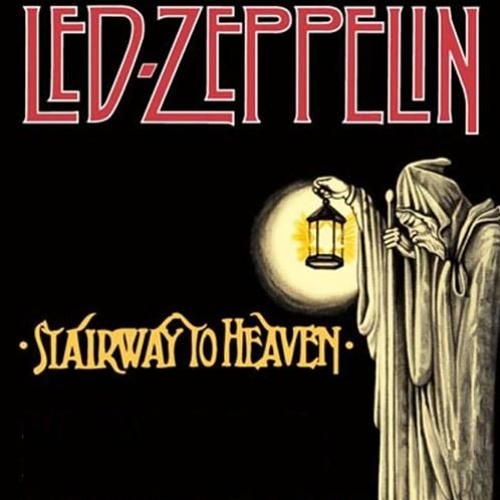
Led Zeppelin “Stairway to Heaven” (1971)

Inducted October 2020 as “Top Classic Rock Song.”

“Dazed and Confused” was the centerpiece of Led Zeppelin’s early live performances SJ but when they tired of it, the group set about creating another anthem. Little did they know that they would birth the song against which “all epic anthems must measure themselves.” RS500 The song consistently tops classic rock radio best-of lists, has received more airplay than any other song in the history of FM radio, KN and sold over a million copies of sheet music. WK For all its accomplishments, “Heaven” was never released as a single. Atlantic Records pushed for one, but the band refused to edit the song down from its eight-minute running time. WK Read more.

Lynyrd Skynyrd “Sweet Home Alabama” (1974)

Inducted October 2020 as “Top Classic Rock Song.”

This ode to the state of Alabama was written by three non-natives. Ronnie Van Zant and Gary Rossington both hailed from Jacksonville, Florida, while Ed King was born in Glendale, California. According to Rossington, they came up with the tune while waiting for the rest of the band to get to rehearsal. WK It was written as an ode to Southern pride in response to Neil Young’s “Southern Man” and “Alabama,” songs implying that American Southerners were “racist and stuck in the past.” SF Read more.

Pink Floyd “Another Brick in the Wall Part II” (1979)

Inducted October 2020 as “Top Classic Rock Song.”

In Pink Floyd’s early years, they released some successful singles in the UK, but gradually became much better known as an album act. With their 1979 album, The Wall, Pink Floyd undertook their most ambitious endeavor yet, crafting a double album built around the concept of alienation. To everyone’s surprise, the band opted to promote the album with their first single in eleven years. TB Singer/songwriter and bassist Roger Waters’ “vicious attack on teachers…inspired by the cruelty of his own schoolmasters” RS500 went on to shock everyone even more by going all the way to #1. Read more.

Bruce Springsteen “Born to Run” (1975)

Inducted October 2020 as “Top Classic Rock Song.”

Springsteen took six months to write TB and 3 ½ to record RS500 his bonafide classic. The song underwent fifty pages of fine-tuning in his notebook TB as he crafted his tale of the ficticious Wendy KN and the “young lovers on the highways of New Jersey.” RS500 It became The Boss’ signature song – an anthem to rebellion and an ode to the musical giants who shaped him. Read more.

Steppenwolf “Born to Be Wild” (1968)

Inducted October 2020 as “Top Classic Rock Song.”

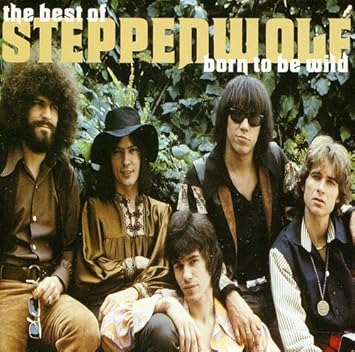
Dennis Edmonton, who was a former member of Sparrow and the brother of Steppenwolf drummer Jerry Edmonton wrote the song under the pseudonym Mars Bonfire. AMG Inspired by a motorcycle poster with the slogan “Born to Ride,” he crafted this classic with the phrase “heavy metal” describing the roar of a motorcycle. TB The song achieved iconic status when Dennis Hopper used it for the film Easy Rider. RS500 It perfectly captured the movie’s “spirit of rebelliousness and freedom.” CR Read more.

Tuesday, October 22, 2019

Today in Music (1969): Led Zeppelin released its second album

Led Zeppelin II

Led Zeppelin


Released: October 22, 1969


Peak: 17 US, 11 UK, 17 CN, 15 AU Click for codes to charts.


Sales (in millions): 12.0 US, 1.2 UK, 24.5 world (includes US and UK), 35.05 EAS


Genre: classic rock/metal


Tracks:

Click on a song title for more details.
  1. Whole Lotta Love [5:34]
  2. What Is and What Should Never Be [4:45]
  3. The Lemon Song [6:19]
  4. Thank You [4:49]
  5. Heartbreaker [4:14]
  6. Living Loving Maid (She’s Just a Woman) [2:39]
  7. Ramble On [4:24]
  8. Moby Dick [4:20]
  9. Bring It on Home [4:21]

Total Running Time: 41:21


The Players:

  • Robert Plant (vocals)
  • Jimmy Page (guitar)
  • John Paul Jones (bass, keyboards)
  • John Bonham (drums)

Rating:

4.536 out of 5.00 (average of 28 ratings)


Awards:

(Click on award to learn more).

The Beginning

Led Zeppelin formed in London in 1968. They started as an attempt to keep the Yardbirds alive. Guitarist Jimmy Page had joined in 1966 and when the band imploded two years later, he and rhythm guitarist/bassist Chris Dreja tried to resuscitate the group. When Dreja dropped out, Page formed a new band (initially called the New Yardbirds) which included John Paul Jones, a bassist and keyboardist who had worked on some Yardbirds’ sessions with Page. He also recruited singer Robert Plant and drummer John Bonham, who’d worked together in Band of Joy.

The newly christened Led Zeppelin (so named because of Who drummer Keith Moon’s proclamation that the band would go over like a “lead balloon”) signed to Atlantic Records in November 1968. Their “hard-edged” TM debut, released in January 1969, “suggested much of the preceding activity in British blues-rock had been child’s play.” TM

Recording the Second Album

Within six months, Led Zeppelin had become a headlining act. Ahmet Ertegun, the founder of Atlantic Records, was eager to get a second album out and pressured the band to go back into the studio. GM-94 This led to the less-than-ideal circumstances of trying to write and record a sophomore album while also touring America and Europe.

From January to August 1969, they squeezed in recording time at thirteen different studios GM-100 in the United States and United Kingdom. The band spent nearly twenty days recording and two more mixing. By contrast, the first album was done in barely four sessions. GM-102 Unlike the first album, the band did not use any outside musicians on the second album. GM-102

Songs often grew out of improvisational jams on stage. As such, the songs reflect the “spontaneity and urgency” WK in which they were crafted. Jimmy Page served as producer and this album marked the first on which Eddie Kramer was an engineer.

Reinventing the Blues – and Inventing Heavy Metal

With little opportunity to write new material, the group tapped into the blues tradition of “borrowing” and “recast lyrics and melodic ideas from old blues standards” TM they performed in concert. AM “The true measure of Led Zeppelin is how far they transcended those influences.” TBThey may not have written the songs, but they came “to fully own them.” TM

The Heavy Metal Blueprint

The resulting Led Zeppelin II “doesn’t have the eclecticism of the group’s debut, it’s arguably more influential.” AM It “provided the blueprint for all the heavy metal bands that followed it” AM by foreshadowing “the basic guitar attack of heavy metal.” TM This is “macho metal the way it was meant to sound.” VB

Led Zeppelin II has been called “the birth certificate of heavy metal.” GM-92 With the album, the band recrafted the blues “into a startlingly visceral, grab-you-by-the-throat sound that changed rock forever.” TM They simplified the riffs, pumped up the volume, and added extended instrumental solos for a sound which is “heavy and hard, brutal and direct.” AM They “radically revamp the outlines of the music until it speaks with a bold, sometimes brutal fury.” TM They “caused a nation of hippie-dippie longhairs to put down their flowers and grab their crotches.” VB This was “a seminal disc that made clear that the soundtrack to the seventies was going to differ from that to the sixties.” GM-96

Hard Rock Meets Folk?

Led Zeppelin didn’t just wow audiences with their ability to rock, but their ability to mellow out. “Led Zeppelin II is an album to which you can go berserk or – and this is rare for a hard rock album – you could just sit down and listen. Either way it is rewarding.” TB

“Lighter, folk-tinged tunes” TM like “What Is and What Should Never Be,” “Ramble On,” and “Thank You” would “anticipate the mystical airs Zeppelin would pursue later, most successfully with the epic ‘Stairway to Heaven.’” TM

No Longer the “Page Project”

Plant demonstrated a desire as a lyricist on the second album to “broach personal themes (‘What Is and What Should Never Be,’ ‘Thank You’) and to guide the listener along the as yet little-explored byways of heroic fantasy (‘Ramble On’), not to forget the recurrent sexual metaphors (‘Whole Lotta Love,’ ‘The Lemon Song’), something Plant has in common with any self-respecting bluesman or rocker.” GM-96

“The involvement in the songwriting of Robert Plant…but also of John Paul Jones and John Bonham became such a normal state of affairs that Led Zeppelin could no longer be described as Jimmy Page’s group, rather as a group of four complementary musicians and partners.” GM-95 Still, the American media judged Plant’s “voice to be too shrill and his behavior excessive.” GM-95 Richard Cole, the band’s tour manager, even asserted that after the first tour, it was touch-and-go as to whether Plant would still be in the band. Whether true or not, “Plant would rapidly consolidate his position as lead singer and eventually steal the show from Page – to the guitarist’s great annoyance.” GM-95

The Cover

The album sleeve was designed by David Juniper, a young British artist. Jimmy Page tasked him simply with coming up “with something interesting.” GM-97 Juniper decided to rework a photograph of Jasta 11, a renowned German fighter squadron formed in 1916. He retouched the photograph, “giving the black-and-white image a sepia tint and then substituting the faces of the four members of the group for those of four of the aces.” GM-97

Page liked the concept and asked Juniper to retouch the other faces with those of Led Zeppelin’s manager Peter Grant, tour manager Richard Cole, and bluesman Blind Willie Johnson, “something of a role model for the guitarist.” GM-97 They didn’t make the cut, replaced instead by jazz man Miles Davis, a muse of artist Andy Warhol’s (perhaps Mary Woronov), and the astronaut Frank Borman. GM-98

The end result earned Juniper a Grammy nomination for best album cover.

Reissue

A 2014 deluxe edition added a second disc with alternate versions of the songs.

The Songs

Here’s a breakdown of each of the individual songs.

Whole Lotta Love

Led Zeppelin

Writer(s): John Bonham, Willie Dixon, John Paul Jones, Jimmy Page, Robert Plant (see lyrics here)


Recorded: April 14-19, 1969, at Olympic Sound Studios in London; April 28-30, 1969 at A&M Studios in Hollywood, California


Released: single (11/7/1969), Led Zeppelin II (1969), Remasters (compilation, 1992), Early Days (compilation, 1999), Mothership (compilation, 2007)


Peak: 4 BB, 2 CB, 5 GR, 4 HR, 1 CL, 21 UK, 2 CN, 1 AU, 1 DF Click for codes to charts.


Sales (in millions): 1.0 US, 0.4 UK, 1.4 world (includes US + UK)


Airplay/Streaming (in millions): -- radio, 169.25 video, 724.25 streaming

Awards:

(Click on award to learn more).

About the Song:

“The crunching ‘Whole Lotta Love’” DBW can be traced back to a 1962 Willie Dixon song, although he wasn’t credited until 1985 after a lawsuit was settled out of court. Dixon was a Chicago blues songwriter who penned the song “You Need Love” in 1962 for Muddy Waters. The Small Faces, a British rock band, covered the song as “You Need Loving” on their debut album in 1966. According to Steve Marriott, the band’s singer and guitarist, future Led Zeppelin members Jimmy Page and Robert Plant came to some of their gigs and expressed interest in the song. WK

The band’s reworking of “You Need Love” bore similarities to the Small Faces’ version. Marriott pointed out that Plant “sang it the same, phrased it the same, even the stops at the end were the same.” WK Plant also tossed in lines from “Shake for Me” and “Back Door Man,” a pair of Dixon songs written for Howlin’ Wolf. RS500 The band also borrows a phrase from Blind Lemon Jefferson and Robert Johnson, in asking to have one’s lemon squeezed “till the juice runs down my leg.” RP However, Jimmy Page insisted his guitar parts sounded nothing like Dixon’s song or the version by the Yardbirds, saying “if you take Robert’s vocal out, there’s no musical reference to either song.” GM-110

Dixon brought legal action in 1985 to get a rightful share of the credit. RS500 The band settled out of court for an undisclosed amount and, on subsequent releases, included Dixon’s name in the credits. WK Dixon used the money to set up a program which provided instruments for schools. SF

Lyrically, the song “revels in a taste for the forbidden and constitutes a hymn in praise of physical love.” GM-108 Vocally, Plant “proves himself to be one of the best of all rock singers and would become a model and an inspiration for hard-rock bands…everywhere.” GM-112

Surprisingly, Atlantic Records was eager to release the song as a single, despite the sexual themes and the “categorical refusal from the four members of the group.” GM-108 Nonetheless, a single was released (without the “orgasmic” section) and became the band’s only top-10 hit on the Billboard Hot 100.

“Page and engineer Eddie Kramer pushed technology to the limits, creating a soundscape of simulated sex best appreciated on headphones. Page used a Theremin for some high-pitched wails. A thunderous snare roll from Bonham leads the band into Page’s guitar solo, its phrases crunchingly punctuated by the rhythm section.” TB

Page developed the riff in the summer of 1968 on his houseboat on the River Thames in England, although bassist John Paul Jones said it came out of improvisation on stage during their song “Dazed and Confused.” WK This was Led Zeppelin’s “first undisputed classic and a strong contender for the track that ‘invented’ heavy metal. It is a musical jackhammer…with a gargantuan three-note riff.” TB In 2014, a BBC radio listeners’ poll rated “Whole Lotta Love” as having the greatest guitar riff of all time. WK The song was also rated in the top 5 on similar lists from Q magazine and VH1. WK

What Is and What Should Never Be

Led Zeppelin

Writer(s): Jimmy Page, Robert Plant


Recorded: April 14-19, 1969, at Olympic Sound Studios in London; 6/1/69 at Groove Studios in New York; 6/2/1969 (?) in Juggy Sound Studio in New York


Released: Led Zeppelin II (1969), Early Days (compilation, 1999)


Peak: 3 CL, 4 DF Click for codes to charts.


Sales (in millions): --


Airplay/Streaming (in millions): -- radio, -- video, 61.95 streaming


About the Song:

This was the first song credited to Jimmy Page and Robert Plant. GM-116 On “What Is and What Should Never Be explosive choruses detonate more delicate verses that evoked…West Coast rock…Zeppelin understood the power of dynamic contrast.” TB The song showcases Plant as a “romantic soul attracted by the simultaneously magical and disturbing world of heroic fantasy and the gothic novel.” GM-116

It may have hinted at “some conflicting feelings on the part of the Led Zeppelin singer.” GM-116 The castle referenced in the song could be “an allegory of a clandestine, forbidden love,” GM-116 a suggestion that Plant may have been attracted to his sister-in-law Shirley. GM-116 After all, when Robert and Maureen divorced in 1982, he had a song with Shirley in 1992.

The song starts off a cappella with Plant “singing in a gentle, sensual voice colored by highly distinctive phrasing and a discreet but effective delay. The group joins in right away, Jimmy Page accompanying the singer with strummed chords on his Les Paul.” GM-116 While he performs only electric guitar on the track, he revealed that he wrote the track using an acoustic guitar. GM-116 “John Bonham follows suit with some light and airy work centering on his ride cymbal. Meanwhile, John Paul Jones delivers an excellent bass line.” GM-117

Toward the end “the track explodes in a furious, reverb-drenched riff…The track draws to a close with a very rocky, almost funky coda with Plant improvising. Bonzo gets into a remarkable groove with some stunning work on bass drum…while Page and Jones take care of the main riff.” GM-117

The Lemon Song

Led Zeppelin

Writer(s): Jimmy Page, Robert Plant, John Paul Jones, John Bonham, Chester Burnett


Recorded: May 4-5, 1969, at Mystic Sound Studios in Hollywood, California; 8/5/69 at A&M Studios in Hollywood, California


Released: Led Zeppelin II (1969)


Peak: 8 CL, 13 DF Click for codes to charts.


Sales (in millions): --


Airplay/Streaming (in millions): -- radio, -- video, 40.46 streaming


About the Song:

“Whole Lotta Love” was Led Zeppelin’s most high-profile reinterpretation of the blues. Elsewhere on the album they remake Howlin’ Wolf’s “Killing Floor” into The Lemon Song and cover Bring It on Home, another Willie Dixon song – this one made famous by Sonny Boy Williamson II.

Howlin’ Wolf (real name Chester Burnett) first recorded “Killing Floor” in 1964 at Chess Studios. He expresses “an unfulfilled desire for vengeance and…terrible regrets.” GM-118 Led Zeppelin’s reworking focuses on them “point[ing] the finger at the deceitful, unfaithful woman who torments her lover…Despite this woman being the cause of all [the narrator’s] disillusion and suffering, the lover is so crazy about her that he ignores the advice of his friends.” GM-118

“Plant’s lead vocal gives ‘The Lemon Song’ a curiously live feel.” GM-118 Sound engineer Chris Huston confirmed that they did, in fact, record the tracks live, “with Plant standing in the middle of the room with a handheld microphone.” GM-119 In addition, Jimmy Page “comes up with some lightning-fast solo work” GM-120 and John Paul Jones provides a “superb bass line” GM-120 and “Bonham generates a formidable groove.” GM-120

Led Zeppelin didn’t just take their inspiration from Howlin’ Wolf. “Appropriating the traditional double entendre from the founding fathers of the blues, they adopt some particularly evocative phrases, such as ‘Squeeze me, baby, till the juice runs down my legs,’ which Robert Johnson had sung in ‘Travelling Riverside Blues.’” GM-118 Roosevelt Sykes, a blues pianist, also sang a song called “She Squeezed My Lemon” the same year. GM-118

Thank You

Led Zeppelin

Writer(s): Jimmy Page, Robert Plant


Recorded: 6/25/69 at Morgan Studios in London


Released: Led Zeppelin II (1969)


First Charted: 12/17/1994 (live version by Page & Plant)


Peak: 3 CL, 8 AR, 5 DF Click for codes to charts.


Sales (in millions): --


Airplay/Streaming (in millions): -- radio, -- video, 58.19 streaming


Covered by: Duran Duran on Encomium: A Tribute to Led Zeppelin (1995)


About the Song:

While Led Zeppelin II has its share of heavy metal classics, it also features songs like Thank You that “sport light, acoustic touches.” AM Robert Plant’s “performance speaks of a certain…vulnerability that is at odds with the hard-rock image of the four Englishmen.” GM-124 This is “a beautiful ballad…with tumbling cascades of 12-string guitar and a slow Hammond fade.” TB “The sound is strongly reminiscent of the Byrds.” GM-124

This “is believed to be the first song to have lyrics penned for Led Zeppelin by Robert Plant.” GM-122 Jimmy Page said, “It took a lot of ribbing and teasing to actually get him into writing.” GM-122

It seems to be “an ode to his wife Maureen, whom he married on November 9, 1968.” GM-122 It is an expression of “a love that inspired in him a desire not to continually give in to temptation, to the charms of the groupies.” GM-122 It “is a fairly atypical number in the Led Zeppelin catalog, its romantic side appealing to loving couples, many of whom would tie the knot to it.” GM-124

Heartbreaker

Led Zeppelin

Writer(s): Jimmy Page, Robert Plant, John Paul Jones, John Bonham


Recorded: 5/21/69 in A&R Studios in New York; July 1969 at Atlantic Studios in New York


Released: Italian single (10/22/1969), Led Zeppelin II (1969), Remasters (compilation, 1992), Mothership (compilation, 2007)


B-side: “Living Loving Maid (She’s Just a Woman)”


First Charted: 3/14/1970


Peak: 65 BB, 1 CL, 6 DF Click for codes to charts.


Sales (in millions): --


Airplay/Streaming (in millions): -- radio, -- video, 164.41 streaming

Awards:

(Click on award to learn more).

About the Song:

“Heartbreaker” is “one of the tracks responsible for ushering in hard rock.” GM-128 “In his lead vocal…Robert Plant serves as a role model for heavy metal singers: he is powerful, high-pitched, and 100 percent rock. With this track he lays down the canons of the genre.” GM-127

“Heartbreaker” is “the story of a femme fatale, Annie, who has broken the protaganist’s heart. She suddenly returns after many years’ absence, giving him a considerable shock” GM-126 as the scars never healed.

“The special place ‘Heartbreaker’ occupies for numerous Led Zeppelin fans and for the music press is apparently due less to the lyrics…than to the music, especially Jimmy Page’s unaccompanied guitar solo.” GM-126 Guitar World ranked it the 16th best solo of all time. GM-126

“Heartbreaker” and “Living Loving Maid (She’s Just a Woman)” are often paired together on classic rock radio.

Living Loving Maid (She’s Just a Woman)

Led Zeppelin

Writer(s): Jimmy Page, Robert Plant


Recorded: 6/25/69 at Morgan Studios in London


Released: B-side of “Whole Lotta Love” (11/7/1969), Led Zeppelin II (1969)


First Charted: 3/14/1970


Peak: 65 BB, 1 CL, 6 DF Click for codes to charts.


Sales (in millions): --


Airplay/Streaming (in millions): -- radio, -- video, 40.31 streaming

Awards:

(Click on award to learn more).

About the Song:

The album includes “heavy rock songs…like Living Loving MaidJA with “its frenetic guitar break,” TB and the “electrifying riffs” TB of Heartbreaker. The two songs have become inextricably linked, played in tandem on classic rock radio.

The song echoes the Rolling Stones’ “Mother’s Little Helper” and Bob Dylan’s “Just Like a Woman” in its portrayal of what Jimmy Page said was ““a degenerate old woman trying desperately to be young.” GM-130 The song also sounds like “Creedence Clearwater Revival tinged with Tamla Motown.” GM-130

Plant “opens the track in a voice more soul than rock, with his instantly recognizable timbre. He is joined right away by the fabulous rhythm section of John Paul Jones and John Bonham. The beat is pretty funky, with Bonham delivering a drum part with an unrivaled groove.” GM-131 “Jimmy Page records a number of guitar tracks, as is his custom” GM-131 and delivers a “frenetic guitar break.” TB

“Heartbreaker” and “Living Loving Maid (She’s Just a Woman)” are often paired together on classic rock radio.

Ramble On

Led Zeppelin

Writer(s): Jimmy Page, Robert Plant


Released: Led Zeppelin II (1969), Remasters (compilation, 1992), Mothership (compilation, 2007)


Recorded: 6/1/69 at Groove Studios in New York; 6/2/69 at Juggy Sound Studio in New York


Peak: 1 CL, 66 CN, 6 DF Click for codes to charts.


Sales (in millions): --


Airplay/Streaming (in millions): -- radio, 34.60 video, 387.85 streaming

Awards:

(Click on award to learn more).

About the Song:

“Ramble On” is “probably one of the best tracks…in the entire Led Zeppelin catalog. The four Englishmen all display incredible talent that fully justifies the exceptional success they met with.” GM-135 “This wonderful song opens with a beautiful lead-in strummed by Jimmy Page on acoustic guitar.” GM-132 Plant’s voice is “warm and gentle, and it would be impossible to overstate the exceptional qualities that enable the singer to switch in an instant, with the greatest apparent ease, from mildness to the most feral rock mode.” GM-134

The song also features some “nice melody and some terrific bass playing from Jones.” DBW There’s some debate as to what percussion instrument is played by Bonham, with theories including him playing “the soles of his shoes, the lid of a plastic trash can, bongos, a floor tom covered with a towel, the cushion of his seat, and a guitar case. The last of these seems the most likely.” GM-134

The song was recorded the same day as “What Is and What Should Never Be;” GM-132 both feature “explosive choruses [that] detonate more delicate verses that evoked [J.R.R.] Tolkien and West Coast rock respectively. Zeppelin understood the power of dynamic contrast.” TB

The song is “a kind of journey undertaken by the Led Zeppelin singer through the world of [J.R.R.] Tolkien.” GM-132 Plant references “the darkest depths of Mordor” as well as “Gollum and the evil one.” His references to a queen might refer to the elf Galadriel. GM-132

Moby Dick

Led Zeppelin

Writer(s): Jimmy Page, Robert Plant, John Paul Jones, John Bonham


Recorded: May 4-5, 1969, at Mystic Sound Studios in Hollywood, California; 5/6/69 at Mirror Sound in Los Angeles; 6/3/69 at Mayfair Recording Studios in New York


Released: Led Zeppelin II (1969)


Peak: 14 CL, 24 DF Click for codes to charts.


Sales (in millions): --


Airplay/Streaming (in millions): -- radio, -- video, 37.79 streaming


About the Song:

This instrumental “was designed as a showcase for Bonham’s drum solo. A previous drum showpiece featured a different arrangement called ‘Pat’s Delight’ (after his wife).” WK It was renamed “Moby Dick” because Bonham’s son, Jason, “thought the piece was huge, like…the whale in Herman Melville’s famous novel.” GM-138

The song grew out of a studio jam between Page and Bonham. Page started with a guitar riff from Bobby Parker’s “Watch Your Step” (1961), which can also be found in Led Zeppelin’s “The Girl I Love She Got Long Black Wavy Hair,” which was an adaptation of a blues song by Sleepy John Estes. GM-138

It “features a variety of drums and percussive instruments played with bare hands as well as drumsticks.” WK It features an almost three-minute solo from Bonham, although it is an edit of multiple sessions. He said, “I didn’t actually sit there and play a drum solo especially for the record. They just pieced it together.” GM-141

While the piece offers “another demonstration of his remarkable talent, the listener…misses the magic the drummer creates and the feats he achieves when playing with the group.” GM-141 The band would regularly integrate it into their live shows where it sometimes ran nearly half an hour. GM-141

Bring It on Home

Led Zeppelin

Writer(s): Jimmy Page, Robert Plant, Willie Dixon


Recorded: May 4-5, 1969, at Mystic Sound Studios in Hollywood, California; 5/1/69 at R&D Studios in Vancouver; July 1969 (?) at Atlantic Studios in New York


Released: Led Zeppelin II (1969)


Peak: 9 CL, 21 DF Click for codes to charts.


Sales (in millions): --


Airplay/Streaming (in millions): -- radio, -- video, 40.09 streaming


About the Song:

Bring It on Home” was a song written by Willie Dixon and made famous in 1963 by Sonny Boy Williamson II with his 1963 recording. However, the song dates back to 1954 and a song Dixon wrote called “Back Home to Mama,” popularized by Big Walter Horton. Dixon then reworked it as “Bring It on Home.” GM-142

In 1972, Dixon sued Led Zeppelin and won, resulting in his name being added as a credit to future pressings. GM-142 “There is no getting around the similarities between the two versions: the same intention, the same harmonies, and the same words.” GM-144 Still, Page insisted they didn’t plagiarize it, arguing, “Christ, there’s only a tiny bit taken from Sonny Boy Williamson’s version and we threw that in as a tribute to him.” GM-144

Indeed, they didn’t lift the entire song from Dixon. They borrowed the intro and coda but the central section was by them. The lyrics throughout bear similar themes of “homesickness, railroad travel, and…that love that reaps nothing but ingratitude…in a word, all the ingredients that make the blues so timeless.” GM-142

“Plant sings in an earnest and inspired voice” GM-142 – “surely one of the singer’s most energetic rock performances” GM-144 – and delivers “some excellent harmonica.” GM-142 “Page launches the supercharged rock section with a riff on his Les Paul colored by Tone Bender fuzz.” GM-144 “The rhythm section is powerful, Jones underscoring the riff before adopting a more R&B style in the verses. In addition to the drums, Bonzo…seems to be striking a kind of clave or woodblock, or is perhaps banging his drumsticks together.” GM-144

Resources/References:


Related DMDB Pages:


First posted 3/21/2008; last updated 5/18/2026.