Lewens background is in television where has produced music programs on a variety of genres including blues, country, jazz, opera, and country. For this book, he selected 100 songs to represent the 20th century. For the most part, he selected one song per year but there were a few circumstances where he chose more than one song. He identified songs by the writers (w = words, m = music) and not recording artists. The songs were not ranked but simply listed in chronological order.
Click here to see other lists from critics and individuals and here to see other lists from publications and/or organizations.
- 1900: Scott Joplin (w/m) “Maple Leaf Rag”
- 1901: Charles K. Harris (w/m) “After the Ball”
- 1902: Richard H. Gerard (w) and Harry Armstrong (m) “Sweet Adeline (You’re the Flower of My Heart)”
- 1903: George M. Cohan (w/m) “Give My Regards to Broadway”
- 1904: Ferdinand “Jelly Roll” Morton (m) “Jelly Roll Blues”
- 1905: George Fairman (w/m) “The Preacher and the Bear”
- 1906: Charles Albert Tindley (w/m) “Stand by Me”
- 1907: Harry Lauder (w/m) “I Love a Lassie”
- 1908: Rida Johnson Young (w) and Victor Herbert (m) “Ah! Sweet Mystery of Life”
- 1909: Frederick Weatherly (w), traditional (m) “Danny Boy”
- 1920: traditional, arranged by W.C. Handy (w/m) “Careless Love”
- 1921: Irving Mills (w), Cliff Friend (m) “Lovesick Blues”
- 1922: Arthur Freed, Abe Lyman, and Gus Arnheim (w/m) “I Cried for You”
- 1923: Gus Kahn (w), Isham Jones (m) “It Had to Be You”
- 1924: Irving Caesar (w), Vincent Youmans (m) “Tea for Two”
- 1925: Lorenz Hart (w), Richard Rodgers (m) “Manhattan”
- 1926: Boyd Atkins (w/m) “Heebie Jeebies”
- 1927: Hoagy Carmichael (w/m), Mitchell Parish (rewritten words in 1931) “Stardust”
- 1928: Oscar Hammerstein II (w), Jerome Kern (m) “Ol’ Man River”
- 1929: Arthur Freed (w), Herb Nacio Brown (m) “Singin’ in the Rain”
- 1940: Lorenz Hart (w), Richard Rodgers (m) “Bewitched, Bothered and Bewildered”
- 1941: Ralph Freed (w), Burton Lane (m) “How About You?”
- 1942: Irving Berlin (w/m) “White Christmas”
- 1943: Johnny Mercer (w), Harold Arlen (m) “One for My Baby”
- 1944: Tommie Connor (w), Norbert Schultze (m) “Lili Marlene”
- 1945: Cole Porter (w/m) “Ev’ry Time We Say Goodbye”
- 1946: Bobby Troupe (w/m) “Get Your Kicks on Route 66”
- 1947: Arthur “Big Boy” Crudup (w/m) “That’s All Right, Mama”
- 1947: Bill Monroe (w/m) “Blue Moon of Kentucky”
- 1948: Pee Wee King and Redd Stewart (w/m) “Tennessee Waltz”
- 1949: Johnny Marks (w/m) “Rudolph, the Red-Nosed Reindeer”
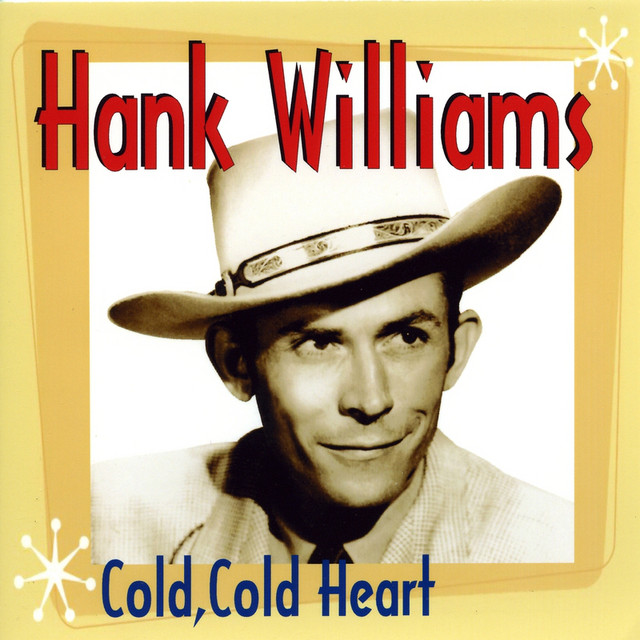
- 1950: Hank Williams (w/m) “Cold, Cold Heart”
- 1951: Jackie Brenston (w/m) “Rocket 88”
- 1952: Ned Washington (w), Dmitri Tiomkin (m) “High Noon (Do Not Forsake Me)”
- 1953: Paul Francis Webster (w), Sammy Fain (m) “Secret Love”
- 1954: Wille Dixon (w/m) “Hoochie Coochie Man”
- 1955: Max Freedman (w), Jimmy DeKnight (m) “We’re Gonna Rock Around the Clock”
- 1956: Carl Perkins (w/m) “Blue Suede Shoes”
- 1957: Otis Blackwell and Jack Hammer (w/m) “Great Balls of Fire”
- 1958: Chuck Berry (w/m) “Memphis, Tennessee”
- 1959: Ray Charles (w/m) “What’d I Say”
- 1970: The Corporation (Berry Gordy, Alphonso Mizell, Freddie Perren, and Deke Richards) (w/m) “ABC”
- 1971: Mick Jagger and Keith Richards (w/m) “Brown Sugar”
- 1972: Stevie Wonder (w/m) “Superstition”
- 1973: David Bowie (w/m) “Space Oddity”
- 1973: David Bowie (w/m) “Life on Mars?”
- 1974: Bob Marley (w/m) “No Woman, No Cry”
- 1975: Hutter/Schneider/Schult (w), Hutter/Schneider (m) “Autobahn”
- 1976: Benny Andersson and Bjorn Ulvaeus (w/m) “Dancing Queen”
- 1977: Glenn Frey, Don Henley, and Don Felder (w/m) “Hotel California”
- 1977: Steve Jones, Paul Cook, Glen Matlock, and Johnny Rotten “God Save the Queen”
- 1978: Barry Gibb, Robin Gibb, and Maurice Gibb (w/m) “Stayin’ Alive”
- 1979: Tim Rice (w), Andrew Lloyd Webber (m) “Don’t Cry for Me Argentina”
- 1980: Ian Curtis (w/m) “Love Will Tear Us Apart”
- 1981: Jo Callis, Philip Oakley, Philip Adrian Wright (w/m) “Don’t You Want Me?”
- 1982: Sylvia Robinson, Ed Fletcher, Melvin Glover, Nathaniel Chase (w/m) “The Message”
- 1983: Marvin Gaye and David Ritz (w), Marvin Gaye and Odell Brown (m) “Sexual Healing”
- 1984: Peter Gill, Holly Johnson, Brian Nash, Marc O’Toole, and Paul Rutherford (w/m) “Relax”
- 1985: George Michael and Andrew Ridgeley (w/m) “Careless Whisper”
- 1986: Peter Gabriel (w/m) “Sledgehammer”
- 1987: Bono (w), Bono, The Edge, Adam Clayton, and Larry Mullen (m) “I Still Haven’t Found What I’m Looking For”
- 1988: Matt Stock, Mike Aitken, and Pete Waterman (w/m) “Never Gonna Give You Up”
- 1988: Matt Stock, Mike Aitken, and Pete Waterman (w/m) “I Should Be So Lucky”
- 1989: Beresford Romeo, Caron Wheeler, Simon Law, and Nellee Hooper (w/m) “Back to Life (However Do You Want Me)”
- 1990: Prince (w/m) “Nothing Compares 2 U”
- 1991: Kurt Cobain (w/m) “Smells Like Teen Spirit”
- 1992: Grant Marshall, Andrew Vowles, Robert Del Naja, Shara Nelson (w/m) “Unfinished Sympathy”
- 1993: Jim Steinman (w/m) “I’d Do Anything for Love (But I Won’t Do That)”
- 1994: Diane Warren and Albert Hammond (w/m) “Don’t Turn Around”
- 1995: Artis Ivey Jr., Larry Sanders, Doug Rasheed, and Stevie Wonder (w/m) “Gangsta’s Paradise”
- 1996: Matt Rowe, Melanie Chisholm, Melanie Brown, Geri Halliwell, Victoria Adams, Emma Bunton, and Richard Stannard (w/m) “Wannabe”
- 1997: Bernie Taupin (w), Elton John (m) “Candle in the Wind 1997 (Goodbye England’s Rose)”
- 1998: Will Jennings (w), James Horner (m) “My Heart Will Go On”
- 1999: Max Martin (w/m) “Baby One More Time”
Resources/Related Links:
First posted 11/21/2022. |