Showing posts with label Jeff Buckley. Show all posts

Saturday, November 1, 2025

Americana: Top 100 All-Time Albums

Americana:

The Top 100 Albums

Americana has become a catch-all phrase for roots-oriented music that taps primarily into folk and country. It has, however, become a genre that also builds off the folk-rock movement of the ‘60s, the country rock movement of the ‘70s, and the alt-country movement of the ‘90s.

The DMDB aggregated more than 30 lists and then took those albums from 3 or more lists and ranked them according to overall DMDB points. It should be noted that I have created separate lists for country and folk/folk-rock albums, but some of those titles also appear here. Check out other best-of-genre/category lists here.

1. Bob Dylan Blood on the Tracks (1975)
2. Neil Young After the Gold Rush (1970)
3. The Band The Band (1969)
4. The Band Music from Big Pink (1968)
5. Wilco Yankee Hotel Foxtrot (2001)
6. Grateful Dead American Beauty (1970)
7. The Byrds Sweetheart of the Rodeo (1968)
8. Bob Dylan The Freewheelin’ Bob Dylan (1963)
9. Kacey Musgraves Golden Hour (2018)
10. Bruce Springsteen Nebraska (1982)

11. Sufjan Stevens Illinois (2005)
12. Chris Stapleton Traveller (2015)
13. Gram Parsons Grievous Angel (1974)
14. Beck Sea Change (2002)
15. Mumford & Sons Sigh No More (2009)
16. Grateful Dead Workingman’s Dead (1970)
17. Mumford & Sons Babel (2012)
18. The Flying Burrito Brothers The Gilded Palace of Sin (1969)
19. Robert Plant & Alison Krauss Raising Sand (2007)
20. Fleet Foxes Fleet Foxes (2008)

21. Lucinda Williams Car Wheels on a Gravel Road (1998)
22. Bon Iver For Emma, Forever Ago (2007)
23. Creedence Clearwater Revival Willy and the Poor Boys (1969)
24. Nick Drake Pink Moon (1972)
25. Sturgill Simpson A Sailor’s Guide to Earth (2016)
26. Joanna Newsom Ys (2006)
27. Bob Dylan Nashville Skyline (1969)
28. John Prine John Prine (1972)
29. Neutral Milk Hotel In the Aeroplane Over the Sea (1998)
30. Johnny Cash American IV: The Man Comes Around (2002)

31. Sufjan Stevens Carrie & Lowell (2015)
32. Gram Parsons G.P. (1973)
33. Nitty Gritty Dirt Band Will the Circle Be Unbroken (1972)
34. Kacey Musgraves Same Trailer, Different Park (2013)
35. Bon Iver Bon Iver (2011)
36. Chris Stapleton Starting Over (2020)
37. Johnny Cash American Recordings (1994)
38. Bright Eyes I’m Wide Awake, It’s Morning (2005)
39. Elliott Smith Either/Or (1997)
40. Jason Isbell & the 400 Unit The Nashville Sound (2017)

41. Emmylou Harris Wrecking Ball (1995)
42. Brandi Carlile By the Way, I Forgive You (2018)
43. Courtney Barnett Sometimes I Sit and Think and Sometimes I Just Sit (2015)
44. Fleet Foxes Helplessness Blues (2011)
45. Bruce Springsteen Western Stars (2019)
46. Gillian Welch Time (The Revelator) (2001)
47. The Lumineers The Lumineers (2012)
48. Bruce Springsteen We Shall Overcome: The Seeger Sessions (2006)
49. Father John Misty I Love You, Honeybear (2015)
50. John Hiatt Bring the Family (1987)

51. Noah Kahan Stick Season (2022)
52. Phoebe Bridgers Punisher (2020)
53. Zach Bryan American Heartbreak (2022)
54. Tom Petty Wildflowers (1994)
55. The Highwomen The Highwomen (2019)
56. Chris Stapleton From a Room, Volume 1 (2017)
57. Bob Dylan Rough and Rowdy Ways (2020)
58. Kacey Musgraves Star-Crossed (2021)
59. Hozier Hozier (2014)
60. Lucinda Williams Lucinda Williams (1988)

61. Steve Earle Guitar Town (1986)
62. Billy Bragg & Wilco Mermaid Avenue (1998)
63. Ryan Adams Heartbreaker (2000)
64. Zach Bryan Zach Bryan (2023)
65. Wilco Being There (1996)
66. The Avett Brothers I and Love and You (2009)
67. Uncle Tupelo No Depression (1990)
68. Brandi Carlile In These Silent Days (2021)
69. Robert Plant & Alison Krauss Raise the Roof (2021)
70. Neko Case Fox Confessor Brings the Flood (2006)

71. The Decemberists The Crane Wife (2006)
72. Johnny Cash American III: Solitary Man (2000)
73. Joanna Newsom Have One on Me (2010)
74. Jason Isbell & the 400 Unit Reunions (2020)
75. Kris Kristofferson Kristofferson (aka “Me and Bobby McGee”) (1970)
76. The Microphones The Glow Pt. 2 (2001)
77. The Jayhawks Hollywood Town Hall (1992)
78. Jason Isbell Southeastern (2013)
79. The Lumineers Cleopatra (2016)
80. Guy Clark Old No. 1 (1975)

81. Los Lobos How Will the Wolf Survive? (1984)
82. Johnny Cash American V: A Hundred Highways (2006)
83. The Decemberists Picaresque (2005)
84. The Flying Burrito Brothers Burrito Deluxe (1970)
85. Dillard & Clark The Fantastic Expedition of Dillard & Clark (1969)
86. Ry Cooder Paradise and Lunch (1974)
87. Townes Van Zandt Townes Van Zandt (1969)
88. Gillian Welch The Harrow and the Harvest (2011)
89. John Hiatt Slow Turning (1988)
90. Bonnie “Prince” Billy I See a Darkness (1999)

91. Jason Isbell & the 400 Unit Weathervanes (2023)
92. Ryan Adams & the Cardinals Cold Roses (2005)
93. Iron & Wine Our Endless Numbered Days (2004)
94. Mount Eerie A Crow Looked at Me (2017)
95. Rhiannon Giddens Freedom Highway (2017)
96. Iris DeMent Infamous Angel (1992)
97. Gene Clark White Light (1971)
98. Neko Case Blacklisted (2002)
99. Joanna Newsom The Milk-Eyed Mender (2004)
100. Calexico Feast of Wire (2003)


Resources and Related Links:


First posted 3/22/2024; last updated 11/1/2025.

Friday, September 16, 2022

Top 100 Modern Folk Songs: 1980-2022

Modern Folk Songs, 1980-2022:

Top 100 Songs

Songs on this list fall under various banners including folk, folk-rock, modern folk, alt-country, and Americana. Most genre lists at Dave’s Music Database are created by aggregating best-of lists from multiple sources. In this case, it was difficult to find lists focused on modern folk. As such, this list was compiled by pulling together any acts from 1980 forward who appeared on any best-of folk or folk rock song lists and folk/Americana album lists. Those applicable songs were then listed in order of overall ranking on Dave’s Music Database.

Click here to see other genre-specific song lists.

1. Tracy Chapman “Fast Car” (1988)
2. Johnny Cash “Hurt” (2003)
3. The Lumineers “Ho Hey” (2012)
4. Jeff Buckley “Hallelujah” (1994)
5. Passenger “Let Her Go” (2012)
6. Suzanne Vega “Luka” (1987)
7. Tracy Chapman “Give Me One Reason” (1995)
8. Shawn Colvin “Sunny Came Home” (1996)
9. Mumford & Sons “I Will Wait” (2012)
10. k.d. lang “Constant Craving” (1992)

11. Kacey Musgraves “Follow Your Arrow” (2013)
12. Grateful Dead “Touch of Grey” (1987)
13. Leonard Cohen “Hallelujah” (1984)
14. Indigo Girls “Closer to Fine” (1989)
15. Neil Young “Harvest Moon” (1992)
16. Jeff Buckley “Last Goodbye” (1994)
17. Tracy Chapman “Talkin’ ‘Bout a Revolution” (1988)
18. Mumford & Sons “Little Lion Man” (2009)
19. Ray LaMontagne “You Are the Best Thing” (2008)
20. Glen Hansard and Marketa Irglova as The Swell Season “Falling Slowly” (2007)

21. Brandi Carlile “The Joke” (2017)
22. The Soggy Bottom Boys “Man of Constant Sorrow” (2001)
23. Bruce Springsteen “Atlantic City” (1982)
24. The Lumineers “Ophelia” (2016)
25. Willie Nelson & Merle Haggard “Pancho and Lefty” (1983)
26. Leonard Cohen “You Want It Darker” (2016)
27. Shawn Colvin “I Don’t Know Why” (1992)
28. The Lumineers “Stubborn Love” (2012)
29. Mumford & Sons “Believe” (2015)
30. Chris Stapleton “Tennessee Whiskey” (2015)

31. Bob Dylan “Things Have Changed” (2000)
32. Mumford & Sons “Guiding Light” (2018)
33. Bruce Cockburn “If I Had a Rocket Launcher” (1984)
34. Mumford & Sons “The Cave” (2009)
35. Beck “Lost Cause” (2002)
36. Tracy Chapman “Crossroads” (1989)
37. Indigo Girls “Galileo” (1992)
38. Tracy Chapman “Baby Can I Hold You” (1988)
39. Brandi Carlile “The Story (I Was Made for You)” (2007)
40. Loreena McKennitt “The Mummer’s Dance” (1997)

41. Kacey Musgraves “Justified” (2021)
42. Jason Isbell & the 400 Unit “If We Were Vampires” (2017)
43. The Lumineers “Gloria” (2019)
44. Chris Stapleton “Broken Halos” (2017)
45. Bon Iver “Holocene” (2011)
46. Bruce Cockburn “Lovers in a Dangerous Time” (1984)
47. The Head and the Heart “All We Ever Knew” (2016)
48. Suzanne Vega & Joe Jackson “Left of Center” (1986)
49. Kacey Musgraves “Rainbow” (2018)
50. Indigo Girls “Power of Two” (1994)

51. Fleet Foxes “White Winter Hymnal” (2008)
52. Bright Eyes “First Day of My Life” (2005)
53. Bruce Springsteen “The Ghost of Tom Joad” (1995)
54. The Highwomen “Crowded Table” (2019)
55. Kacey Musgraves “Space Cowboy” (2018)
56. Lucinda Williams “Righteously” (2003)
57. Bon Iver “Skinny Love” (2007)
58. Indigo Girls “Hammer and a Nail” (1990)
59. Tracy Chapman “Telling Stories (There Is Friction in the Space Between)” (2000)
60. Bruce Springsteen “Devils & Dust” (2005)

61. The Avett Brothers “Ain’t No Man” (2016)
62. Chris Stapleton “Starting Over” (2020)
63. The Head and the Heart “Missed Connection” (2019)
64. The Lumineers “Life in the City” (2019)
65. Sharon Van Etten “Seventeen” (2019)
66. Mumford & Sons “The Wolf” (2015)
67. Neko Case, k.d. lang, & Laura Veirs “Atomic Number” (2016)
68. Robert Plant & Alison Krauss “Please Read the Letter” (2007)
69. Robert Plant & Alison Krauss “Gone Gone Gone (Done Moved On)” (2007)
70. Sufjan Stevens “Chicago” (2005)

71. Bob Dylan “Everything Is Broken” (1989)
72. Leonard Cohen “Everybody Knows” (1988)
73. Bruce Springsteen “We Shall Overcome” (1998)
74. Suzanne Vega “Solitude Standing” (1987)
75. Bob Dylan “Mississippi” (2001)
76. Suzanne Vega “Tom’s Diner” (1987)
77. Sturgill Simpson “In Bloom” (2016)
78. Neko Case “Hold on Hold On” (2006)
79. The Head and the Heart “Lost in My Mind” (2011)
80. Neil Young “Philadelphia” (1994)

81. Ray LaMontagne & the Pariah Dogs “Beg, Steal or Borrow” (2010)
82. Shawn Colvin “Steady On” (1989)
83. Brandi Carlile “Right on Time” (2021)
84. Tracy Chapman “All That You Have Is Your Soul” (1989)
85. Indigo Girls “Get Together” (1987)
86. Bob Dylan “Dignity” (1994)
87. Shawn Colvin “Round of Blues” (1992)
88. Shawn Colvin “Diamond in the Rough” (1989)
89. The Avett Brothers “Kick Drum Heart” (2009)
90. Fleet Foxes “Helplessness Blues” (2011)

91. The Lumineers “Cleopatra” (2016)
92. Mumford & Sons “Lover of the Light” (2012)
93. Sharon Van Etten & Angel Olsen “Like I Used To” (2021)
94. The Head and the Heart “Rhythm & Blues” (2016)
95. Willie Nelson “City of New Orleans” (1984)
96. Ray LaMontagne “Strong Enough” (2020)
97. Neko Case “Last Lion of Albion” (2018)
98. Jason Isbell “24 Frames’ (2015)
99. Josh Ritter “Getting Ready to Get Down” (2015)
100. Robert Plant & Alison Krauss “Can’t Let Go” (2021)


Resources/Related Links:


First posted 9/11/2022; last updated 9/16/2022.

Friday, December 31, 1999

The Top Albums of the 1990s

1990-1999:

Top 100 Albums

These are the top albums from 1990-1999 according to Dave’s Music Database, which factors in sales, chart data, awards, album ratings, and appearances on best-of lists. Compilations, archival recordings, and reissues are not factored into this list.

You can check out the top albums of all time or for other decades by clicking here.

  1. Nirvana Nevermind (1991)
  2. Radiohead OK Computer (1997)
  3. R.E.M. Automatic for the People (1992)
  4. Pearl Jam Ten (1991)
  5. Alanis Morissette Jagged Little Pill (1995)
  6. Oasis (What’s the Story) Morning Glory (1995)
  7. U2 Achtung Baby (1991)
  8. Metallica Metallica (aka “The Black Album”) (1991)
  9. Jeff Buckley Grace (1994)
  10. Radiohead The Bends (1995)

  11. Green Day Green Day Dookie (1994)
  12. Lauryn Hill The Miseducation of Lauryn Hill (1998)
  13. Red Hot Chili Peppers Blood Sugar Sex Magik (1991)
  14. Shania Twain Come on Over (1997)
  15. Various Artists (Whitney Houston et al) The Bodyguard (soundtrack, 1992)
  16. Beck Odelay (1996)
  17. Oasis Definitely Maybe (1994)
  18. Massive Attack Blue Lines (1991)
  19. Nirvana In Utero (1993)
  20. Smashing Pumpkins Siamese Dream (1993)

  21. Portishead Dummy (1994)
  22. R.E.M. Out of Time (1991)
  23. Smashing Pumpkins Mellon Collie and the Infinite Sadness (1995)
  24. The Verve Urban Hymns (1997)
  25. Dr. Dre The Chronic (1992)
  26. Santana Supernatural (1999)
  27. Michael Jackson Dangerous (1991)
  28. Nine Inch Nails The Downward Spiral (1994)
  29. Blur Parklife (1994)
  30. Depeche Mode Violator (1990)

  31. My Bloody Valentine Loveless (1991)
  32. Soundgarden Superunknown (1994)
  33. Primal Scream Screamadelica (1991)
  34. Rage Against the Machine Rage Against the Machine (1992)
  35. Pulp Different Class (1995)
  36. Moby Play (1999)
  37. Spice Girls Spice (1996)
  38. Mariah Carey Music Box (1993)
  39. M.C. Hammer Please Hammer Don’t Hurt ‘Em (1990)
  40. Garth Brooks No Fences (1990)

  41. Red Hot Chili Peppers Californication (1999)
  42. Alice in Chains Dirt (1992)
  43. Pearl Jam Vs. (1993)
  44. Sinéad O’Connor I Do Not Want What I Haven’t Got (1990)
  45. Madonna Ray of Light (1998)
  46. Tori Amos Little Earthquakes (1992)
  47. Liz Phair Exile in Guyville (1993)
  48. DJ Shadow Endtroducing… (1996)
  49. Fugees The Score (1996)
  50. Mariah Carey Mariah Carey (1990)

  51. Celine Dion Falling into You (1996)
  52. Hootie & the Blowfish Cracked Rear View (1994)
  53. Sheryl Crow Tuesday Night Music Club (1993)
  54. Boyz II Men II
  55. Garth Brooks Ropin’ the Wind (1991)
  56. Live Throwing Copper (1994)
  57. Wu-Tang Clan Enter the Wu-Tang Clan (36 Chambers) (1993)
  58. James Horner (composer) Titanic (soundtrack, 1997)
  59. Mariah Carey Daydream (1995)
  60. No Doubt Tragic Kingdom (1995)

  61. The Notorious B.I.G. Ready to Die (1994)
  62. Counting Crows August and Everything After (1993)
  63. Hole Live Through This (1994)
  64. Britney Spears …Baby One More Time (1999)
  65. Guns N’ Roses Use Your Illusion II (1991)
  66. Lucinda Williams Car Wheels on a Gravel Road (1998)
  67. Bob Dylan Time Out of Mind (1997)
  68. TLC Crazy Sexy Cool (1994)
  69. Pavement Slanted and Enchanted (1992)
  70. A Tribe Called Quest The Low End Theory (1991)

  71. Guns N’ Roses Use Your Illusion I (1991)
  72. Public Enemy Fear of a Black Planet (1990)
  73. Björk Debut (1993)
  74. PJ Harvey To Bring You My Love (1995)
  75. Snoop Dogg Doggystyle (1993)
  76. Nas Illmatic (1994)
  77. Various Artists Buena Vista Social Club (1997)
  78. Celine Dion Let’s Talk about Love (1997)
  79. The Prodigy The Fat of the Land (1997)
  80. Backstreet Boys Millennium (1999)

  81. Janet Jackson janet. (1993)
  82. Tupac Shakur (2pac) All Eyez on Me (1996)
  83. Weezer Weezer (aka “The Blue Album”) (1994)
  84. Stone Temple Pilots Core (1992)
  85. Dixie Chicks Wide Open Spaces (1998)
  86. Tricky Maxinquaye (1995)
  87. Air Moon Safari (1998)
  88. Elton John/Tim Rice (composers) The Lion King (soundtrack, 1994)
  89. The Offspring Smash (1994)
  90. Pearl Jam Vitalogy (1994)

  91. Dido No Angel (1999)
  92. Eminem The Slim Shady LP (1999)
  93. Ace of Base The Sign (1993)
  94. Shania Twain The Woman in Me (1995)
  95. Natalie Cole Unforgettable…With Love (1991)
  96. Manic Street Preachers The Holy Bible (1994)
  97. Manic Street Preachers Everything Must Go (1996)
  98. Various Artists (Whitney Houston et al) Waiting to Exhale (soundtrack, 1995)
  99. Billy Ray Cyrus Some Gave All (1992)
  100. Sarah McLachlan Fumbling Towards Ecstasy (1993)

Resources and Related Links:


First posted 2/16/2011; last updated 2/6/2026.

Tuesday, August 23, 1994

Jeff Buckley’s Grace released

Grace

Jeff Buckley


Released: August 23, 1994


Peak: 149 US, 42 UK, 67 CN, 9 AU


Sales (in millions): 1.0 US, 0.6 UK, 3.5 world (includes US and UK)


Genre: alternative rock singer/songwriter


Tracks:

Song Title (Writers) [time] (date of single release, chart peaks) Click for codes to charts.

  1. Mojo Pin (Buckley/ Lucas) [5:42]
  2. Grace (Buckley/ Lucas) [5:22] (8/94, --)
  3. Last Goodbye (Buckley/ Lucas) [4:35] (1/95, 19 MR, 54 UK, 14 DF)
  4. Lilac Wine (Shelton) [4:32]
  5. So Real (Buckley/ Tighe) [4:43] (6/95, --)
  6. Hallelujah (Cohen) [6:53] (5/07, 1 DG, 2 UK, 70 AU, 1 DF)
  7. Lover, You Should’ve Come Over (Buckley) [6:43] (22 DF)
  8. Corpus Christi Carol (for Roy) (Britten) [2:56]
  9. Eternal Life (Buckley) [4:52] (8/95, --)
  10. Dream Brother (Buckley/ Grondahl/ Johnson) [5:26]


Total Running Time: 51:43


The Players:

  • Jeff Buckley (vocals, guitar, keyboards, dulcimer, percussion)
  • Gary Lucas (guitar on “Mojo Pin” and “Grace”)
  • Michael Tighe (guitar on “So Real”)
  • Mick Grøndahl (bass)
  • Matt Johnson (percussion, drums)
  • Karl Berger (string arrangements)
  • Loris Holland (organ on “Lover, You Should Have Come Over”)
  • Misha Masud (tabla on “Dream Brother”)

Rating:

4.357 out of 5.00 (average of 29 ratings)


Quotable:

“Most ethereal and achingly lovelorn album to come out in the past decade." – Carey Head, Ink Blot Magazine

Awards:

(Click on award to learn more).

About Jeff Buckley

“Jeff Buckley emerged with his only studio album in 1994 before his tragic death only three years later. Grace was the legacy of a young man gifted with a bloodline of musical talent wrestling with the pain of having an absent father,” PM ‘60s cult folk singer-songwriter Tim Buckley.

Cynics might argue that Buckley cashed in on his lineage – or his “matinee idol good looks.” SM Some might even suggest that his death at 30 years old boosted the status of his sole studio album. Such criticisms ignore that Jeff didn’t actively try to promote himself through any of these means. He fought “tirelessly to stand out from his father’s shadow.” PM Jeff was raised by his mother and only met his father once. Jeff was eight years old when Tim died at age 28 of a drug overdose in 1975. TB

Jeff had no interest in building on his heartthrob status; he was mortified by his 1995 appearance on People magazine’s list of the 50 most beautiful people. DB-98 As for his death, it wasn’t a suicidal act which might prompt cynics to argue he was trying to create a legacy. He accidentally drowned. He was working on his second album, tentatively titled My Sweetheart the Drunk, when he went drinking with a friend on May 29, 1997, and died of an accidental drowning after diving into the water fully clothed.

Jeff Launches His Own Career

He spent a decade as a session guitarist PM before recording Grace. In the early ‘90s, Buckley played in coffee houses in New York and worked with Gary Lucas as the short-lived Gods and Monsters. He was a “guitarist in the final incarnation of Captain Beefheart’s Magic Band.” TB They didn’t release a record at the time, but Jeff would eventually land a record contract with Columbia Records after a major-label bidding war was sparked after he delivered a “haunting performance of his father’s ‘Once I Was.’” TB

An EP, Live at Sin-é came out in 1993, the same year Jeff began work on Grace. He hastily assembled a band which included Mick Grondahl, a bassist he met at a Columbia University café gig, and drummer Matt Johnson, who was friends with Rebbecca Moore, Buckley’s girlfriend. DB-67

Producer

Andy Wallace was tapped as the producer and “rose to the challenge, crafting swirling, anthemic arrangements.” SM He wasn’t an obvious choice. He was two decades Buckley’s senior and had worked primarily with hard rock and metal icons like Ozzy Osbourne. DB-64 He’d also produced Run-D.M.C.’s iconic remake of Aerosmith’s “Walk This Way” and mixed Nirvana’s Nevermind. However, he was viewed as someone who could “take small and particular things and create large soundscapes that matched the epic quality of Jeff’s musical interests.” DB-65

The Album’s Legacy

“Far from getting the flowers it deserved in Buckley’s lifetime, the tortured yet romantic album” PM “had only sold modestly on its initial release, reaching Number 50 on the U.K. albums chart.” TB “In the immediate aftermath of his death, it wasn’t apparent what…loss his…talent really would…be.” AD However, Grace has since been cited by “numerous bands and artists, including Radiohead and Coldplay…as a key influence on their work.” TB It “has stood the test of time and always was going to… its appeal is slow burning. Give it time, listen to it…It’s a beautiful record and some debut.” AD

“Jeff Buckley sets out upon a road less travelled, avoiding the safe and predictable in favor of the ecstatic and the personal.” CD He “sounds like a man who doesn’t yet know what he wants to be…it’s a ballsy kind of uncertainty, the kind you find in star high-school athletes who seem to have all the confidence in the world even as they’re straining to meet their own ever-increasing expectations.” RS

“His prowess as a musician was always the root of his guitar-centric music, but the delicacy with which he feels emotion in Grace is something that gets under your skin and won’t ever crawl out.” PM It “is an album that covers more ground than you initially realize – its heartache comes with a restlessness that stirs bout the soulfulness and the sounds.” CM

“There are no obvious melodies rather shifting moods, tempos and intensities.” AD “Ringing guitar and driving drums mix with swaying spartan tenderness and almost awkward rhythmic changes.” Q It is “filled with sweeping choruses, bombastic arrangements, [and] searching lyrics” AM “where images of death and love, rain and fire, torment and longing fill the imagination.” Q Buckley crafts original “songs of mystery and spirituality” Q which “are full of a search for redemption and all about love, loss and faith.” AD

His Voice

Jeff Buckley had “one of the finest voices of a generation.” AD a title earned by “intimately sharing his soul and pouring it into every note on Grace.” PM He taps the “emotional power of Led Zeppelin and Van Morrison” TB with a voice that “resembles a somewhat more subtle Robert Plant in its five-octave range.” TB Author Tom Moon even suggested he was “the last best hope of rock.” TM

His voice was “an exquisite, malleable instrument…from his daring vaults into the upper registers to his long, enraptured middle-register ornaments and moans.” CD There were “the gospel hooks and choir-boy falsettos, the swooping leaps in time signatures, the hushed cathedral hymn-like melodies, the ululating scale-climbing and the smouldering, unbridled balladeering.” DB-9 He “could sound like a tortured Sylvia Plath type, desperate to convey a particular depth of feeling.” TM Buckley “had the piercing tenor voice of an angel wrought with desperation.” RV

In a review of Grace, Robert Hilburn said “more than most songwriters, Buckley places special importance on his vocals. Almost as if impatient with mere words, he searches for added vocal color to convey the intensity of the song’s emotion.” DB-23 He “could go from a whisper to a roar” AD with his “impassioned, octave-defying singing” SM which “resembled a cross between Robert Plant, Van Morrison, and his father Tim.” AM “Buckley is doubtless sick of the Son Of Tim tag…but the inheritance of his father’s vocal range and disregard for conventional form is inescapable.” Q

Giving Voice to Others

It wasn’t just the physical quality of his voice, but how he gave voice to a generation. However, he wasn’t treading in the “’loser’ professions of a still youthful Beck” DB-98 where “vulnerable men are lost, confused and betrayed…to the point of suffocating self=absorption.” DB-116 Rather he was “a millennial rock romantic with a fondness for expressing pulsating, sensual feeling, the cerebral and visceral contours of human intimacy.” JB-98 “It’s the delivery that separates him from the crowd, ranging from delicate and dreamy to highly charged and nakedly emotional.” Q “As a person and performer he left his fans feeling like his personal friends awash in romance and intrigue, a connection very few artists ever give to their audience.” IB “No one summed up Gen X dreaming more magically than Jeff Buckley.” DB-13

Matt Johnson said Buckley “could awaken people’s sense of who they were in their own passions. There’s so much longing…There’s so much deep yearning for a connection to the source.” DB-11 With Grace, Buckley “captured…the sound and fury, the stillness and the raucous noise, the surreal as well as the ordinary, everyday contradictions of mid-1990s American culture and the mad genius of left field rock wonder and possibility.” DB-2 “His extreme intensity and emotional sincerity make Grace…a flourishing achievement.” IB

“This was ‘punk rock’ soul music re-outfitted to celebrate the spiritual, the sexual, the emotional connections between men and women, friends and lovers, individual linked together by the electric spirit of humanity itself.” DB-99

His Influences

That voice wasn’t just the luck of biology, but also the influence of “huge ears and an even bigger record collection.” RS “He was a complete High Fidelity record store nerd, a lover of all music who took total pleasure in absorbing the most obscure and minute details about popular music culture and history…[and] also seized upon the indie record collector nerd posture.” DB-116-7

Look at the legacy edition of Live at Sin-é. He covers songs made famous by Ray Charles, Leonard Cohen, Bob Dylan, Billie Holiday, Led Zeppelin, Van Morrison, Edith Piaf, and Nina Simone. He proclaimed that Pakistani singer Nusrat Fateh Ali Khan was his “Elvis.” He “jumbles jazz, R&B, blues and rock references” RS along with “French chanson, eastern melodies and classical choral music to create a classic rock record almost without precedent.” SM

Grace “sounds like a Led Zeppelin album written by an ambitious folkie with a fondness for lounge jazz.” AM “This is no pretty folk LP, it’s a powerful album of unlocked emotions, poetry and drama.” Q Buckley creates a “variously fascinating, uneasy listening and hard work, but you could never confuse it with anything else.” Q


The Songs

Here are insights into the individual songs.

“Mojo Pin”
This song first saw the light of day with Gods and Monsters although Buckley had been kicking around lyrics for the song since at least 1989. DB-73 It has been suggested that the song could be about drug addiction or the addictive nature of love. DB-76 Lyrically, it tells the story of “a weak and passive body that craves to ‘keep…whole,’ oe that will ‘never be safe from harm,’ and yet musically, Mojo Pin is sonically bold, ambitious, disruptive, and filled with brazen risks.” DB-74 It “aesthetically mimics the cyclical experience of a narcotic-altered state.” DB-76

It “displays exactly what this album is all about.” AD It took “guts to open a major-label, full-length debut rock album with a five-minute, forty-two second ‘song about a dream.’” DB-71 The “singer beckons his listeners to travel with him to the center of a wild, disorienting lyrical and sonic field of play.” DB-72 The song is “ethereal; all delicate guitar washes and wordless sighs.” CM

It is “a jagged, crescendo-bending, elliptical tornado of a song.” DB-72 It “volleys between pensive moments and thundering Led Zeppelin tumult.” TM The song “creeps in with ambient, almost sinister, guitars” RV and, along with “Buckley’s angelic, breathy vibrato, seduces the listener and cascades over the odd time signature. Before the first minute of this album is over, you’re enveloped in the most ethereal and achingly” IB “lovelorn album of the ‘90s.” RV

“Grace”
This is another song which dates back to Buckley’s days with Gods and Monsters and Gary Lucas even lends his guitar prowess to the track. Like “Mojo Pin,” Jeff “matched early notebook musings and poetry to Lucas’ music.” DB-79 “While ‘Mojo Pin’ unleashes a difficult, mid-tempo lament filled with musical breaks,” DB-78 “’Grace’ moves brilliantly and relentlessly away from the bad mojo and runs straight into the shimmering light.” DB-78

Lyrically, the song “marks Buckley’s penchant for writing and singing about death and sorrow” AD as it deals with the “melancholic departure of two lovers forced to separate.” DB-79 However, it serves as “a prayer affirming and manifesting the endless and elliptical beauty of humanity itself.” DB-79 It celebrates “an inclusive musical space that replenishes the soul.” DB-79

“Grace” is “filled with bursts of spinning guitar sunshine and fleet guitar picking in the vein of Led Zeppelin’s more folky, jangling strumming numbers.” DB-80 It also “unveils the full power of Jeff’s vocals, as they seem here to almost fly, traversing space and time.” DB-78 “The vocal is a sheer beauty, a thing of wonder.” AD

“Last Goodbye”
On Last Goodbye, Buckley “finds his peak in a powerfully controlled vocal performance that marries anger and regret as strings accentuate the melodic heft.” CM “Maybe the most iridescent break-up song ever written.” DB-100 “Backed by acoustic guitars, Mike Johnson’s solid drumming and some lush violins toward the end, it reminds you of that last time you left your lover’s house knowing you could never go back no matter how badly you wanted to.” IB “The chorus is absolutely thrilling with rock guitars and his voice sailing over the top…as if reaching for the heavens.” AD

Buckley traverses similar territory to Prince as he “slipped easily into the role of the rock male lover who isn’t too macho to beg for earnest affection.” DB-102 This was the only song to make a dent on U.S. radio, reaching #19 on the alternative rock chart. The song “had been floating around for several years…in his repertoire.” DB-100 Buckley said he included it “to show that it belonged somewhere, that it had a life and purpose all its own.” DB-100

“So Real”
The “art-school noisy” AZ So Real “repeats the quiet/loud formula of ‘Last Goodbye’ but with significantly more rock thrown in. A guitar sounds like a buzzsaw at one point. The louder sections are as intense as hell and the other vocals are whispered, quietly caressed.” AD At times, the song is “reminiscent of My Bloody Valentine’s celestial vocals that weave through walls of hazy feedback and distortion.” DB-105 It makes “masterful use of a jarring voices that changes from middle to high register and later shifts from boy soprano vocals to the chorus to a rattling, over-dubbed throat voice towards the song’s climax.” DB-105

“Lilac Wine”
The “ghostly” RS Lilac Wine is “a gorgeous rendition” PM of a song Nina Simone made popular in the 1960s. DB-125 It is the first of three covers on the album. By covering it, Buckley showed he was “a white male rock artist unafraid to embrace the musical genius and influence of a black female musician.” DB-123 His rendition “provides an important link to his East Village past…[as it] transports us to the nightclub where cnateuse Buckley unleashes his angst-ridden torch song.” DB-126

It “is a stunning achievement…as [Buckley] plays troubadour and croons out” IB a “tender and pretty vocal amid slow shifting bass and delicate guitar.” AD “With its deep blush of a sound [it] practically adds years to his age. His voice seems weighted down with tears that just won’t come out the normal way. ‘I made wine from the lilac tree, put my heart in its recipe,’ he sings, and his heart’s in this recipe, too. Like any singer worth his salt, he knows that ‘Lilac Wine’ just never comes out right without it.” RS

“Hallelujah”
“The album’s highlight is the definitive” CM and “emotionally jarring version of Leonard Cohen’s HallelujahIB in which “Buckley inhabits the lyric with bittersweet enchantment.” CM It “strips you bare from the first sigh he breathes, as the opening notes ring out and the unapologetically naked production from every delicate pluck of the strings.” PM is a “tour de force of heartbreaking emotional and spiritual immensity.” DB-139-40 It is “a minimal, stripped back performance” AD which is “the centrepiece of the album for many.” AD

“It takes a confident singer to attempt [the song] and Buckley manages to top [Cohen] with his impassioned and intense falsetto, an expression of sincerity rarely ever heard in music since.” RV “As tender as the heart that broke to write this song, [Buckley] confesses to us: ‘Well maybe there’s a God above/but all I’ve ever learned from love-was how to shoot somebody who outdrew ya.’” IB “This is gospel music with sex, desire, and love tangled together.” DB-138

The path of Buckley’s “exquisite reinterpretation of the song” DB-138 becoming the definitive version is an interesting tale worthy of its own Dave’s Music Database page (read more here). The short version, however, is that Cohen first recorded the song in 1984 and in 1991 John Cale recorded it for the I’m Your Fan tribute album to Cohen. Cale’s version “plays with straight ahead emotional admission, romantic regret, and forthright confession.” DB-138 This was the version Buckley heard. It has “arguably become the definitive version of ‘Hallelujah,’ a classic in its own right,” DB-140 although it didn’t reach a peak audience until after Buckley’s death.

“Lover, You Should’ve Come Over”
“Last Goodbye” and “the torch ballad Lover, You Should’ve Come OverDB-3 “are powerful evocations of failing relationships.” CD The latter features “late Beatles harmonies and Edith Piaf vocal ornaments” CD “underpinned by stately acoustic guitar and organ.” TB It has “great melodic moments and again, beautiful…gospel influenced vocals come in towards the end.” AD

The song draws the listener “into its still, melancholic center” DB-108 as Buckley makes the listener “feel more emotionally naked than during your first sexual experience.” IB It pays homage to “Drown in My Own Tears” in which Ray Charles “would lay himself bear;” DB-109 “so too does Jeff Buckley’s ‘Lover’ reveal a man at his emotional limit.” DB-109

“Eternal Life”
“Jeff Buckley surprises you over and over again on this record. He can be as edgy and loud as old Zeppelin” IB on the “Pearl Jam bluesy” AZ “take-no-prisoners anthem” DB-3 “Eternal Life” with its “AOR classic rock crunch.” DB-134 It is “a rock & roll workout with grinding bass.” CM This song and ‘Mojo Pin’ “draw upon blues imagery and metaphors to create a subtle, hard-rocking atmosphere.” CD

“Eternal Life” “creates big, swooping fields of emotion around the most plaintive cries for peace and love.” DB-134-5 Buckley said the song was inspired by anger about “the man that shot Martin Luther King, World War II, slaught in Guyana, and the Manson murders.” DB-134 It served as his take on the “crusade rock of the 80s,” such as “any U2 anthem in their pre-Achtung Baby….era.” DB-134

“Corpus Christi Carol”
Corpus Christi Carol is the last of the album’s three cover songs. Soundgarden’s Chris Cornell said Buckley “wasn’t shy about trying strange songs that you would never expect a 28-year-old guy to do in the 90s.” DB-117 Doing a cover of a piece by classical composer Benjamin Britten definitely qualifies. Buckley became familiar with the song because of a mix tape given to him by his high school friend Roy Rallo.

While the original “shimmers brightly as a beautiful journey toward New Testament perfection and resurrection” DB-132 it takes on a very different connotation in Buckley’s hands. He “made a point of expressing his disinterest in organized religion.” DB-131 Thus he “reoutfits religious anger and majesty as secular spiritual wonder,” DB-133 “the kind of gospel music that philosophically reaches for ‘peace in the midst of a hostile world.’” DB-132

With its “operatic falsetto” DB-3 it is “all atmospheres and shifting moods. The melody isn’t obvious; it needs teasing out…a good half of it…is provided by his vocals. All your attention will focus on THAT voice. Such a sheer presence.” AD

“Dream Brother”
The “swirling, psychedelic” CM Dream Brother “evokes the feeling of being carried out to sea.” DB-84 It is “a return to the mystic power chords and the floating, fantastical imagery of the album’s first two songs.” DB-83 It “achieves an almost Doors-like melancholy” CD and is “as cosmic and oceanic as the best of Can and Pink Floyd.” DB-84 The guitars also tap into the sound of English group the Cocteau Twins, of whom Buckley was a fan. AD


Notes:

In 2004, the Legacy reissue added a second disc of bonus tracks, including covers of Bob Dylan’s “Mama, You Been on My Mind,” Hank Williams’ “Lost Highway,” Screamin’ Jay Hawkins’ “Alligator Wine,” Nina Simone’s “The Other Woman,” MC5’s “Kick Out the Jams,” Big Star’s “Kanga-Roo,” and a medley of blues standards “Parchman Farm Blues” and “Preachin’ Blues.” Also included are “Forget Her,” originally intended for Grace, “Strawberry Street,” an alternate mix of “Dream Brother,” and “I Want Someone Badly,” a collaboration with Shudder to Think that was originally on the First Love, Last Rights soundtrack.

Resources:


Related DMDB Pages:


First posted 8/23/2011; last updated 11/29/2024.

Tuesday, December 11, 1984

Leonard Cohen released “Hallelujah”

Hallelujah

Leonard Cohen

Writer(s): Leonard Cohen (see lyrics here)


Released: December 11, 1984 (album cut)


First Charted: December 27, 2008


Peak: 59 US, 36 UK, 17 CN, 59 AU (Click for codes to charts.)


Sales (in millions): 0.2 UK


Airplay/Streaming (in millions): -- radio, 269.65 video, 129.26 streaming

Hallelujah

Jeff Buckley


Released: August 23, 1994 (album cut)


First Charted: December 20, 2008


Peak: 2 UK, 70 AU, 1 DF (Click for codes to charts.)


Sales (in millions): 2.0 US, 0.6 UK, 3.23 world (includes US + UK)


Airplay/Streaming (in millions): -- radio, 293.24 video, 356.38 streaming

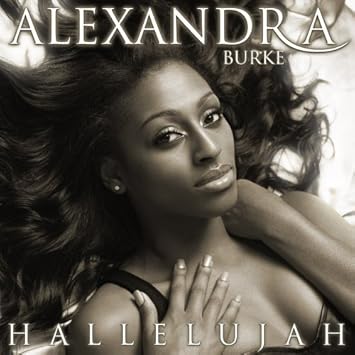
Hallelujah

Alexandra Burke


Released: December 17, 2008


First Charted: December 27, 2008


Peak: 13 UK, 53 AU (Click for codes to charts.)


Sales (in millions): 1.38 UK


Airplay/Streaming (in millions): -- radio, 201.88 video, 103.30 streaming

Awards (Leonard Cohen):

Click on award for more details.


Awards (Jeff Buckley):


Awards (Alexandra Burke):

Click on award for more details.

About the Song:

Malcolm Gladwell does a podcast on, as he says, “What happens when genius takes its sweet time to emerge?” RH He mentions economist David Galenson’s theory of creativity which divides art into conceptual innovation, marked by artists who work quickly and have immediate impact, and experimental innovation, in which artists don’t necessarily know what they’re trying to say right away and their influence takes time. RH Gladwell holds up Leonard Cohen’s “Hallelujah,” a song “about a love that has soured and gone stale,” SF as a quintessential example of experimental innovation. Rock critic Alan Light wrote an entire book about the song and said Cohen wrote 50 to 70 verses for the song, working on it for five years. RH

It finally emerged on his 1984 album Various Positions and was released in Spain and the Netherlands as a single, SF but it “barely makes a ripple…If you go back to listen to that first ‘Hallelujah,’ the song’s failure makes sense. It’s not there yet.” RH Michael Bartel calls the original version “so hyper-serious that it’s almost satire.” RH Cohen continued tweaking the song live and John Cale, known from the Velvet Underground, saw him perform it and requested the lyrics. Cohen responded with 15 faxed pages. Cale recorded it for the 1991 Leonard Cohen tribute album I’m Your Fan and, according to Light, “cracks the code of ‘Hallelujah.’” RH Cale’s recorded version included lyrics like “I used to live alone before I knew you” and “All I ever learned from love was how to shoot at someone who outdrew you” which Cohen had only performed live. WK

It’s Cale’s version that Jeff Buckley heard and decides to record. Gladwell called it the “definitive one…a cover of John Cale’s cover…only with Cale’s piano swapped out for a guitar.” RH He said “every subsequent cover – and there have been hundreds – are really covers of Buckley covering Cale covering Cohen.” RH

Buckley recorded it for Grace, his only studio album released before his death in 1997. That album achieved gold status in the U.S. in 2002, but the song didn’t even chart until 2006, reaching #7 in Norway. The next year it reached the top 3 in Sweden. In March of 2008 it topped the Billboard digital song chart after Jason Castro performed the song on American Idol. In 2017, The International Observer named Buckley’s version the greatest song of all time. WK Time magazine quoted Buckley’s publisher as saying of the song that it “can be joyous or bittersweet, depending on what part of it you use.” WK

The song surfaced again in the 2001 film Shrek. Rufus Wainwright recorded the song as a tribute to Buckley. It was used on the soundtrack and reached #97 on the UK charts. However, it was Cale’s version which was actually used in the film. There were also successful chart versions by k.d. lang, Justin Timberlake, and Alexandra Burke. Lang first recorded “Hallelujah” in 2004, but it was her 2010 version performed at the Vancouver Winter Olympics in 2010 which gave her chart success, reaching #2 in Canada. That same year, Justin Timberlake reached #13 on the U.S. charts with his duet version with Matt Morris.

Alexandra Burke won the fifth series television talent competition The X Factor in England and her recording of “Hallelujah” became the top-selling song of 2008, reaching #1 in the UK and selling more than a million copies. It set the European record for most singles sold in a 24-hour period. WK Buckley’s version was given a major boost as a result; it reached #2 in the UK (behind Burke’s version) and #1 in France.


Resources:


Related Links:


First posted 9/18/2021; last updated 5/2/2024.