Showing posts with label power ballads. Show all posts

Wednesday, June 3, 2020

Top 100 Power Ballads

First posted 6/3/2020.

Power Ballads:

Top 100 Songs

Classic rock came about in the 1970s, built on the backs of staples from the ‘60s like Beatles, the Rolling Stones, and the Who. Newer acts like Led Zeppelin, Aerosmith, the Eagles, Fleetwood Mac, Rush, and Boston were added to the fold to create a radio format which still maintains presences in major U.S. markets.

As rock became more commercialized, some acts like Foreigner, Journey, REO Speedwagon, and Styx were mocked as “corporate rock” for their more pop-friendly songs. One of the trends was for such bands was to produce “power ballads,” which were slower-tempo songs which fit well into adult contemporary radio and attracted female fans in addition to the more male-oriented fans which dominated classic rock. As the ‘80s wore on, the trend extended to more glammed-up “hair bands” (Bon Jovi, Def Leppard, Poison, Mötley Crüe) also crooning about love and finding huge success.

This list of the top power ballads of all time was created by aggregating more than 25 best-of lists. Click here to see other genre and category specific song lists.

1. Poison “Every Rose Has Its Thorn” (1989)
2. Foreigner “I Want to Know What Love Is” (1984)
3. Heart “Alone” (1987)
4. Whitesnake “Is This Love?” (1987)
5. Guns N’ Roses “November Rain” (1991)
6. Skid Row “I Remember You” (1989)
7. Night Ranger “Sister Christian” (1984)
8. Aerosmith “I Don’t Want to Miss a Thing” (1998)
9. Bonnie Tyler “Total Eclipse of the Heart” (1983)
10. Cinderella “Don’t Know What You Got ‘Til It’s Gone” (1988)

11. Def Leppard “Love Bites” (1987)
12. Meat Loaf “I’d Do Anything for Love But I Won’t Do That” (1993)
13. Warrant “Heaven” (1989)
14. REO Speedwagon “Keep on Loving You” (1980)
15. Bon Jovi “Always” (1994)
16. Journey “Open Arms” (1981)
17. Mötley Crüe “Home Sweet Home” (1985)
18. Journey “Faithfully” (1983)
19. Bad English “When I See You Smile” (1989)
20. Cutting Crew “I Just Died in Your Arms” (1987)

21. Tesla “Love Song” (1989)
22. Cheap Trick “The Flame” (1988)
23. Journey “Don’t Stop Believin’” (1981)
24. Prince & the Revolution “Purple Rain” (1984)
25. Aerosmith “Dream On” (1973)
26. The Cars “Drive” (1984)
27. The Scorpions “Wind of Change” (1990)
28. Bon Jovi “I’ll Be There for You” (1988)
29. REO Speedwagon “Can’t Fight This Feeling” (1984)
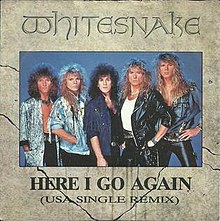
30. Whitesnake “Here I Go Again” (1987)

31. U2 “With Or Without You” (1987)
32. Queensrÿche “Silent Lucidity” (1990)
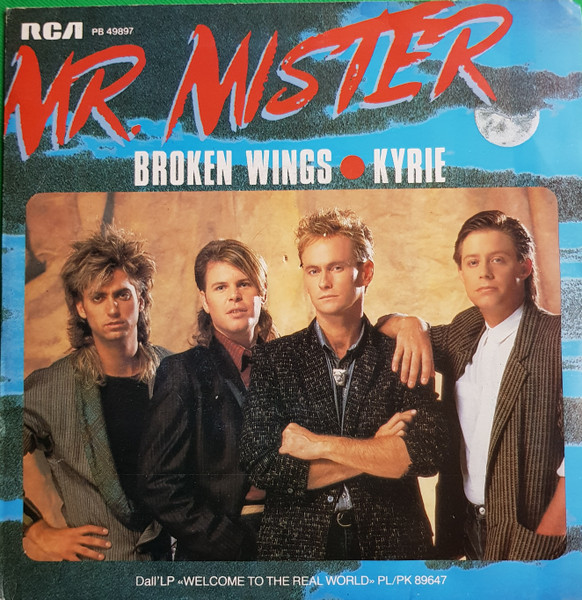
33. Mr. Mister “Broken Wings” (1985)
34. Starship “Nothing’s Gonna Stop Us Now” (1987)
35. Nazareth “Love Hurts” (1975)
36. The Scorpions “Still Loving You” (1984)
37. Bryan Adams “Heaven” (1984)
38. Boston “Amanda” (1986)
39. John Waite “Missing You” (1984)
40. Boston “More Than a Feeling” (1976)

41. Bon Jovi “Never Say Goodbye” (1986)
42. Guns N’ Roses “Patience” (1988)
43. Bryan Adams “(Everything I Do) I Do It for You” (1991)
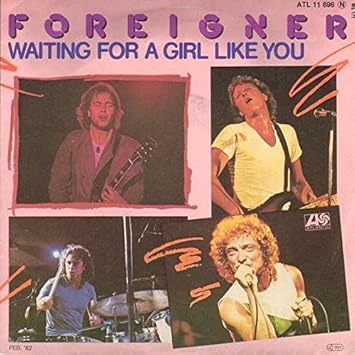
44. Foreigner “Waiting for a Girl Like You” (1981)
45. Chicago “Hard to Say I’m Sorry” (1982)
46. Kiss “Beth” (1976)
47. Alias “More Than Words Can Say” (1990)
48. Metallica “Nothing Else Matters” (1991)
49. Harry Nisson “Without You” (1971)
50. Phil Collins “Against All Odds” (1984)

51. Eric Carmen “All by Myself” (1975)
52. Lita Ford with Ozzy Osbourne “Close My Eyes Forever” (1988)
53. Aerosmith “Angel” (1988)
54. Goo Goo Dolls “Iris” (1998)
55. Led Zeppelin “Stairway to Heaven” (1971)
56. The Beatles “Something” (1969)
57. John Farnham “You’re The Voice” (1986)
58. Bangles “Eternal Flame” (1988)
59. Alannah Myles “Black Velvet” (1989)
60. Thunder “Love Walked In” (1990)

61. T’Pau “China in Your Hand” (1987)
62. Alice Cooper “Poison” (1989)
63. Nickelback “How You Remind Me” (2001)
64. Slaughter “Fly to the Angels” (1990)
65. Aerosmith “What It Takes” (1989)
66. Styx “Lady” (1973)
67. Europe “Carrie” (1986)
68. Sinéad O’Connor “Nothing Compares 2 U” (1990)
69. Chad Kroeger with Josey Scott “Hero” (2002)
70. Heart “These Dreams” (1986)

71. Mr. Big “To Be with You” (1991)
72. Def Leppard “Hysteria” (1987)
73. Roxette “It Must Have Been Love” (1990)
74. Poison “Something to Believe In” (1990)
75. Loverboy “Heaven in Your Eyes” (1986)
76. Roxette “Listen to Your Heart” (1989)
77. L.A. Guns “The Ballad of Jayne” (1990)
78. Van Halen “When It’s Love” (1988)
79. White Lion “When the Children Cry” (1987)
80. The Beatles “Let It Be” (1970)

81. Red Hot Chili Peppers “Under the Bridge” (1991)
82. Chicago “You’re the Inspiration” (1984)
83. Pink Floyd “Wish You Were Here” (1975)
84. Maria McKee “Show Me Heaven” (1990)
85. Metallica “The Unforgiven” (1991)
86. The Rolling Stones “Angie” (1973)
87. The Beatles “Yesterday” (1965)
88. The Rolling Stones “Wild Horses” (1971)
89. Eric Clapton “Tears in Heaven” (1992)
90. Def Leppard “When Love and Hate Collide” (1995)

91. Damn Yankees “High Enough” (1990)
92. Pearl Jam “Black” (1991)
93. Kansas “Dust in the Wind” (1978)
94. Tina Turner “We Don’t Need Another Hero” (1985)
95. Extreme “More Than Words” (1990)
96. Styx “Babe” (1979)
97. Van Halen “Love Walks In” (1986)
98. Eric Clapton “Wonderful Tonight” (1977)
99. Billy Idol “Eyes Without a Face” (1984)
100. Berlin “Take My Breath Away” (1986)

Saturday, October 10, 1987

Whitesnake hit #1 with “Here I Go Again”

Here I Go Again

Whitesnake

Writer(s): David Coverdale, Bernie Marsden (see lyrics here)


Released: July 1987


First Charted: May 30, 1987


Peak: 11 US, 12 CB, 11 HR, 4 AR, 9 UK, 11 CN, 24 AU, 6 DF (Click for codes to singles charts.)


Sales (in millions): -- US, 0.4 UK


Airplay/Streaming (in millions): 6.0 radio, 178.1 video, 389.23 streaming

Awards:

Click on award for more details.

About the Song:

After a three-year stint as the lead singer of Deep Purple, David Coverdale formed his own band, Whitesnake, in 1977. The band has undergone multiple incarnations with Coverdale being the only constant. They reached their commercial peak in 1987 – with a song from five years earlier. The band originally recorded the power ballad “Here I Go Again” for their 1982 album, Saints and Sinners. It reached #34 on the UK charts and didn’t go anywhere in the U.S. However, when Coverdale & Co. re-recorded it in 1987, it took off.

Coverdale wrote the breakup song after the end of his first marriage. Regarding the recording, Coverdale said, “I was totally disappointed. He said, “the only thing that stands up…is the emotional security of the vocal performance. There’s a very limp performance from some very exceptional musicians.” FB

After signing to Geffen Records, Whitesnake made a move from being “essential a blusey hard rock band” SG in the late ‘70s and early ‘80s toward glam metal with their self-titled 1987 album, The company’s John David Kolodner convinced Coverdale to re-record “Here I Go Again.” FB The new version became “a beautifully dumb fist-pumper anthem.” SG

It owed a great deal of its success to the iconic video featuring Tawny Kitaen. Claudia Schiffer was set to star in their video for the lead single, “Still of the Night.” When she backed out, director Marty Callner, who’d worked on videos for Bon Jovi’s “You Give Love a Bad Name” and “Livin’ on Prayer,” tapped Kitaen, who was dating Coverdale, as “the Whitesnake woman.” SG She starred in that video as well as “Here I Go Again” and “Is This Love.” In “Here I Go Again” “she is a true human spectacle as [she] busts elite-level stripper moves” SG across cars in a “sheer white bathrobe-dress.” SG She “pretty much invented the video-vixen career path.” SG


Resources:

  • DMDB encyclopedia entry for Whitesnake
  • FB Fred Bronson (2007). The Billboard Book of Number One Hits (4th edition). Billboard Books: New York, NY. Page 678.
  • SG Stereogum (3/17/2021). “The Number Ones” by Tom Breihan
  • WK Wikipedia


First posted 12/1/2021; last updated 10/29/2022.

Saturday, December 7, 1985

Mr. Mister “Broken Wings” hit #1

Broken Wings

Mr. Mister

Writer(s): Richard Page, Steve George, John Lang (see lyrics here)


Released: June 1985


First Charted: August 24, 1985


Peak: 12 US, 12 CB, 2 GR, 11 RR, 3 AC, 4 AR, 1 CO, 4 UK, 11 CN, 4 AU, 2 DF (Click for codes to charts.)


Sales (in millions): -- US, 0.2 UK


Airplay/Streaming (in millions): -- radio, 176.0 video, 227.34 streaming

Awards:

Click on award for more details.

About the Song:

“If you’re looking for reasons to make fun of ’80s pop music – the fashion, the keyboards, the blaring guitar leads, the almost disarmingly terrible band names – then [Richard] Page’s band Mr. Mister makes for a great target. Mr. Mister didn’t rock. They made ultra-produced, vaguely worded expensive-digital-studio music, and they embodied a moment when that was what pop radio wanted.” SG

The group emerged after Richard Page and high school friend Steve George worked together in Andy Gibb’s backing band. They formed the band Pages, releasing three albums and charting with the the song “I Do Believe in You,” (#84, 1979). After they split, Page did backing vocals with DeBarge, Neil Diamond, Amy Grant, Al Jarreau, Mötley Crüe, John Parr, REO Speedwagon, and Twisted Sister. He said he was even asked to replace Bobby Kimball in Toto and Peter Cetera in Chicago. Instead, he and George reunited to form Mr. Mister. Their 1984 album I Wear the Face gave them a #57 hit with “Hunters of the Night.”

Their sophomore album, Welcome to the Real World, was a much bigger success. Page, George, and their old Pages bandmate John Lang wrote “Broken Wings” for that album in about 20 minutes. As Page says, “The drum machine was going. I started with the bass line. Before I knew it, the song was done.” FB Lang wrote the lyrics, basing them on the 1912 philosophical novel Broken Wings by Lebanese poet Khalil Gibran. SG

The record company balked at releasing “Broken Wings” as the third single, favoring something more upbeat. The band, however, thought it was the strongest track and fought for it. Initially it looked like they were going to be proven wrong. It was several months after the song’s release before it charted, which is usually a death knell for a song. Then it started to catch on in Minneapolis and Denver and the record company jumped on it. FB

“The song’s level of drama is absurd, almost fantastical, and it pulls it off.” SG It is about trying to “keep a relationship together through the magic of flowery language.” SG The song “captures a state of sustained anticipation. The synths drone and sigh. The guitars whine and howl. The bassline mutters dejectedly to itself. Little funk-guitar ripples glide across the surface…It’s like the whole song is holding its breath, waiting to see if the whole “take these broken wings” line is going to save this relationship.” SG


Resources:

  • DMDB encyclopedia entry for Mr. Mister
  • FB Fred Bronson (2007). The Billboard Book of Number One Hits (4th edition). Billboard Books: New York, NY. Page 625.
  • SG Stereogum (11/13/2020). “The Number Ones” by Tom Breihan


First posted 12/29/2022; last updated 1/15/2023.

Saturday, April 16, 1983

Journey “Faithfully” charted

Faithfully

Journey

This post moved here.

Saturday, January 30, 1982

Foreigner spends 10th week at #2 with “Waiting for a Girl Like You”

Waiting for a Girl Like You

Foreigner

This post has been moved here.

Saturday, December 7, 1974

Styx “Lady” charted

Lady

Styx

Writer(s): Dennis DeYoung (see lyrics here)


Released: September 1973


First Charted: December 7, 1974


Peak: 6 BB, 6 CB, 3 GR, 7 HR, 7 RR, 5 CL, 19 CN, 23 AU, 2 DF (Click for codes to charts.)


Sales (in millions): --


Airplay/Streaming (in millions): -- radio, 20.6 video, 29.04 streaming

Awards:

Click on award for more details.

About the Song:

Styx formed in 1972 in Chicago, Illinois. The band became arguably the biggest stadium rockers of the late ‘70s and early ‘80s, but their beginnings were rather humble. The original lineup consisted of singer and keyboardist Dennis DeYoung, guitarist James “J.Y.” Young, guitarist John Curulewski, bassist Chuck Panozzo, and drummer John Panozzo.

The quartet released four albums with Wooden Nickel that showed no indication of where this band would go. In 1974, however, their fortunes changed thanks to the power ballad “Lady.” The song, which first appeared on Styx II, was originally released as a single in September 1973. At the time it became a local hit in Chicago, but was ignored elsewhere.

However, Jim Smith, a DJ on Chicago station WLS, heard the song on a jukebox in a Chicago pizza place. He convinced the management at his radio station to let him play the song. His show had audiences in 38 states and even some foreign countries. WK The new-found attention launched “Lady” into the national spotlight and a re-release sent it up the charts where it peaked at #6 on the Billboard Hot 100.

Dennis DeYoung has stated this was the first song he wrote for his wife, Suzanne. He wrote the song in 1972 but the record company rejected it for Styx’s first album. SF When the band recorded it for their second album, DeYoung performed it on an acoustic piano although he’d originally written it on electric piano. He preferred the acoustic sound. WK DeYoung has said radio stations were unsure how to classify the song because it started slow and then picked up. SF The Detroit Metro Times called it “the first true power ballad.” MT


Resources:


Related Links:


First posted 2/14/2024.