Saturday, April 27, 2024

Hozier “Too Sweet” hit #1

Too Sweet

Hozier

Writer(s): Andrew Hozier-Byrne, Daniel Tannenbaum, Peter Gonzales, Sergiu Gherman, Stuart Johnson, Tyler Mehlenbacher, Daniel Krieger (see lyrics here)


Released: March 29, 2024


First Charted: April 3, 2024


Peak: 11 BB, 12 BA, 11 ST, 14 RR, 3 AC, 112 A40, 110 AA, 17 MR, 12 UK, 2 CN, 11 AU, 12 DF (Click for codes to charts.)


Sales (in millions): 4.0 US, 1.2 UK, 6.51 world (includes US + UK)


Airplay/Streaming (in millions): -- radio, 243.62 video, 1192.65 streaming

Awards:

Click on award for more details.

About the Song:

Singer/songwriter Andrew John Hozier-Byrne (stage name Hozier) was born in Newcastle, Ireland, on March 17, 1990. His mix of folk, blues, and pop made for an unexpected #2 hit in 2013 with the anthemic, gospel-tinged “Take Me to Church.” It seemed to be an anomaly, unlike anything else at the time and, sure enough, looked like it would be a one-hit wonder for Hozier. Then a decade later, he had a minor hit with “Eat Your Young”creeping up to #67 on the Billboard Hot 100.

That same year saw ozier back in the top 40as Noah Kahan’s duet partner on “Northern Attitude.” Hozier appeared to be on the radar again. His melding of genres now fit alongside the wave of “New Americana” led by Noah Kahan. Still, it’s hard to imagine anyone had it on their bingo card that Hozier would land a #1 hit in 2024, making him the first Irish act since SinĂ©ad O'Connor (“Nothing Compares 2 U”) in 1990 to hit #1 in the U.S.. “Too Sweet”not only topped the U.S. charts, but peaked at #1 in Australia, Iceland, Ireland, New Zealand, Norway, and the UK.

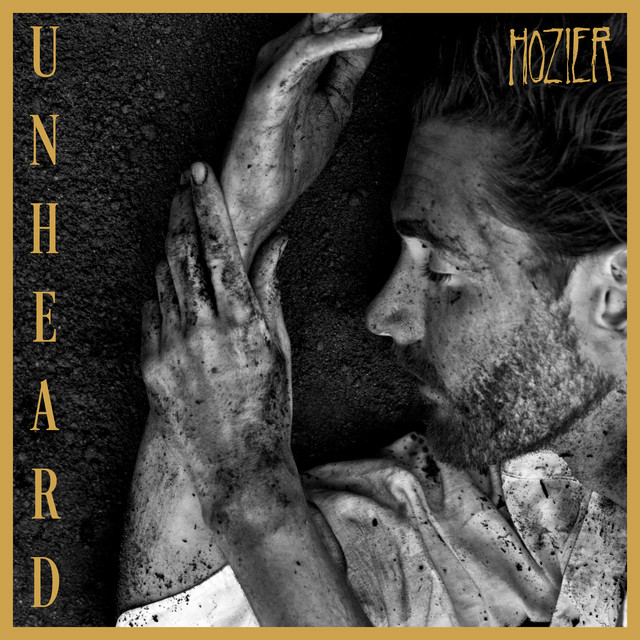
The song, “Too Sweet,” was released as a single from his EP Unheard, a collection of four previously unreleased tracks leftover from his sessions for third studio album Unreal Unearth. Hozier said the songs fit the themes of “gluttony, limbo, violence and the outward ascent,” WK a reference to Dante’s Inferno, SF that had marked the original album.

The song has been described as “a boozy ballad” SF in which “Hozier meeting the rhythm of a true night owl, sipping whiskey and drinking black coffee. Additionally, it shows the facets and multitudes of a relationship.” WK She “is a devotee of discipline, health, and early mornings” SF while “he makes use of the various pleasures of life.” WK He sings about favoring “rawness because his partner is ‘already too sweet.’” WK It “paints a picture of a love affair teetering on the edge thanks to a fundamental mismatch in energy levels. It's like trying to waltz with a hyperactive ferret.” SF


Resources:


Related Links:


First posted 10/16/2024; last updated 12/27/2024.

Tuesday, April 23, 2024

Rock and Roll Hall of Fame Inductees Ranked

Rock and Roll Hall of Fame Inductees Ranked:

1986-2024

With every year’s announcement of the Rock and Roll Hall of Fame inductees, there are two guarantees – there will be a slew of complaints about who hasn’t been inducted and who has been inducted who shouldn’t have been. This challenged me to come up with an objective rating of the inductees to determine just who has earned it most and who hasn’t. These rankings consolidate multiple best-artists-of-all-time lists along with sales figures, chart statistics, and other awards and honors. In the event of ties, earliest inductees are listed first. Here are the Rock and Roll Hall of Fame inductees ranked.

See other Hall of Fames.

1. The Beatles
2. Elvis Presley
3. The Rolling Stones
4. Bob Dylan
5. Paul McCartney
6. Elton John
7. David Bowie
8. Michael Jackson
9. Bruce Springsteen
10. Stevie Wonder

11. John Lennon
12. Prince
13. U2
14. Madonna
15. Led Zeppelin
16. Eric Clapton
17. The Who
18. Pink Floyd
19. Jimi Hendrix
20. Queen

21. Aretha Franklin
22. R.E.M.
23. Ray Charles
24. Neil Young
25. James Brown
26. Marvin Gaye
27. Billy Joel
28. The Beach Boys
29. George Harrison
30. Rod Stewart

31. George Martin
32. Eagles
33. Louis Armstrong
34. Fleetwood Mac
35. Smokey Robinson
36. Irving Azoff
37. Johnny Cash
38. Berry Gordy Jr.
39. Sam Phillips
40. Radiohead

41. Lou Reed
42. The Bee Gees
43. Aerosmith
44. Nat “King” Cole
45. Whitney Houston
46. Jerry Wexler
47. Ringo Starr
48. Tom Petty & the Heartbreakers
49. Chuck Berry
50. Jay-Z

51. Pearl Jam
52. Bob Marley
53. Tina Turner
54. Willie Nelson
55. Guns N’ Roses
56. The Police
57. Dolly Parton
58. The Supremes
59. Nirvana
60. Eminem

61. The Temptations
62. Rush
63. Van Morrison
64. John Mellencamp
65. Yes
66. Carole King
67. Elvis Costello
68. Genesis
69. Eddie Holland
70. Journey

71. Fats Domino
72. Brian Holland
73. Paul Simon
74. Peter Gabriel
75. Lionel Richie
76. Lamont Dozier
77. Simon & Garfunkel
78. Metallica
79. The Doors
80. Van Halen

81. Billie Holiday
82. Jerry Leiber
83. Sam Cooke
84. Roy Orbison
85. Chicago
86. Herb Alpert
87. Mike Stoller
88. Phil Spector
89. The Kinks
90. Clive Davis

91. Bon Jovi
92. Velvet Underground
93. Ahmet Ertegun
94. B.B. King
95. Jimmy Iovine
96. Santana
97. Little Richard
98. Janet Jackson
99. AC/DC
100. Buddy Holly


101. Nesuhi Ertegun
102. Leonard Chess
103. Neil Diamond
104. Stevie Nicks
105. Brian Epstein
106. Crosby, Stills & Nash
107. Kenny Gamble
108. Green Day
109. Def Leppard
110. Leon Huff

111. Miles Davis
112. Bob Seger
113. Black Sabbath
114. Kiss
115. Bernie Taupin
116. Hank Williams
117. Creedence Clearwater Revival
118. Otis Redding
119. The Miracles
120. The Jackson 5

121. The Allman Brothers Band
122. Todd Rundgren
123. The Clash
124. Foreigner
125. Frank Zappa
126. ZZ Top
127. George Michael
128. Dire Straits
129. Deep Purple
130. Lynyrd Skynyrd

131. Jerry Lee Lewis
132. Muddy Waters
133. Abba
134. Linda Ronstadt
135. The Everly Brothers
136. The Byrds
137. The Moody Blues
138. Red Hot Chili Peppers
139. Andrew Loog Oldham
140. Sheryl Crow

141. Cream
142. The Band
143. The Cure
144. Electric Light Orchestra
145. Glyn Johns
146. Brenda Lee
147. Cher
148. Ozzy Osbourne
149. Quincy Jones
150. The Drifters

151. David Geffen
152. Daryl Hall & John Oates
153. Depeche Mode
154. Barry Mann
155. Sly & the Family Stone
156. Sex Pistols
157. James Taylor
158. The Ink Spots
159. Jim Stewart
160. Foo Fighters

161. Bessie Smith
162. Cynthia Weil
163. T-Rex
164. Eurythmics
165. Robert Johnson
166. Tom Waits
167. Al Green
168. Grateful Dead
169. Gerry Goffin
170. Clarence Avant

171. Duran Duran
172. Chris Blackwell
173. Jeff Barry
174. The Doobie Brothers
175. John Hammond
176. Blondie
177. Talking Heads
178. Jac Holzman
179. Terry Lewis
180. Jimmy Jam

181. Jon Landau
182. Patti Smith
183. Tom Dowd
184. Jerry Moss
185. Pat Benatar
186. Mo Ostin
187. Steely Dan
188. The Cars
189. The Platters
190. Louis Jordan

191. Bill Graham
192. Milt Gabler
193. Dave Bartholomew
194. Seymour Stein
195. Beastie Boys
196. Joni Mitchell
197. Four Tops
198. Jefferson Airplane/Jefferson Starship
199. Ramones
200. Earth, Wind & Fire


201. Art Rupe
202. Gladys Knight & the Pips
203. Carly Simon
204. Ellie Greenwich
205. Public Enemy
206. Donna Summer
207. Syd Nathan
208. Cat Stevens
209. The Righteous Brothers
210. Pretenders

211. Bonnie Raitt
212. Bobby Darin
213. Ike Turner
214. Les Paul
215. Curtis Mayfield
216. Kool & the Gang
217. Dionne Warwick
218. The Yardbirds
219. Roxy Music
220. Tupac Shakur (2pac)

221. The Animals
222. Nine Inch Nails
223. Heart
224. Jackson Browne
225. The Four Seasons
226. Bobby “Blue” Bland
227. Kate Bush
228. Parliament/Funkadelic
229. Bo Diddley
230. Jeff Beck

231. Mary J. Blige
232. Dave Matthews Band
233. Norman Whitfield
234. Otis Blackwell
235. Janis Joplin
236. Ricky Nelson
237. Jackie Wilson
238. Doc Pomus
239. Harry Belafonte
240. John Lee Hooker

241. Isaac Hayes
242. LL Cool J
243. Bill Haley
244. Judas Priest
245. Howlin’ Wolf
246. Randy Newman
247. The Stooges
248. Jimmy Buffett
249. Bill Black
250. Joan Jett

251. Run-D.M.C.
252. Mort Shuman
253. Traffic
254. Etta James
255. Kraftwerk
256. Alice Cooper
257. Steve Miller Band
258. Woody Guthrie
259. Huddie “Leadbelly” Ledbetter
260. Cheap Trick

261. Jimmie Rodgers
262. Leonard Cohen
263. The Hollies
264. Stevie Ray Vaughan & Double Trouble
265. Dinah Washington
266. Charlie Christian
267. Wilson Pickett
268. The Shirelles
269. Big Joe Turner
270. Isley Brothers

271. The Spinners
272. The Mamas & the Papas
273. Don Kirshner
274. The Impressions
275. Alan Freed
276. Rage Against the Machine
277. The Coasters
278. Ferdinand “Jelly Roll” Morton
279. Dion & The Belmonts
280. Pete Seeger

281. Chaka Khan/Rufus
282. Buffalo Springfield
283. Willie Dixon
284. Chet Atkins
285. Dick Clark
286. Dave Clark Five
287. The O’Jays
288. Scotty Moore
289. James Burton
290. Missy Elliott

291. Peter Frampton
292. The (Young) Rascals
293. N.W.A.
294. Booker T. & the MG’s
295. Dusty Springfield
296. DJ Fontana
297. Don Cornelius
298. Clyde McPhatter
299. Bob Wills
300. Nina Simone


301. T-Bone Walker
302. Joan Baez
303. Martha & the Vandellas
304. Sylvia Robinson
305. The Notorious B.I.G.
306. Bill Withers
307. Elmore James
308. A Tribe Called Quest
309. The Ronettes
310. Tom Donahue

311. Ruth Brown
312. Bill Monroe
313. Charley Patton
314. Eddie Cochran
315. Buddy Guy
316. John Mayall
317. Lovin’ Spoonful
318. The Flamingos
319. The Go-Go’s
320. Grandmaster Flash & the Furious Five

321. Donovan
322. Frankie Lymon & the Teenagers
323. Al Kooper
324. Freddy King
325. The Dells
326. The Faces
327. Del Shannon
328. Duane Eddy
329. Lloyd Price
330. Percy Sledge

331. Ma Rainey
332. Hank Ballard & the Midnighters
333. The MC5
334. LaVern Baker
335. Ritchie Valens
336. The Staple Singers
337. Little Walter
338. Carl Perkins
339. Nile Rodgers
340. The Zombies

341. Sam & Dave
342. Little Anthony & the Imperials
343. Solomon Burke
344. Albert King
345. Mahalia Jackson
346. Gene Pitney
347. The Small Faces
348. Sister Rosetta Tharpe
349. Billy Preston
350. Charles Brown

351. The Orioles
352. Jimmy Reed
353. Bobby Womack
354. Gene Vincent
355. Little Willie John
356. The Ventures
357. Professor Longhair
358. Big Mama Thornton
359. The Moonglows
360. The E Street Band

361. Link Wray
362. Allen Toussaint
363. Leon Russell
364. James Jamerson
365. Johnny Otis
366. Dr. John
367. Randy Rhoads
368. Wanda Jackson
369. Lou Adler
370. Jimmy Cliff

371. Darlene Love
372. Hal Blaine
373. Floyd Cramer
374. Gil Scott-Heron
375. Earl Palmer
376. The Soul Stirrers
377. The Five Royales
378. Johnnie Johnson
379. Cosimo Matassa
380. Laura Nyro

381. Spooner Oldham
382. Ralph Bass
383. Bennie Benjamin
384. Steve Douglas
385. Jesse Stone
386. King Curtis
387. Leo Fender
388. Paul Ackerman
389. DJ Kool Herc
390. Eilzabeth Cotten

391. Bert Berns
392. Jimmy Yancey
393. Paul Butterfield Blues Band
394. Jann Wenner
395. Neil Giraldo
396. Frank Barsalona
397. Allen Grubman
398. Alexis Korner
399. Suzanne De Passe


Resources/Related Links:


First posted 12/14/2018; last updated 4/23/2024.

Sunday, April 21, 2024

Laurel Canyon: Top 100 Songs

Laurel Canyon:

Top 100 Songs

Laurel Canyon is a mountainous neighborhood within the Hollywood Hills West district of Los Angeles, California. From the mid-‘60s to the mid-‘70s, it became “a nexus of counterculture activity and attitudes,” WK serving as a mecca for musicians including Jackson Browne, the Byrds, Buffalo Springfield, Canned Heat, Crosby Stills & Nash, Ned Doheny, members of the Eagles, Carole King, Love, members of the Mamas & the Papas, John Mayall, Joni Mitchell, the Monkees’ Micky Dolenz and Peter Tork, Jim Morrison (of the Doors), Harry Nilsson, Gram Parsons, Bonnie Raitt, Linda Ronstadt, Judee Sill, J.D. Souther, James Taylor, Brian Wilson (of the Beach Boys), Neil Young, and Frank Zappa.

18 lists focused on songs from Laurel Canyon were aggregated together. Those songs were narrowed down to those which were released between 1965 and 1975 and appeared on three or more lists. That left 149 songs. The top 50 songs were automatically in. For the next 50, I took the remaining songs and sorted them by overall status in Dave’s Music Database. Those top 50 were then added to the list, sorted by their points on the Laurel Canyon lists.

Check out the Spotify playlist of these songs here..

Click here to see other genre-specific song lists.

1. Buffalo Springfield “For What It’s Worth” (1966)
2. Crosby, Stills, Nash & Young “Our House” (1970)
3. The Mamas & the Papas “California Dreamin’” (1965)
4. The Mamas & the Papas “Twelve Thirty (Young Girls Are Coming to the Canyon)” (1967)
5. The Doors “Love Street” (1968)
6. The Turtles “Happy Together” (1967)
7. The Byrds “Turn! Turn! Turn! (To Everything There Is a Season)” (1965)
8. Eagles “Take It Easy” (1972)
9. America “Ventura Highway” (1972)
10. Jackson Browne “Doctor My Eyes” (1972)

11. Joni Mitchell “Big Yellow Taxi” (1970)
12. Stephen Stills “Love the One You’re With” (1970)
13. The Byrds “Mr. Tambourine Man” (1965)
14. Crosby, Stills and Nash “Suite: Judy Blue Eyes” (1969)
15. The Mamas & the Papas “Monday Monday” (1966)
16. Linda Ronstadt “You’re No Good” (1974)
17. The Byrds “So You Wanna Be a Rock and Roll Star” (1967)
18. Joni Mitchell “The Circle Game” (1970)
19. Eagles “Witchy Woman” (1972)
20. Poco “Pickin’ Up the Pieces” (1969)

21. Linda Ronstadt “When Will I Be Loved” (1974)
22. Buffalo Springfield “Mr. Soul” (1967)
23. The Byrds “Eight Miles High” (1966)
24. Carly Simon “You’re So Vain” (1972)
25. Love “Alone Again Or” (1967)
26. James Taylor “Fire and Rain” (1970)
27. Joni Mitchell “A Case of You” (1971)
28. Carole King “You’ve Got a Friend” (1971)
29. Flying Burrito Brothers “Christine’s Tune (Devil in Disguise)” (1969)
30. Crosby, Stills, Nash & Young “Teach Your Children” (1970)

31. Carole King “I Feel the Earth Move” (1971)
32. Linda Ronstadt with the Stone Poneys “Different Drum” (1967)
33. Carole King “So Far Away” (1971)
34. Judee Sill “Crayon Angels” (1971)
35. The Byrds “You Ain’t Goin’ Nowhere” (1968)
36. James Taylor “Sweet Baby James” (1970)
37. The Byrds “My Back Pages” (1967)
38. Carole King “It’s Too Late” (1971)
39. The Monkees “She” (1967)
40. Neil Young “Heart of Gold” (1972)

41. Eagles “Desperado” (1973)
42. Eagles “Tequila Sunrise” (1973)
43. The Mamas & the Papas “Go Where You Wanna Go” (1965)
44. Jackson Brown “Jamaica Say You Will” (1972)
45. Eagles “Peaceful, Easy Feeling” (1972)
46. Eagles “Already Gone” (1974)
47. Poco “A Good Feelin’ to Know” (1972)
48. Crosby, Stills, Nash & Young “Helplessly Hoping” (1969)
49. Little Feat “Dixie Chicken” (1973)
50. Mama Cass Elliot (of the Mamas & the Papas) “Dream a Little Dream of Me” (1968)

51. Buffalo Springfield “Expecting to Fly” (1967)
52. Leon Russell “Tight Rope” (1972)
53. The Monkees “I’m a Believer” (1966)
54. The Beach Boys “Wouldn’t It Be Nice” (1966)
55. The Doors “L.A. Woman” (1971)
56. Neil Young “Cinnamon Girl” (1969)
57. The Monkees “Last Train to Clarksville” (1966)
58. Eagles “Lyin’ Eyes” (1975)
59. Crosby, Stills & Nash with Neil Young “Ohio” (1970)
60. The Mamas & the Papas “Creeque Alley” (1967)

61. Eagles “Best of My Love” (1974)
62. Joni Mitchell “River” (1971)
63. The Doors “Touch Me” (1968)
64. Linda Ronstadt “Long Long Time” (1970)
65. Three Dog Night “Mama Told Me Not to Come” (1970)
66. Eagles “Take It to the Limit” (1975)
67. Joni Mitchell “Help Me” (1974)
68. Joni Mitchell “Both Sides Now” (1969)
69. America “Lonely People” (1974)
70. Crosby, Stills & Nash “Marrakesh Express” (1969)

71. The Byrds “I’ll Feel a Whole Lot Better” (1965)
72. Crosby, Stills & Nash “Wooden Ships” (1969)
73. The Turtles “It Ain’t Me, Babe” (1965)
74. The Byrds “All I Really Want to Do” (1965)
75. The Association “Never My Love” (1967)
76. The Doors “Light My Fire” (1967)
77. The Monkees “Daydream Believer” (1967)
78. James Taylor “You’ve Got a Friend” (1971)
79. The Doors “Hello, I Love You” (1968)
80. Neil Young “Old Man” (1972)

81. Crosby, Stills, Nash & Young “Woodstock” (1970)
82. The Doors “Riders on the Storm” (1971)
83. Eagles “One of These Nights” (1975)
84. The Doors “Break on Through” (1967)
85. James Taylor “How Sweet It Is to Be Loved by You” (1975)
86. Love “My Little Red Book” (1966)
87. Sonny & Cher “I Got You Babe” (1965)
88. Canned Heat “On the Road Again” (1968)
89. The Doors “People Are Strange” (1967)
90. The Doors “Roadhouse Blues” (1970)

91. Joni Mitchell “Free Man in Paris” (1974)
92. Joni Mitchell “Carey” (1971)
93. The Doors “Love Her Madly” (1971)
94. Canned Heat “Going Up the Country” (1968)
95. The Doors “Love Me Two Times” (1967)
96. The Monkees “Pleasant Valley Sunday” (1967)
97. Neil Young “Southern Man” (1970)
98. Neil Young “The Needle and the Damage Done” (1972)
99. Linda Ronstadt “Heat Wave” (1975)
100. Linda Ronstadt “The Tracks of My Tears” (1975)


Resources/Related Links:


First posted 4/21/2024; last updated 4/28/2024.

Wednesday, April 17, 2024

Chappell Roan’s “Good Luck, Babe!” first charted

Good Luck, Babe!

Chappell Roan

Writer(s): Chappell Roan, Justin Tranter, Dan Nigro (see lyrics here)


Released: April 5, 2024


First Charted: April 17, 2024


Peak: 4 BB, 11 RR, 17 AC, 9 A40, 2 UK, 4 CN, 4 AU (Click for codes to charts.)


Sales (in millions): 3.0 US, 0.6 UK, 4.32 world (includes US + UK)


Airplay/Streaming (in millions): -- radio, 83.30 video, 1087.71 streaming

Awards:

Click on award for more details.

About the Song:

Singer/songwriter Chappell Roan was born Kayleigh Rose Amstutz in 1998 in Willard, Missouri. Soon after uploading her song “Die Young” to YouTube in 2014, she was signed to Atlantic Records. She released the EP School Nights in 2017 and the single “Pink Pony Club” in 2020, the same year she was dropped by Atlantic. She started releasing songs independently in 2022 and the next year released her debut album, The Rise and Fall of a Midwest Princess.

The album went platinum and reached #2 in the U.S., charting six hits on the Billboard Hot 100, including the top 20 hit “Hot to Go!” However, most of that success came after the release of Roan’s freestanding single, “Good Luck, Babe!” became her first chart hit. The song reached the top 10 in multiple countries and went to #1 in Ireland and Poland. It received Grammy nominations for Song and Record of the Year.

She said she wanted “to write a big anthemic pop song.” WK While she recorded a demo of the song during the making of the Princess album, it didn’t feel right yet so it was shelved until a few months later. The final result has been described as “soft rock with ‘80s new wave synths” WK and has been compared to Kate Bush and Cyndi Lauper. WK NPR’s Sheldon Pearce called it the best pop song of the year. WK Rolling Stone, NME, and The Guardian all named it the top song of 2024.

Songfacts.com called the song “a breakup anthem with a twist.” SF Roan sings about a lesbian woman trying to deny her feelings for Roan and women in general. WK She said, “I needed to write a song about a common situation…within queer releationships – where someone is struggling to coming to terms with themselves. It’s a song about wishing well to someone who is avoidant of their true feelings.” SF Billboard’s Hannah Jocelyn celebrated “the song’s overt LGBTQ themes [that] represented a breakthrough for not just Roan’s career, but also a wider movement of young LGBTQ pop artists.” WK


Resources:


Related Links:


First posted 1/3/2025.

Tuesday, April 16, 2024

Today in Music (1964): The Rolling Stones released their debut album

England’s Newest Hitmakers

The Rolling Stones

Released: April 16, 1964 R, May 30, 1964 E

Peak: 11 US, 112 UK, -- CN, 13 AU Click for codes to charts.


Sales (in millions): 0.5 US, -- UK, 2.50 world (includes US and UK), 4.30 EAS


Genre: classic rock


R The Rolling Stones (UK)
E England’s Newest Hit Makers (US/Australia)


Tracks:

Click on a song title for more details.
  1. Not Fade Away [1:48]
  2. Route 66 [2:21]
  3. I Just Want to Make Love to You [2:18]
  4. Honest I Do [2:10]
  5. Mona (I Need You Baby) [3:33]
  6. Now I’ve Got a Witness [2:32]
  7. Little by Little [2:40]
  8. I’m a King Bee [2:37]
  9. Carol [2:34]
  10. Tell Me [4:05]
  11. Can I Get a Witness [2:56]
  12. You Can Make It if You Try [2:02]
  13. Walking the Dog> [3:09]

Total Running Time: 33:24 , 30:48 E


The Players:

  • Mick Jagger (vocals, tambourine, harmonica, maracas)
  • Keith Richards (guitar, backing vocals)
  • Brian Jones (guitar, backing vocals, harmonica, tambourine)
  • Bill Wyman (bass, backing vocals)
  • Charlie Watts (drums)
  • Ian Stewart (keyboards)

Rating:

3.999 out of 5.00 (average of 24 ratings)


Quotable:

“As hard-core as British R&B ever got” – Richie Unterberger, All Music Guide

Awards (The Rolling Stones/England’s Newest Hitmakers):

(Click on award to learn more).

About the Album

“The group’s debut album was the most uncompromisingly blues/R&B-oriented full-length recording they would ever release. Mostly occupied with covers, this was as hard-core as British R&B ever got; it’s raw and ready. But the Stones succeeded in establishing themselves as creative interpreters, putting ‘50s and early ‘60s blues, rock, and soul classics (some quite obscure to White audiences) through a younger, more guitar-oriented filter. The record’s highlighted by blistering versions of Route 66, Carol, the hyper-tempoed I Just Want to Make Love to You, I’m a King Bee, and Walking the Dog.” RU

As was often true of UK groups making it in the US in the ‘60s, albums didn’t make it across the ocean with the exact same track listings, covers, and sometimes even album names. When the UK album The Rolling Stones trekked overseas, the group’s cover of Bo Diddley’s Mona (I Need You Baby) was jettisoned, later to appear on the U.S. album Now! Instead, the U.S. release England’s Newest Hitmakers added the group’s “Bo Diddley-ized version of Buddy Holly’s Not Fade Away.” RU It was the Stones’ first top 10 in the UK and a minor hit in the U.S. “It’s not a big switch, a Bo Diddley-style cover of a Buddy Holly song bumping an actual Bo Diddley cover on the U.S. version.” BE

The Songs

Here’s a breakdown of each of the individual songs.

Not Fade Away

The Rolling Stones

Writer(s): Charles Hardin, Noman Petty


Recorded: 1/10/1964 at Regent Sound Studios; some sources say 1/28/1964 and 2/4/1964


Released: 3/6/1964 (single), England’s Newest Hitmakers (1964), Big Hits (High Tide & Green Grass) (1966), More Hot Rocks (Big Hits & Fazed Cookies) (1972), The Singles Collection: The London Years (1989), Forty Licks (2002), Grrr! (2012)


Peak: 48 BB, 44 CB, 52 HR, 7 CL, 3 UK, 33 AU Click for codes to charts.


Sales (in millions): --


Airplay/Streaming (in millions): -- radio, -- video, 13.98 streaming


About the Song:

Buddy Holly wrote and recorded this song in 1957 and it was released as the B-side of “Oh, Boy!” It employs a “modern version of African American religious chants” MG-50 in what became known as the Bo Diddley sound. In 1964, the Rolling Stones’ version of the song became their third single and first hit on the Billboard charts in the U.S.

The Stones’ version “is far superior…the five English boys take hold of the number and give it an irresistible drive.” MG-51 Keith Richards “transcend[s] the original with a more aggressive, more accentuated riff” MG-50 “that was far more ‘Bo Diddley than anything on the original version.” MG-51 The song marks “the real birth of the Stones” MG-51 as it “defines the true sound of the Rolling Stones for the very first time: the energy, the aggression, and the sensuality.” MG-51

Route 66

The Rolling Stones

Writer(s): Bobby Troup


Recorded: 1/3/1964 at Regent Sound Studios


Released: The Rolling Stones (1964), England’s Newest Hitmakers (1964)


Peak: -- Click for codes to charts.


Sales (in millions): --


Airplay/Streaming (in millions): -- radio, -- video, 18.34 streaming

Awards:

(Click on award to learn more).

About the Song:

Bobby Troup, known to television audiences for his role in the 1970s’ show Emergency!, wrote “Route 66” in 1946. Taking its name from the famous road connecting Chicago to Santa Monica, the song “represents a glorification of travel as a symbol of freedom.” MG-30 Nat “King” Cole was the first to record the song. Since then, it has been covered by Chuck Berry, Natalie Cole, the Cramps, Brian Setzer, Them, and, of course, the Rolling Stones. MG-30

The Stones “revisit the route west with a great deal more adrenaline.” MG-30 “They had already honed the number…onstage…[so] that by this point they were performing it like a well-oiled machine.” MG-30 “Bill lays down a nice groove and even attempts a walking bass line that seems to delight Charlie.” MG-30 “Mick has gained in assurance since ‘Come On,’ and his voice…now has the effect of truly bringing the song to life and focusing the listener’s attention.” MG-30 The song also features “a perfectly judged solo from Keith.” MG-30

I Just Want to Make Love to You

The Rolling Stones

Writer(s): Willie Dixon


Recorded: February 24-25, 1964, at Regent Sound Studios


Released: 6/12/1964 (B-side of “Tell Me”), The Rolling Stones (1964), England’s Newest Hitmakers (1964), The Singles Collection: The London Years (1989)


Peak: 38 CL Click for codes to charts.


Sales (in millions): --


Airplay/Streaming (in millions): -- radio, -- video, 4.85 streaming

Awards:

(Click on award to learn more).

About the Song:

Written by Willie Dixon and recorded by Muddy Waters in 1954, “I Just Want to Make Love to You” “is a blues number in the purest tradition of Chess Records, the label that epitomizes modern Chicago blues.” MG-31 It reached #4 on the R&B chart.

The Stones “upped the tempo relative to the original recording.” MG-31 The sound is “almost garage band.” MG-31 “If there is any need to point out one more difference between the Stones and the Beatles, this is it: while the Fab Four were singing ‘I Want to Hold Your Hand,’ the Stones were extolling the virtues of a far more raunchy form of intimacy!” MG-31

Honest I Do

The Rolling Stones

Writer(s): Jimmy Reed, Ewart Abner


Recorded: February 24-25, 1964, at Regent Sound Studios; possibly 1/10/1964 as well


Released: The Rolling Stones (1964), England’s Newest Hitmakers (1964)


Peak: -- Click for codes to charts.


Sales (in millions): --


Airplay/Streaming (in millions): -- radio, -- video, 2.75 streaming


About the Song:

Jimmy Reed recorded “Honest I Do” in 1957 and it hit #4 on the R&B chart. Keith Richards said, “Jimmy Reed was a very big model for us…We were fascinated by it, Brian and I. We would spend every spare moment trying to get down Jimmy Reed’s guitar sounds.” MG-32

Indeed the Stones’ version features Keith and Brian and “adheres fairly closely to Reed’s, with the same prominent snare drum, a reasonably slow tempo, and a bluesy harmonica.” MG-32 Jagger provides the latter, “drenched in a long and deep reverb whose effect is to accentuate the plaintive character of the lyrics.” MG-32

Mona (I Need You Baby)

The Rolling Stones

Writer(s): Ellas McDaniel


Recorded: 1/3/1964 at Regent Sound Studios


Released: The Rolling Stones (1964), Now! (1965)


Peak: -- Click for codes to charts.


Sales (in millions): --


Airplay/Streaming (in millions): -- radio, -- video, 3.56 streaming


About the Song:

Bo Diddley wrote and recorded this song and released it in 1957 as the B-side of “Hey! Bo Diddley.” He “was a major source of inspiration for young British and US groups at the beginning of the sixties.” MG-33 The song’s “syncopated rhythm that had its origins in the depths of the Mississippi Delta before being revisited in the Chess Records canon of electric blues was the source at which the Rolling Stones drank.” MG-33

The Stones’ version of “Mona” is “distinctively more aggressive and more tribal than the original.” MG-33 Richards’ and Jones’ twin-guitar attack “play the most prominent part…[in] creating an authentic Bo Diddley sound.” MG-33 “Jagger delivers the lyrics brilliantly, the particular quality of his voice bringing a feline character to the number.” MG-33

Now I’ve Got a Witness

The Rolling Stones

Writer(s): The Rolling Stones (as Nanker Phelge)


Recorded: 2/4/1964 at Regent Sound Studios


Released: The Rolling Stones (1964), England’s Newest Hitmakers (1964)


Peak: -- Click for codes to charts.


Sales (in millions): --


Airplay/Streaming (in millions): -- radio, -- video, 2.16 streaming


About the Song:

This song introduced the “Nanker Phelge” moniker as a means to credit a song to the Rolling Stones. The song was the introduction of keyboardist Ian Stewart as an unofficial member of the band and also featured Phil Spector and Gene Pitney. For this instrumental, Mick Jagger takes up tambourine instead of vocals. “It is the rhythm section that really shines, with Charlie Watts and Bill Wyman complementing each other to great effect.” MG-34

Little by Little

The Rolling Stones

Writer(s): The Rolling Stones (as Nanker Phelge), Phil Spector


Recorded: 2/4/1964 at Regent Sound Studios


Released: 3/6/1964 (B-side of “Not Fade Away”), The Rolling Stones (1964), England’s Newest Hitmakers (1964), The Singles Collection: The London Years (1989)


Peak: 47 CL Click for codes to charts.


Sales (in millions): --


Airplay/Streaming (in millions): -- radio, -- video, 3.49 streaming


About the Song:

While this wasn’t a cover, the Rolling Stones did borrow the title of a 1959 blues number by Junior Wells and Earl Hooker. Phil Spector and Mick Jagger wrote this “in a few minutes in a corridor at Regent Sound Studios,” MG-35 making for “a fine homage to the blues.” MG-35 The song “tells of a love that is dying little by little because the narrator of the song has discovered that his lover has been untrue.” MG-35

I’m a King Bee

The Rolling Stones

Writer(s): James Moore


Recorded: February 24-25, 1964, at Regent Sound Studios


Released: The Rolling Stones (1964), England’s Newest Hitmakers (1964)


Peak: -- Click for codes to charts.


Sales (in millions): --


Airplay/Streaming (in millions): -- radio, -- video, 3.60 streaming


About the Song:

“’I’m a King Bee’ is one of the most famous songs by Slim Harpo, the archetypal proponent of Louisiana or swamp blues. He recorded it in 1957, inspired by Melvin “Lil’ Son” Jackson’s “Rockin’ and Rollin’.” It wasn’t an immediate success but “became an essential number for British and US rock groups from Pink Floyd to the Doors and from the Grateful Dead to Led Zeppelin.” MG-36

The Rolling Stones’ “version provides an insight into the work performed by Brian and Keith on guitar, and by Mick on vocal to penetrate the secrets of this ‘devil’s music’ born in the bayous of Louisiana. Their adaptation differs from Slim Harpo’s original in the substantially greater rock ‘n’ roll energy and the significantly more suggestive dive with which they endow the song.” MG-36

Carol

The Rolling Stones

Writer(s): Chuck Berry


Recorded: 1/3/1964 at Regent Sound Studios


Released: The Rolling Stones (1964), England’s Newest Hitmakers (1964)


Peak: -- Click for codes to charts.


Sales (in millions): --


Airplay/Streaming (in millions): -- radio, -- video, 4.97 streaming


About the Song:

“Like many Chuck Berry songs, ‘Carol’ is an ode to adolescence, with the inevitable sleek automobiles, rock ‘n’ roll dancing joints, and, of course, the exaltation of female sensuality. To put it in a nutshell, it is a song on which the Chuck Berry legend was founded.” MG-37

“Compared to Chuck Berry’s version, the Stones’ seems to have been given a shot of adrenaline. Carried along by an excellent rhythm section consisting of Charlie…, Bill, and Brian, Keith…plays jubilant guitar licks that…closely resemble those of the inventor of the duckwalk – including the actual solo.” MG-37 Jimmy Page said of their recording, “They were really spitting it out. The whole vibe of it was just great.” MG-37

Tell Me (You’re Coming Back)

The Rolling Stones

Writer(s): Mick Jagger, Keith Richards


Recorded: February 24-25, 1964, at Regent Sound Studios


Released: 6/12/1964 (single), The Rolling Stones (1964), England’s Newest Hitmakers (1964), Big Hits (High Tide & Green Grass) (1966), More Hot Rocks (Big Hits & Fazed Cookies) (1972), The Singles Collection: The London Years (1989)


Peak: 24 BB, 27 CB, 26 HR, 14 CL, 9 CN, 32 AU Click for codes to charts.


Sales (in millions): --


Airplay/Streaming (in millions): -- radio, -- video, 3.93 streaming


About the Song:

“Tell Me” is “Jagger-Richards’ first good original tune” RU and “marked their ascendency over the group and, as a consequence, the end of Brian Jones’ leadership, at least on a musical level.” MG-38 It was surprising that the pair’s first official composition was a ballad and not a blues number. It confirmed the influence of Andew Loog Oldham as the band’s producer. He thought such a move would reach a wider audience. MG-38 He was right. It was the group’s first trip into the top 40 in the United States.

The version on The Rolling Stones “sounds about two generations hotter than any edition of the song ever released in the U.S. – it’s the long version, with the break that was cut from the single, but the British LP and the original late-‘80s Decca-U.K. compact disc (820 047-2) both contain a version without any fade, running the better part of a minute longer than the U.S. release of the song, until the band literally stops playing.” BE

Can I Get a Witness

The Rolling Stones

Writer(s): Brian Holland, Lamont Dozier, Eddie Holland


Recorded: 2/4/1964 at Regent Sound Studios


Released: The Rolling Stones (1964), England’s Newest Hitmakers (1964)


Peak: -- Click for codes to charts.


Sales (in millions): --


Airplay/Streaming (in millions): -- radio, -- video, 2.51 streaming


About the Song:

The famed Motown writing team of Holland-Dozier-Holland wrote “Can I Get a Witness” for Marvin Gaye, who recorded it with the Supremes on backing vocals and “the boogie woogie piano of Earl Van Dyke, a member of the famous Funk Brothers.” MG-40 The title references “the ritual in black churches whereby the preacher poses the question ‘Can I get a witness?’ and the congregation devoutly and contemplatively responds with an ‘Amen.’” MG-40

In the Stones’ version, Ian Stewart emulates Van Dyke’s performance as he was “one of Britain’s most faithful proponents of this style of piano playing.” MG-40 “Mick Jagger is recast in the role of a preacher,” MG-40 adopting “a more rasping, bluesy voice with a rapid-fire delivery that makes him almost recognizable.” MG-40 The song has “a Ray Charles flavor, despite being fundamentally more rock ‘n’ roll.” MG-40

You Can Make It if You Try

The Rolling Stones

Writer(s): Ted Jarrett


Recorded: February 24-25, 1964, at Regent Sound Studios


Released: The Rolling Stones (1964), England’s Newest Hitmakers (1964)


Peak: -- Click for codes to charts.


Sales (in millions): --


Airplay/Streaming (in millions): -- radio, -- video, 1.69 streaming


About the Song:

“You Can Make It if You Try” was written by Ted Jarrrett and recorded by the blues singer Gene Allison. It reached #3 on the R&B chart in 1958. Jarrett wrote it after his girlfriend left him. The Stones’ version “expresses this heartache extremely well, with Jagger’s vocals and Stewart’s keyboard both strongly gospel-tinged” MG-41 while also bringing “a rock ‘n’ roll flavor to the number that is absent from Gene Allison’s slower version.” MG-41 It gave the group “a new palette: after rock, blues, rhythm ‘n’ blues, and the pop ballad.” MG-41

Walking the Dog

The Rolling Stones

Writer(s): Rufus Thomas


Recorded: February 24-25, 1964, at Regent Sound Studios; some sources say January 3-4, 1964


Released: The Rolling Stones (1964), England’s Newest Hitmakers (1964)


Peak: -- Click for codes to charts.


Sales (in millions): --


Airplay/Streaming (in millions): -- radio, -- video, 3.67 streaming


About the Song:

Rufus Thomas started at Sam Phillips’ Sun Records before jumping to the equally influential Stax Records, where he gave the record company “one of its fist resounding hits with ‘Walking the Dog.’” MG-42 “As with so many blues and rhythm ‘n’ blues numbers, double entendre plays an important part…’walking the dog’ has overtones of masturbation and oral sex.” MG-42

The song is “steeped in the soul of the Southern states, in which the Rolling Stones are perfectly at home. In their brilliant version they give the impression of being entirely at ease. In an extremely rare instance in their recording history, Brian Jones provides the vocal harmonies for Mick Jagger and whistles at the end of the refrains.” MG-42 Brian also played rhythm guitar while Keith played lead, “delivering extremely good blues-rock licks throughout as well as an excellent solo – without doubt the best on the album.” MG-42

Resources/References:

  • BE All Music Guide review by Bruce Eder
  • MG Philippe Margotin & Jean-Michel Guesdon (2022). The Rolling Stones: All the Songs. Hachette Book Group: New York, NY.
  • RU All Music Guide review by Richie Unterberger


Related DMDB Pages:


First posted 4/1/2008; last updated 12/11/2025.